Domäne Wachau reports 2026 yields 30% down after record summer heat
Domäne Wachau reports 2026 yields 30% below average after the hottest summer on record, with the harvest closing on 29 September, its earliest finish in near 90 years.
· 3 min at the table
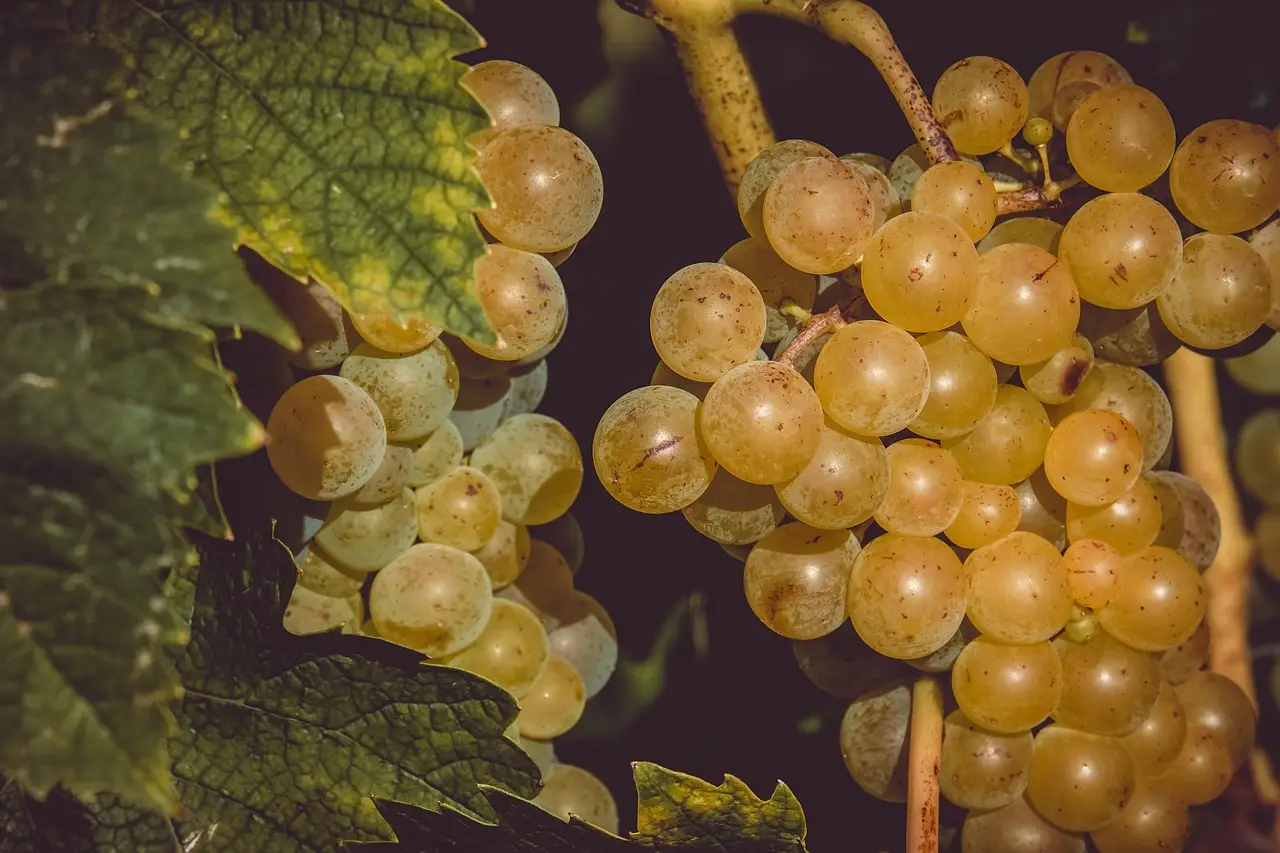
Austrian wine producer and cooperative Domäne Wachau finished its 2026 vintage with yields 30% below the average yearly take, after the hottest summer on record for the co-op and a drought the estate calls extreme heat and “barely any rain”.
The harvest ran from 2 September to 29 September, 28 days, and closed on the earliest finish date in the business’s near 90-year history.
Domäne Wachau said the grapes it did pick were “of very good quality”. The wines are “by no means alcohol bombs – rather the opposite”, it added, with moderate alcohol levels reported. Summer heat gave the fruit concentration, and a cooler September preserved freshness.
How did the growing year run?
- Winter: cool and dry, with the first signs of warmth around Easter and temperatures near 20C.
- Mid-April: budbreak.
- Late April: one day at -3C, with some frost damage.
- Summer: hottest on record for the co-op, with repeated spells of 30C and peaks of 38C.
- 2 to 29 September: harvest, finishing on the earliest date in near 90 years.
- From mid-September: bright sunny days, cool nights and occasional rain, what the estate calls “near ideal harvest conditions”.
Heat and almost no rain together drove the 30% reduction in volume, the estate said. Early ripening set the picking schedule as much as the calendar did.
Why did growers stay flexible?
Domäne Wachau said the harvest, and the early ripening triggered by summer heat, “demanded a great deal of flexibility from our growers – and once again, this is exactly where the strength of our small-scale co-op structure showed”. For a co-op that markets members’ crop as one brand, a compressed picking window tested continuity of supply.
What does a 30% crop cut mean for restaurant buyers?
A 30% fall in output is a supply story, not a quality story. For European on-trade buyers it means less of these whites on lists, and it raises the value of a producer able to sell moderate-alcohol, food-friendly wine while its fruit ripened in extreme heat.
The operative detail for operators is the September picking decision. The co-op credits canopy management with bringing “flavour and physiological ripeness forward, allowing us to pick at more moderate alcohol levels”. Lower-alcohol whites that keep fruit intact hold their place on lunch and by-the-glass lists in a way over-ripe, high-alcohol whites do not.
Did cover crops and soil work limit the damage?
Domäne Wachau credits vineyard practice with curbing water stress and preventing further yield losses. “Diverse cover crops, the use of our own biodynamic compost and the decision to work without herbicides have done a great deal for the resilience of our vineyards,” the co-op said. “Evaporation is now significantly lower, and the active microbial life in the soils has clearly improved water availability.”
Canopy management also shielded fruit from excessive sun exposure and heat, and those measures “bring flavour and physiological ripeness forward, allowing us to pick at more moderate alcohol levels”, the producer noted.
How does 2026 compare with 2018?
Domäne Wachau’s most similar year in the estate’s view was 2018, but with one decisive change: “the big difference: today, our vineyards are much better prepared for such extremes”. The practical read is that a repeat of 2018-style heat now carries less yield risk, even though 2026 volumes still fell by 30%.
What happens next?
The 2026 wines now sit in the cellar, and the next markers are release timing and pricing: whether a crop 30% below normal shows up as tighter supply and firmer bottle prices on on-trade lists, or as a value argument for the moderate-alcohol profile. Buyers should also watch whether that positioning survives into the bottle.
The co-op’s own benchmark, 2018, sets the test for resilience. Late-April frost and summer heat are now established features of its growing calendar, which makes the next harvest the first clean read on whether cover crops, own biodynamic compost and herbicide-free working hold against another hot, dry summer.
via domaene-wachau.at (Original)
More from Elena Vasquez
Show full bio
News editor covering regulation, policy and their impact on European hospitality industry at Eurotables Report.
173 articles
Other tables tonight
- Roussillon yields rise 10hl/ha in 2026, but recovery stays partialOctober 30, 2026
- Languedoc Wine Output Set for 5% Year-on-Year Rise in 2025October 10, 2026
- Champagne Houses Turn to Reserve Stocks as Harvest HalvesSeptember 29, 2026
- Three Choirs Picks Earliest Harvest in 50 Years as UK Vineyards ExpandNovember 22, 2026
- Beaujolais Nouveau 2026 seeks revival amid 60% plot yield dropsNovember 20, 2026