FRNº 12Food & Beverage Trade
Roussillon yields rise 10hl/ha in 2026, but recovery stays partial
Roussillon yields rose 10hl/ha on 2025 after 500mm-plus rainfall, but the region's interprofessional body warns volumes remain below commercially viable early-2020s levels.
· 2 min at the table
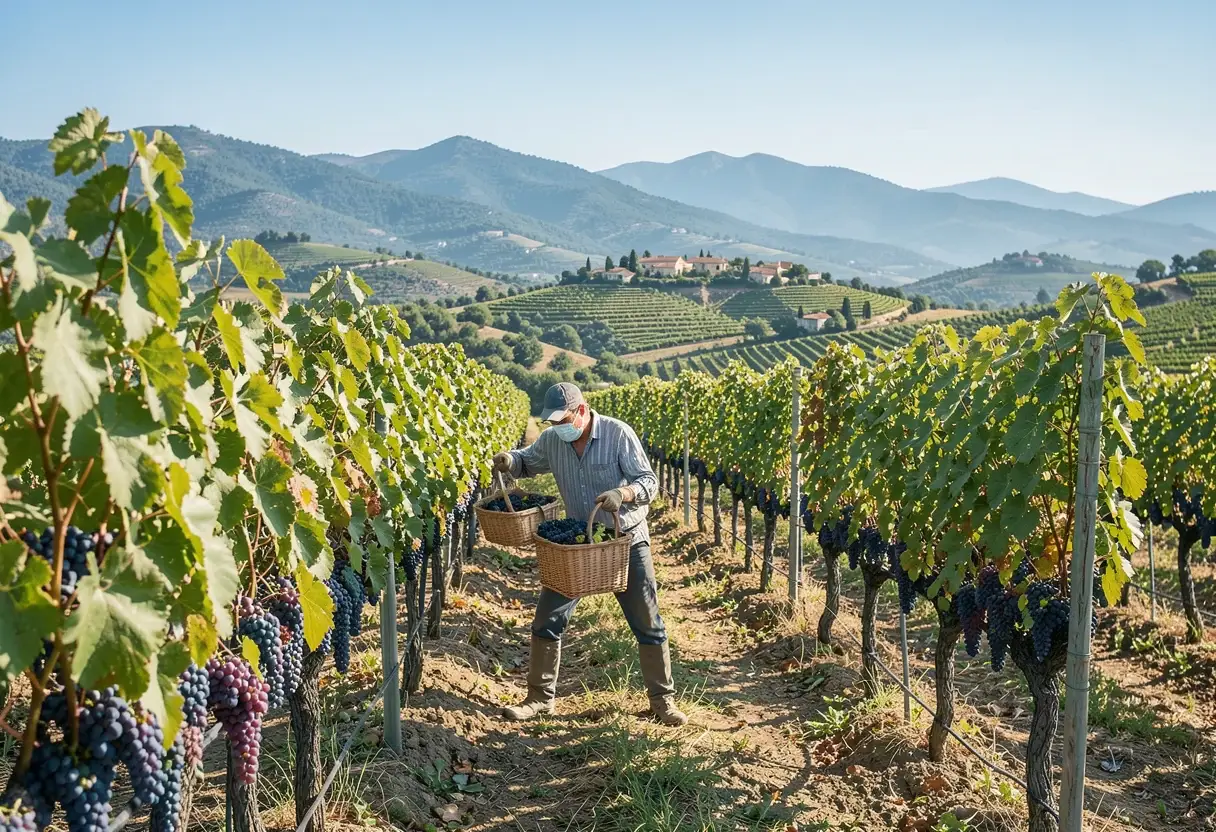
Roussillon's 2026 harvest delivered yields up 10hl/ha on 2025, the region's interprofessional body has confirmed, calling the result "an encouraging increase after the very small harvests of the past drought years". The caveat followed immediately: "a way to go still to get back to more commercially viable production levels of the early 2020s."
The recovery rests on water. Winter and spring rainfall exceeded 500mm, replenishing vineyard water reserves after several drought-hit vintages. Winemakers reported a high-quality harvest with good acidity levels, despite extreme heat during summer.
What does this change for buyers?
Volumes improve but do not return to normal. Yields remain below the commercially viable levels of the early 2020s, so supply pressure on Roussillon appellations – Muscat, Maury, Rivesaltes among the region's sweet and dry wines – persists into next year's allocations.
The calendar shifted too. The first grapes picked – traditionally Muscat à petits grains – came in on 23 July, against 5 August in 2025. Budburst arrived 15 days earlier than normal, driven by high spring temperatures. An accelerated season compresses picking windows and pushes costs for estates running harvest crews earlier in the year.
Heat, fire and late-season rain
June and July brought consecutive heatwaves, with temperatures oscillating around 40 degrees and dry conditions putting renewed pressure on agriculture. Roussillon also absorbed part of France's devastating wildfires: 5,000ha of vegetation burned in the region, including 200ha of vines.
The Tramontane wind cooled the region to around 25 degrees in late July and early August, with sparse showers, before extreme heat returned. Rainstorms from 17 and 18 August added moisture and cooler temperatures. A huge storm on 25 August rehydrated vines and fruit alike, with 15mm recorded near Aspres and nearly 50mm in the Agly valley. A final early-September heatwave ended with another rainstorm.
Most producers finished picking by mid-September. Quality was judged good, though some healthy grapes were lost to heat, forcing winemakers to sort out dried berries – a labour cost that follows every heat event.
Resilience, with conditions attached
The Interprofessional Wines of Roussillon credited adaptation, not luck. "Roussillon showed resilience in 2026," the body said. "Supported by useful breaks in the weather and the adaptation of the region's vineyards to water scarcity and extreme heat, winemakers were often able to mitigate the impact of weather conditions to produce high-quality grapes and try to maintain yields."
Note the wording: "try to maintain". The region mitigated damage; it did not escape it. Two hundred hectares of vines are gone, and yields sit below viable levels for a second consecutive comparison base.
What happens next: attention turns to 2027, when the region needs another wet winter to consolidate the recovery. Expect volume allocations for Roussillon's négociants and cooperative cellars to stay tight until yields return to early-2020s levels.
via uk.winesofroussillon.com (Original)
More from Grace Kim
Show full bio
Market editor covering companies, deals and strategy in European hospitality industry at Eurotables Report.
137 articles
Other tables tonight
- Nº 10Languedoc Wine Output Set for 5% Year-on-Year Rise in 2025NLOctober 10, 2026
- Nº 41Centre-Loire harvest opens 12 August as BIVC declares 2026 vintage "extraordinary"FROctober 13, 2026
- Nº 09Champagne Halves as French Wine Output Drops to 33.9 Million HectolitresNLOctober 10, 2026
- Nº 18Champagne Houses Turn to Reserve Stocks as Harvest HalvesFRSeptember 29, 2026
- Nº 10Languedoc harvest beats heat: CIVL reports 'freshness and balance'ITOctober 19, 2026