FRNº 18Food & Beverage Trade
Champagne Houses Turn to Reserve Stocks as Harvest Halves
France's agriculture ministry expects Champagne output to halve after frosts and heatwaves; CIVC says reserve wines will cover the gap in a vintage rated exceptional for quality.
· 2 min at the table
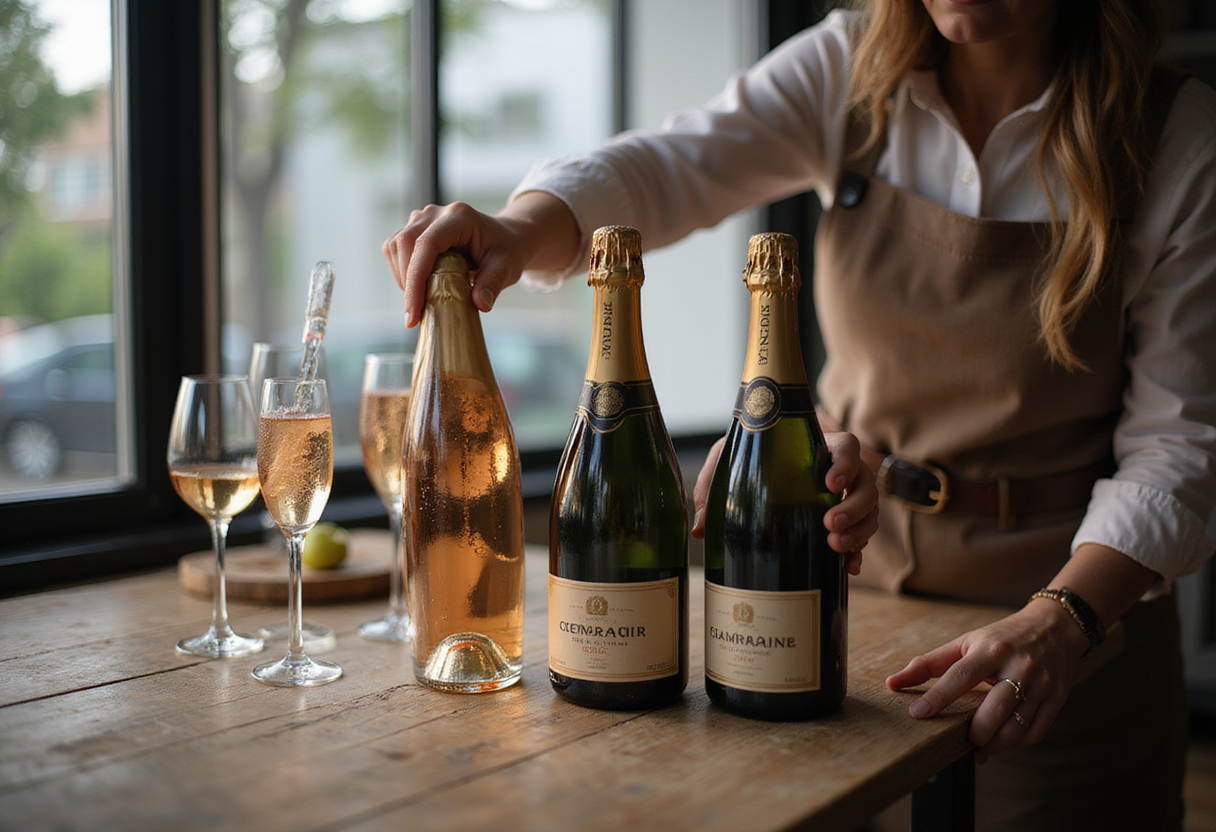
Champagne production will fall by about half this year, France's agriculture ministry said on Monday, forcing houses behind brands such as Moet & Chandon and Bollinger to draw on reserve wines to protect volumes.
Spring frosts and summer heatwaves cut the 2025 grape harvest across France, the world's second-largest wine producer. In Champagne, the extreme weather pushed picking to some of the earliest dates on record. The harvest advanced so quickly that some growers cut short summer holidays and vineyard pickers returned ahead of schedule.
"We were not quite ready," Maxime Toubart, co-president of Comite Champagne (CIVC), the industry's governing body, told reporters.
The regional shortfall has a built-in buffer. Champagne houses hold back reserve wines from stronger harvests and most Champagne is blended across several vintages, giving producers flexibility to absorb weak years. The ministry's 50% production estimate can therefore differ significantly from what houses actually bottle, because reserves smooth the gap.
Not every producer will spend the stock freely. "Some producers may prefer to keep reserve wine for future blends, or bottle a little less," Toubart said. That choice would tighten market supply at a moment when the industry is already managing weaker global demand.
The CIVC has trimmed production targets for several years as global alcohol consumption declines and economic uncertainty weighs on sales. Producers are also monitoring the potential impact of U.S. tariff policy, a risk for one of France's most export-dependent wine categories.
Quality, not quantity, is this year's upside. Growers described the 2025 wine as exceptional, helped by ripe grapes and the absence of mildew. The trade-off is high alcohol levels from the hot weather, which will complicate winemaking in the cellar.
"The fact that the quality is there makes the lackluster yield a bit easier to swallow," Sebastien Debuisson, technical director of CIVC, said.
For hospitality operators and drinks buyers across Europe, the mechanics matter. Reserve drawdowns support near-term volume availability for by-the-glass programmes and event lists, but a second consecutive weather shock would erode that cushion and pressure pricing on non-vintage cuvees. Houses that choose to bottle less now are effectively betting that scarcity supports value later.
Watch the CIVC's final yield and release figures as harvest accounting closes, along with any decision by individual houses to restrict allocations for the 2026 trade year.
via Hospitality Ireland (Source)
More from Olivia Hart
Other tables tonight
- Nº 09Champagne Halves as French Wine Output Drops to 33.9 Million HectolitresNLOctober 10, 2026
- Nº 02Champagne Harvest Starts August 12, Earliest Date on RecordESOctober 10, 2026
- Nº 10Languedoc Wine Output Set for 5% Year-on-Year Rise in 2025DEOctober 10, 2026
- Nº 01Vinarchy targets £1.4bn UK wine growth with Vintelligence planESOctober 10, 2026
- Nº 48Berkmann Wine Cellars signs Rutini Wines in UK distribution dealNLSeptember 30, 2026