Beaujolais Nouveau 2026 seeks revival amid 60% plot yield drops
The 2026 Beaujolais Nouveau vintage arrives as some plots report yields 60% below last year, despite 13.8 million bottles consumed in France last year and a continuing sales decline.
· 3 min at the table
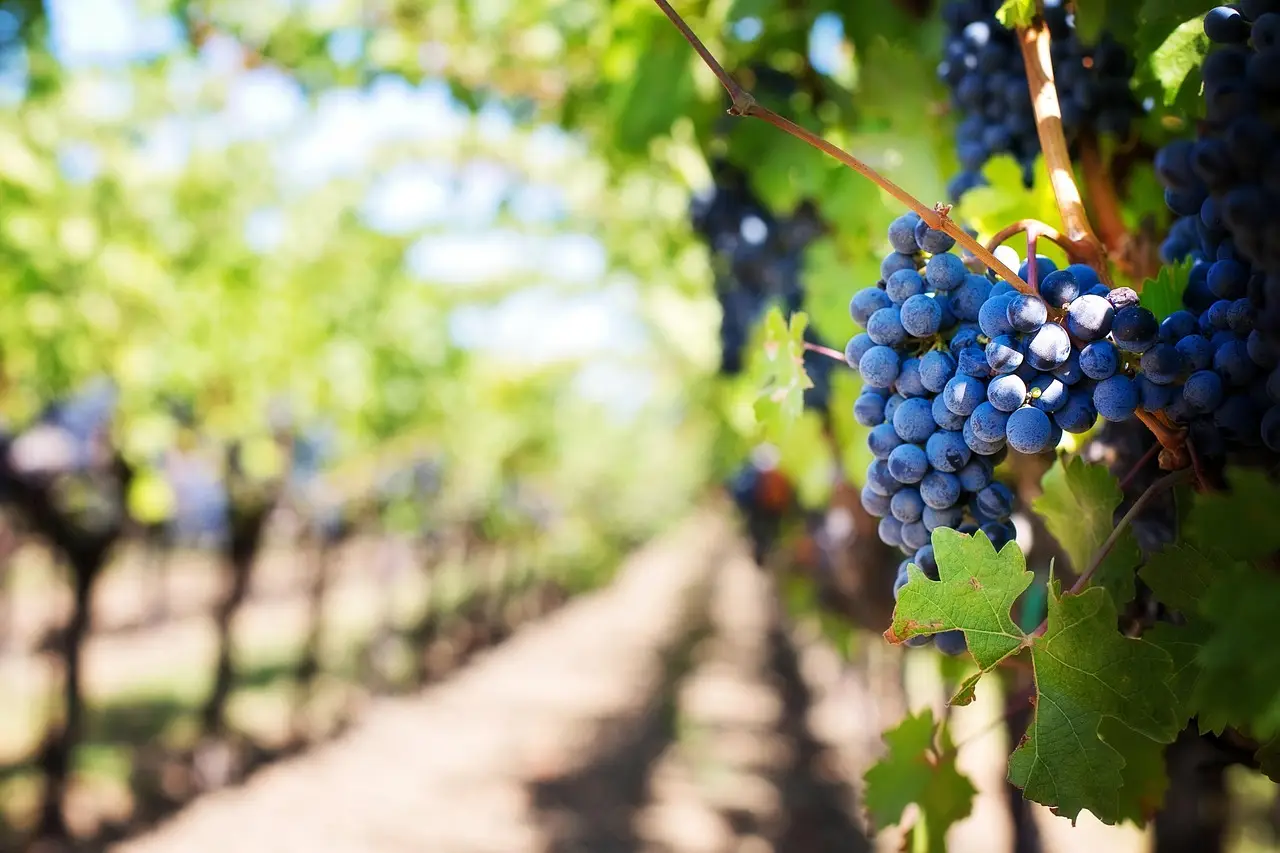
Some Beaujolais plots recorded yields 60% lower this year than last as growers marked the late-November celebration of the 2026 Beaujolais Nouveau vintage. French consumers drank 13.8 million bottles last year, while Japan and the United States are the wine’s two biggest overseas importers.
Those figures sit against a difficult market. Sales have been falling since Covid-19, and climate-related disruptions continue to weigh on harvests. The 2026 vintage’s answer is its profile: fruity, light and easy to drink.
Producers hope that freshness and lightness can revive what they describe as a sector in crisis. The commercial test is whether those traits can rebuild demand while yields remain uneven across plots.
Can the new vintage overcome the supply pressure?
Gilles Gelin, a winegrower at Domaine des Nugues, said: “It is an exceptional vintage, both because of the weather conditions and because of its roundness and indulgent character.” He added: “We are dealing with a very sunny year, which has produced wines that are very approachable, very smooth and particularly easy to drink.”
Gelin links quality directly to weather, a point made more important by the harvest disruption. His sunny-year description gives buyers an accessible message for the late-November release.
For operators, the useful part is the wine’s positioning. Approachability and easy drinking fit the food-sharing ritual around the new vintage, while low yields in some plots leave supply less predictable.
The pitch is clear, but buyers must still deal with uneven harvests.
What does the Paris celebration show for hospitality?
At Le Pied de Cochon, a well-known Paris restaurant, the 2026 wine was tasted early in the morning as part of the celebration. The venue paired it with a hearty breakfast and a glass of red wine.
Joanna Piccio, head of communications at Le Pied de Cochon, said: “It is emblematic, you have to come early in the morning and share this moment with people who love food as much as you do. It is incredible, there is a unique atmosphere. You really have to experience it to understand what it is all about.”
For operators, the example gives the vintage a defined role in service: an early, food-led occasion built around a glass of wine. It connects the producer’s light, approachable style with an early shared meal rather than a conventional evening wine service.
Le Pied de Cochon’s format creates a seasonal application for Beaujolais Nouveau, although one event cannot reverse the sector’s longer sales decline.
Why do the two largest import markets matter?
The French remain attached to Beaujolais Nouveau, and the 13.8 million bottles they drank last year establish a large home market. Japan and the United States sit beyond it as the two biggest importers, giving wine buyers and hospitality operators three markets in which to test the vintage’s renewed appeal.
The 60% yield reduction in some plots makes consistency a commercial issue for those buyers. If losses remain concentrated, availability may differ by source; if they spread, importers and restaurants will have less certainty over volume.
The sunny-year characteristics cited by Gelin may soften the consumer proposition, but they do not remove the underlying problem. Sales have continued to fall since Covid-19, and climate disruption remains a direct constraint on harvests. Export demand offers room for recovery, but supply and sales trends will determine whether that room becomes growth.
What happens next?
The late-November launch will test immediate demand for the light 2026 style, especially through early food-service occasions such as the one at Le Pied de Cochon. Evidence that the 60% yield losses are spreading would determine whether supply can support a broader recovery.
The next market signal will come from sell-through in France, Japan and the United States after the launch; any broader yield losses would limit how far growers can convert the vintage’s appeal into volume.
via euronews.com (Source)
More from Tom Whitfield
Show full bio
Senior reporter covering companies, deals and strategy in European hospitality industry at Eurotables Report.
149 articles
Other tables tonight
- Champagne Houses Turn to Reserve Stocks as Harvest HalvesSeptember 29, 2026
- Champagne Halves as French Wine Output Drops to 33.9 Million HectolitresOctober 10, 2026
- Hospices de Beaune auction offers 432 barrels after climate-hit harvestNovember 16, 2026
- Moët & Chandon hits $2.3bn as Champagne brands outclass still winesOctober 19, 2026
- Languedoc Wine Output Set for 5% Year-on-Year Rise in 2025October 10, 2026