DENº 10Food & Beverage Trade
Languedoc Wine Output Set for 5% Year-on-Year Rise in 2025
France's agriculture ministry expects Languedoc-Roussillon wine output to rise 5% YoY in 2025 after 50 days of above-average winter rainfall, per regional trade body CIVL. Vineyards held despite 40°C summer heat, though volumes stay 8% below the five-year average.
· 3 min at the table
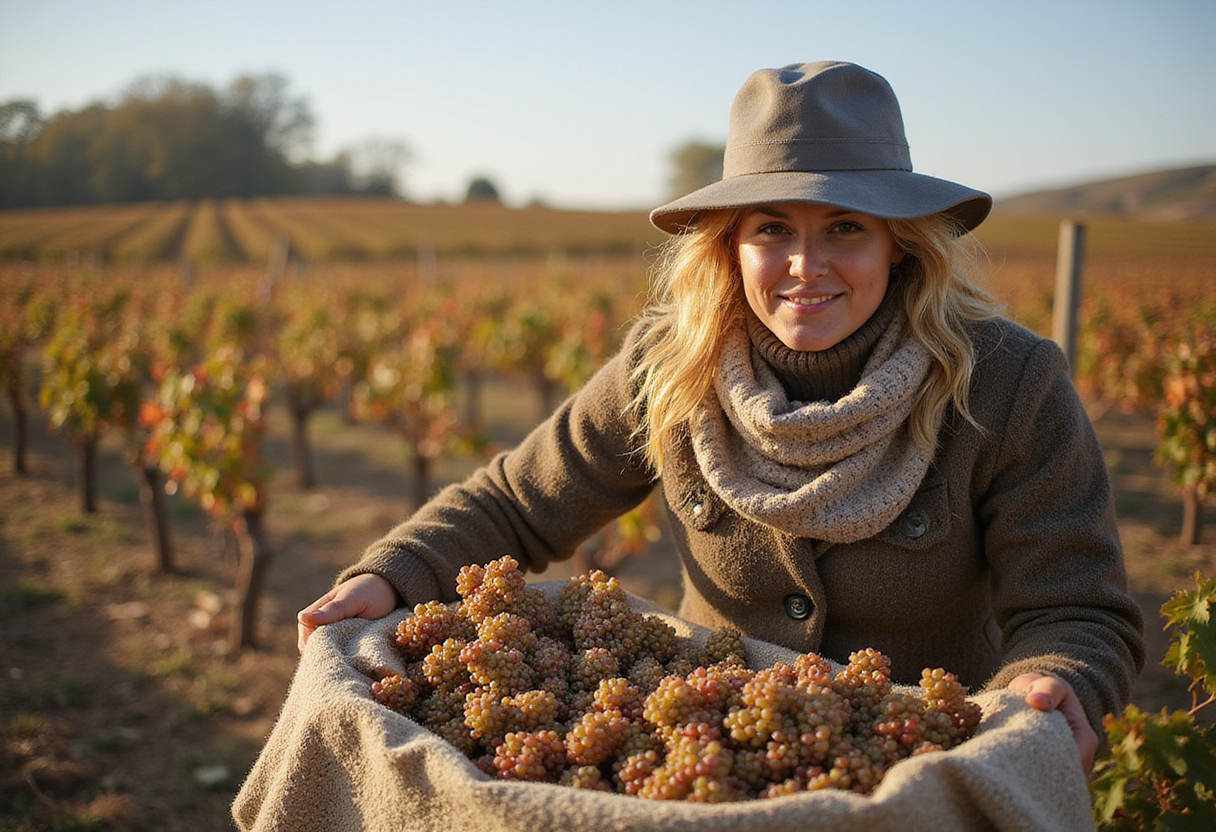
France's agriculture ministry expects Languedoc-Roussillon wine output to rise 5% year-on-year in 2025, the regional trade body CIVL confirmed during a busy August-September harvest. The projected level remains 8% below the 2021-2025 five-year average despite the uptick.
The boost follows a winter that delivered 50 days of above-average rainfall, building what CIVL described as "good resistance" to extreme summer heat. Producers faced many days above 35°C and several episodes above 40°C, yet vineyard resilience held through the season.
"Management of water resources nevertheless remains a major issue for the coming years, after several campaigns marked by water deficit," CIVL stressed, signalling that the 2025 outcome does not resolve structural concerns.
What shaped the 2025 vintage weather pattern?
A wet winter, persistent summer heat, then a late-summer storm. CIVL detailed the sequence: the preceding winter brought 50 days of above-average precipitation that recharged deep soils. Summer delivered repeated 35-40°C days across July and August, stressing younger vines. On 25 August, a storm delivered rainfall sufficient to break the drought for several appellations.
The pattern carries pricing implications. Languedoc-Roussillon accounts for roughly a third of French wine by volume, making its harvest a leading indicator for domestic supply contracts, export pricing into the UK, and on-trade negotiations across the EU.
Which appellations fared best?
Across the Gard (home to Pic-Saint-Loup), Pyrénées-Orientales (where Roussillon sits), and La Clape AOP, "the winegrowers are satisfied with the level of the harvest, even if volumes remain variable and sometimes lower than historical levels," CIVL reported.
Saint-Chinian, a dynamic inland AOP west of coastal Picpoul, began its white harvest from the start of August. Red varieties "required more patience," CIVL noted, though the late rainfall that saved Picpoul also accelerated ripening here. Strong grape health was reported across the appellation.
How did Picpoul de Pinet weather the season?
Less smoothly. "Early and severe heatwaves" stressed vines before a drought took hold, with soils becoming very dry from the end of June onwards. The 25 August storm proved decisive for the appellation — Languedoc's most recognised name among UK consumers and the channel that absorbs the majority of the region's exports.
"In a few hours, it made it possible to unblock vines that had been completely slowed by the summer drought and to restart their activity," CIVL said. "Everything then accelerated very quickly, with a harvest carried out at full speed, like a real sprint."
Among growers — in a region where 80% of vines are tended by cooperative producers — "the relief" was "profound," CIVL reported, with harvested grapes of good quality and health.
What does the data mean for operators and buyers?
A 5% volume rise eases supply concerns but the 8% shortfall to the five-year average signals continued pressure on bulk-wine and bag-in-box contracts through 2026 buying cycles. CIVL's water-resources warning points to structural risk: future vintages depend on repeat winter precipitation, not solely on late-summer rescue storms.
The UK on-trade — the dominant export channel for Picpoul and a major buyer of regional reds — will monitor the full ministerial production forecast, expected alongside France's broader wine-output figures next month, to set reference pricing for 2026 negotiations.
via languedoc-wines.com (Original)
More from Tom Whitfield
Show full bio
Senior reporter covering consumer brands and retail at Eurotables Report.
71 articles
Other tables tonight
- Nº 09Champagne Halves as French Wine Output Drops to 33.9 Million HectolitresNLOctober 10, 2026
- Nº 18Champagne Houses Turn to Reserve Stocks as Harvest HalvesFRSeptember 29, 2026
- Nº 02Champagne Harvest Starts August 12, Earliest Date on RecordESOctober 10, 2026
- Nº 42Hoteliers Warn Rising Temperatures Could Reshape European Travel PatternsESOctober 1, 2026
- Nº 43European Trends July 2026: Europe's Hotel Sector Confirms Its SummerNLOctober 9, 2026