ESNº 07Food & Beverage Trade
RaboResearch Warns European Food Prices Will Keep Climbing to 2027
RaboResearch projects European food price inflation persisting through 2027, driven by Middle East conflict, pressuring restaurant margins and procurement strategies.
· 3 min at the table
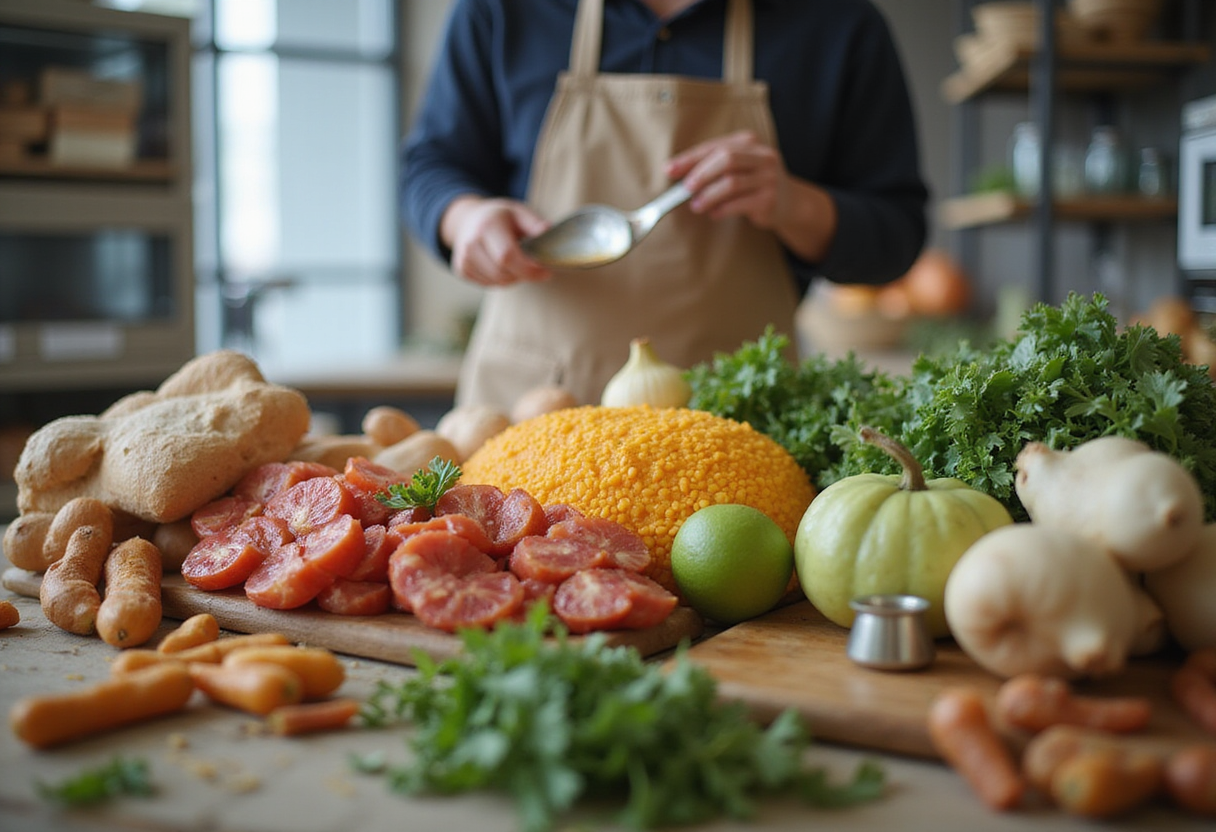
RaboResearch expects food prices in Europe to keep rising through 2027, naming the conflict in the Middle East as the core driver of a prolonged inflationary squeeze on the continent's food supply chain.
The forecast from the research arm of Rabobank lands at a delicate moment for European hospitality operators. Food cost inflation had cooled from the double-digit peaks of 2022 and 2023, and many restaurant groups had rebuilt margins on the assumption that input costs had normalised. RaboResearch now signals that relief was temporary, not structural.
For hotel F&B directors, contract caterers and independent restaurateurs, the analysis reframes budgeting for the next three financial years. Procurement teams that locked multi-year supply contracts at post-inflation prices may find those deals holding value longer than expected. Operators buying on spot markets face renewed exposure, with energy, freight and commodity inputs all sensitive to the geopolitical risk the researchers flag.
Why does the Middle East matter for European menus?
The Middle East sits on critical chokepoints for global trade in food and the inputs behind it — shipping routes, energy flows and fertiliser feedstocks. Conflict-driven disruption in the region transmits to European food costs through several channels: higher freight and insurance premiums on routed cargo, elevated energy prices that feed into processing and cold-chain costs, and volatile commodity markets reacting to every escalation.
RaboResearch's decision to project the pressure out to 2027 indicates it reads the conflict as a persistent condition rather than a passing shock. That time horizon matters for capital planning. Kitchen equipment purchases, menu engineering and pricing strategies typically assume a stable cost base within a three-to-five-year window. A forecast of sustained food inflation through 2027 argues for shorter repricing cycles and deeper supplier diversification.
What does this mean for hospitality operators?
European hospitality businesses carry food inflation differently depending on format:
- Contract caterers operating on fixed-price client agreements absorb cost spikes until renegotiation windows open, compressing margins in the interim.
- Hotel groups with F&B bundled into room rates face a harder task passing food costs through than à la carte operators.
- Quick-service chains with commodity-heavy menus feel grain, oil and protein moves fastest and most directly.
- Independent restaurants lack the hedging and purchasing scale that insulates large groups.
The 2022–2023 inflation wave gave the sector a stress test. Operators that survived it did so through menu price increases, portion recalibration, SKU rationalisation and supplier consolidation. RaboResearch's outlook suggests those disciplines need to become permanent rather than cyclical.
Consumer tolerance is the constraint. European households have already absorbed two years of menu price hikes, and traffic data across several markets shows diners trading down or visiting less often. A further inflation leg through 2027 forces a choice between margin defence and volume protection that few operators can fully resolve with pricing alone.
What happens next?
RaboResearch, as the food and agribusiness research division of Rabobank, carries weight with lenders and investors across the European food chain. Its 2027 horizon will inform how banks stress-test hospitality loan books and how private equity underwrites restaurant and hotel F&B projections over the coming funding cycles.
Operators should expect the forecast to ripple into supplier negotiations within months, as food manufacturers cite the outlook to justify forward price increases. Watch for RaboResearch's fuller quarterly food price updates, escalation events in the Middle East, and the next round of European commodity and freight data to test whether the 2027 projection holds or tightens further.
via Google News: restaurant industry Europe (Source)
More from Elena Vasquez
Show full bio
News editor covering marketplaces and e-commerce at Eurotables Report.
91 articles
Other tables tonight
- Nº 28Imagine Foodservice Europe brings restaurant debate to BarcelonaDEOctober 10, 2026
- Nº 04Europe named QSR menu innovation hub by Restaurant BusinessFROctober 10, 2026
- Nº 40Europe overtakes rivals as top destination for hospitality capitalFROctober 10, 2026
- Nº 05European poultry sector calls for food security to be treated as securityDEOctober 10, 2026
- Nº 46Sofia Restaurant Prices Up 110% in Ten Years, Near Central EuropeESOctober 10, 2026