NLNº 09Food & Beverage Trade
Champagne Halves as French Wine Output Drops to 33.9 Million Hectolitres
French wine output will fall to 33.9 million hectolitres in 2026, one of the lowest figures in 30 years, with Champagne down 49% as drought and US tariffs pressure Europe's largest wine exporter by value.
· 2 min at the table
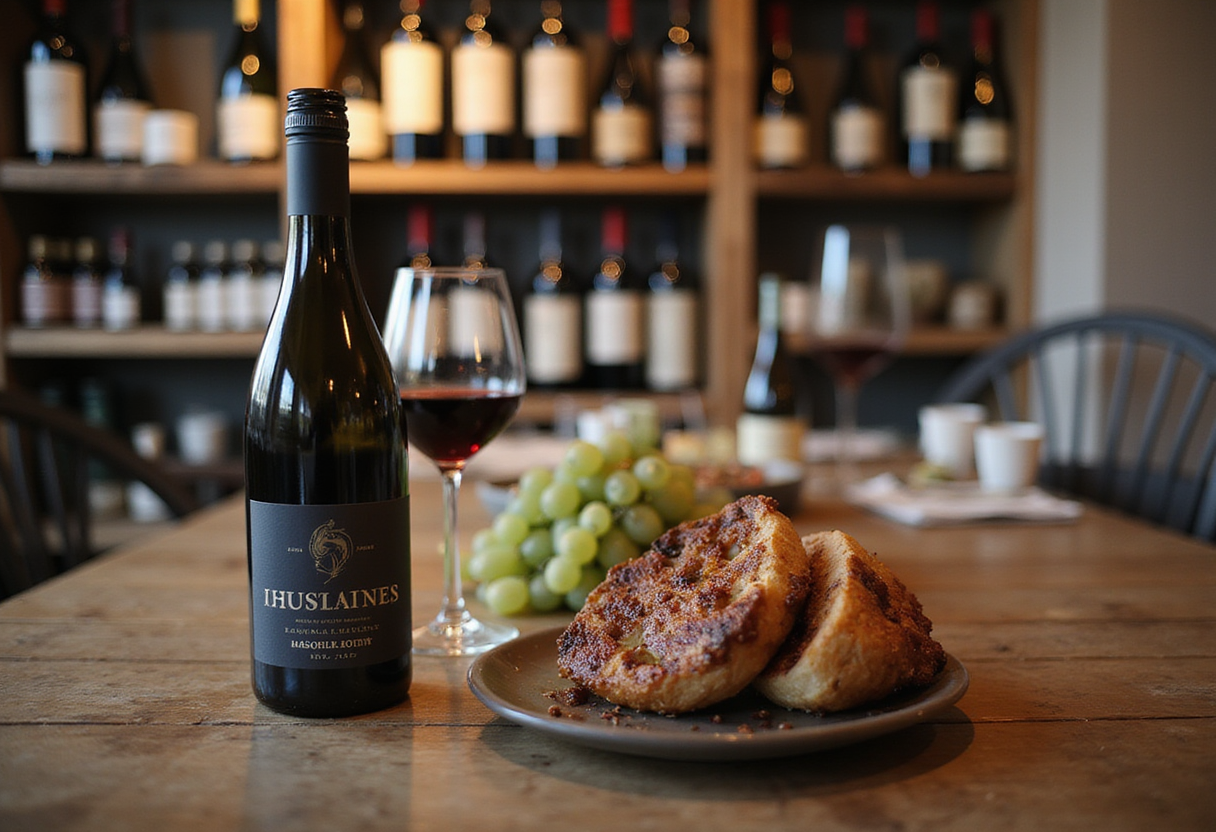
The French farm ministry projected 2026 wine output at 33.9 million hectolitres on Monday, equivalent to 4.5 billion standard bottles and one of the lowest figures in nearly three decades, with Champagne production set to halve after summer drought and heatwaves damaged vines across western Europe.
The forecast sits 6% below 2025 and 17% below the 2021-2025 five-year average, extending a three-year contraction that began with weak harvests in 2024 and 2025. France holds its position as the world's second-largest wine producer behind Italy and the largest exporter by value.
How deep are the regional cuts?
Champagne faces the steepest contraction. Output there is expected to fall 49% versus 2025 and 47% below the five-year average, according to ministry data. Bourgogne-Beaujolais volumes are forecast down roughly a third. Val de Loire and Charentes are projected at 12% and 6% below last year respectively.
Two regions defied the trend. Languedoc-Roussillon, France's largest producer by volume, is expected to rise 5% from a weak 2025 as yields recovered. Bordeaux is set to rebound 10% after late-August rainfall eased drought stress, though output remains well below its five-year average.
Most producers began harvesting unusually early, the ministry said, as growers raced to salvage fruit from vineyards exposed to record summer heat.
What is driving the contraction?
The ministry attributed the decline to favourable early-season conditions followed by drought and heatwaves that damaged vines and reduced yields. France recorded its hottest summer on record in 2026. Scientists tracking European climate trends have identified the continent as the fastest-warming globally, with extreme weather events growing more intense and more frequent.
The structural backdrop is also deteriorating. Domestic wine consumption has fallen to its lowest level in more than 60 years, the ministry noted, as economic pressure, shifting consumer preferences and health concerns deterred drinkers — particularly among younger cohorts. The production area shrank 2.5% versus 2025 as winemakers uprooted vineyards to address oversupply.
The industry faces added pressure from US import duties imposed last year, which have constrained one of France's largest export markets.
What government support is on the table?
The French government announced an emergency aid package exceeding €1 billion on Friday, framed for farmers hit by the summer's record heat and drought. The package covers French agriculture broadly rather than the wine sector specifically.
What happens next?
The ministry's November update will reconcile early-harvest data with actual yields and tighten regional projections. Champagne houses face critical pricing decisions as their smallest base in years meets demand uncertainty from US tariffs. Continued vineyard uprooting signals that structural oversupply remains a more durable industry problem than the 2026 weather shock.
via Hospitality Ireland (Source)
More from Elena Vasquez
Show full bio
News editor covering marketplaces and e-commerce at Eurotables Report.
91 articles
Other tables tonight
- Nº 18Champagne Houses Turn to Reserve Stocks as Harvest HalvesFRSeptember 29, 2026
- Nº 10Languedoc Wine Output Set for 5% Year-on-Year Rise in 2025DEOctober 10, 2026
- Nº 02Champagne Harvest Starts August 12, Earliest Date on RecordESOctober 10, 2026
- Nº 29Europe Hotel Pipeline Hits 1,736 Projects in LE DataFROctober 10, 2026
- Nº 10Vine Hill Ranch tops 'Judgement of Singapore' as Burgundy sweeps whitesDEOctober 10, 2026