ITNº 06EU Policy & Regulation
Cyprus cafés face new 'bring your own cup' rules
Cyprus is set to impose new 'bring your own cup' rules on cafés, forcing operators to accept customer-supplied cups and adapt hygiene, liability and service protocols.
· 2 min at the table
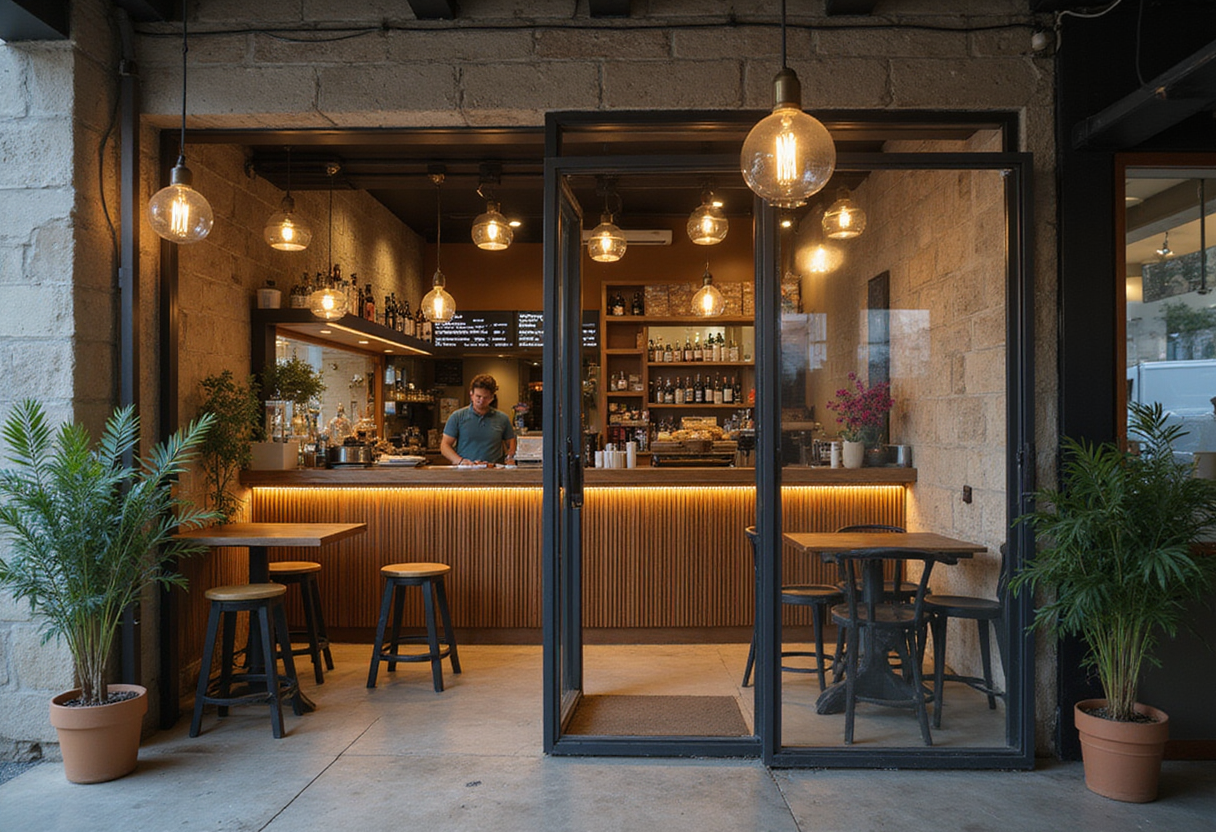
Cyprus is preparing new rules that would require cafés to accept cups brought in by customers, a measure aimed directly at the single-use packaging waste generated by the country's coffee sector.
The plan, reported by the Cyprus Mail under the headline "Cyprus' cafes to face new 'bring your own cup' rules", signals a regulatory step change for one of the most consumer-facing segments of the Cypriot hospitality market. Coffee shops, bakery-café chains and hotel lobby bars would all fall within the scope of acceptance obligations once the rules take effect.
What does the change mean for operators?
For operators, the core practical consequence is operational rather than conceptual. Baristas would have to fill vessels they do not control, which raises questions most coffee businesses across Europe already know well:
- Hygiene protocols for customer-supplied cups
- Liability if a contaminated or damaged vessel causes illness or injury
- Serving-speed impact at peak hours
- Pricing incentives, such as discounts, to encourage uptake
These are the same friction points that surfaced in other EU jurisdictions when reusable-cup schemes were introduced. Cypriot operators will now have to budget for training and possibly revised service layouts.
Why does this matter now?
The Cypriot move sits inside a broader European regulatory current. EU-level action on packaging waste has pushed member states toward reuse targets and single-use restrictions, and food-service has become the visible frontline of that policy. A national-level "bring your own cup" obligation for cafés is a logical next step for a member state aligning with that direction.
For investors and multi-site operators, the signal is straightforward: packaging compliance is becoming a standard line item in café P&Ls, not an optional sustainability gesture. Chains with central procurement will find it easier to absorb than independents, which typically lack the margin headroom for new equipment and staff instruction.
Who carries the cost?
The cost profile will differ sharply by format. A high-volume urban coffee bar handling hundreds of takeaway cups per day faces a different calculus from a seasonal beachfront café. Independents, which make up a large share of Cyprus's café estate, will watch implementation details closely — enforcement approach, inspection frequency and any grace period will determine how heavy the burden feels.
Industry associations representing the Cypriot food-service sector are expected to seek clarity on hygiene guidance and cost-sharing before the rules bite, mirroring negotiations that played out elsewhere in the EU.
What happens next?
Operators should track the publication of the final text and its effective date, along with any implementing guidance on hygiene and liability. Watch for reactions from Cypriot hospitality associations and for the first enforcement precedents, which will set the practical standard the rest of the sector follows.
via Google News: EU hospitality regulation (Source)
More from Tom Whitfield
Show full bio
Senior reporter covering consumer brands and retail at Eurotables Report.
71 articles
Other tables tonight
- Nº 02Cyprus hotel-Airbnb licensing chaos sparks industry reform callsNLOctober 10, 2026
- Nº 33Supermarkets and hospitality warn of price rises from EU packaging rulesESOctober 10, 2026
- Nº 24EU-UK trade deal signals possible EU worker boost for hospitalityESOctober 3, 2026
- Nº 17EU Packaging Law Enters Force, Redrawing Hotel and Restaurant Procurement Through 2030ITOctober 10, 2026
- Nº 48EU Packaging Rules Rewrite Compliance Calculus for Hotels and RestaurantsDEOctober 3, 2026