ITNº 34EU Policy & Regulation
EU greenwashing crackdown puts Lapland tourism marketing under scrutiny
Lapland's tourism marketing faces scrutiny as the EU tightens greenwashing rules, with bans on generic environmental claims applying from September 2026.
· 2 min at the table
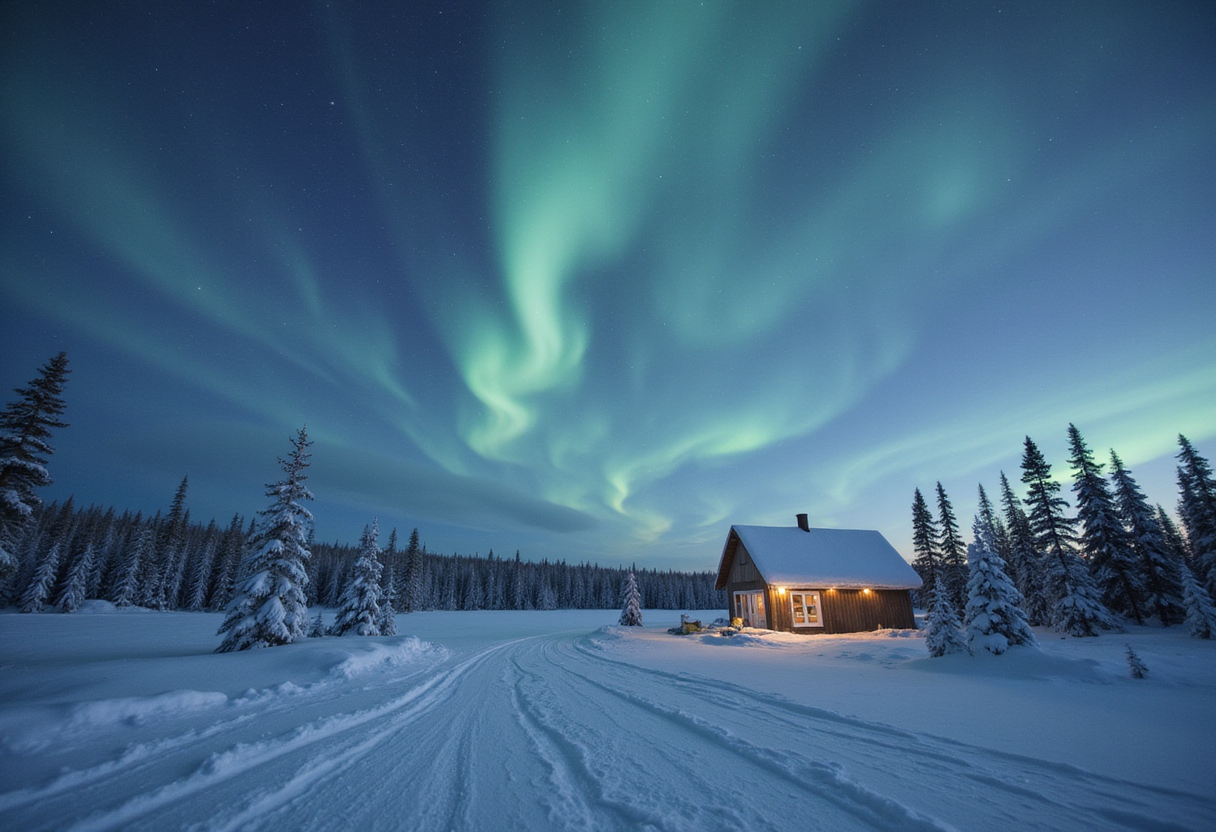
Lapland's tourism marketing has come under scrutiny as the European Union tightens its rules on greenwashing, Finnish broadcaster Yle reports. The finding lands on an industry that sells itself heavily on pristine nature, untouched wilderness and low-impact travel — claims that operators will soon have to substantiate or withdraw.
The report signals that Finland's most internationally marketed tourism destination is exposed on exactly the dimension it promotes hardest. Lapland's brand for international visitors rests on clean air, snow reliability and nature-based experiences, and that positioning now sits directly in the path of EU rules designed to stop environmental claims that cannot be verified.
Why does this matter for European operators?
EU legislators have moved against vague environmental marketing. Under the Empowering Consumers for the Green Transition Directive, generic claims such as "environmentally friendly", "climate neutral" and "green" will be banned in the EU from 27 September 2026 unless businesses can back them with recognised proof. Sustainability labels will also need to rest on certified schemes.
That regulatory direction puts every destination marketing organisation, hotel group and tour operator that trades on natural imagery in a compliance conversation. Lapland illustrates the exposure: when a whole region's appeal is built on environmental purity, the claims embedded in brochures, websites and trade-fair materials become regulatory material, not just advertising copy.
What does the scrutiny involve?
According to Yle, marketing used to promote Lapland to tourists is being examined against the tightened EU standards on unsubstantiated environmental claims. The scrutiny covers the language and imagery through which the region is sold to travellers.
For hospitality businesses in the region — hotels, safari operators, activity providers and the destination management companies that package them — the practical risk is twofold. First, existing marketing collateral may need revision if claims cannot be evidenced. Second, national authorities gain stronger enforcement tools, with penalties for misleading environmental claims, once the directive's provisions take effect in member states.
How should businesses respond?
Operators across Europe marketing nature-based products face the same checklist:
- Audit every environmental claim in current campaigns, websites and printed materials.
- Distinguish verified facts (certifications, measured emissions) from impressionistic language.
- Replace generic terms such as "eco-friendly" or "sustainable" with specific, substantiated statements.
- Prepare documentation before regulators or competitors challenge the claim.
Lapland's case shows the pressure concentrates on destinations whose core product is the environment itself. Snow-dependent businesses already carry climate-transition risk; marketing risk now compounds it.
What happens next?
Member states must transpose the EU directive into national law by 27 September 2026, after which enforcement against unsubstantiated green claims begins in earnest. Operators marketing Lapland and comparable nature-based destinations across Europe should expect marketing revisions well ahead of that deadline, and further scrutiny of environmental claims as national authorities build out their enforcement practice.
via Google News: EU hospitality regulation (Source)
More from Olivia Hart
Other tables tonight
- Nº 25EU Greenwashing Ban Takes Effect 27 September 2026ESOctober 10, 2026
- Nº 47EU Greenwashing Ban Bites Sept 27: Sri Lanka Expert Warns Tourism SectorFROctober 10, 2026
- Nº 34EU Anti-Greenwashing Directive: Hospitality Compliance by October 2026FROctober 10, 2026
- Nº 23Guardian verdict finds tourist tax fears unsupported by evidenceNLOctober 10, 2026
- Nº 15EU moves to bind hotels to new sustainability compliance regimeNLOctober 10, 2026