DENº 48EU Policy & Regulation
EU Packaging Rules Rewrite Compliance Calculus for Hotels and Restaurants
The EU's new packaging regime replaces the 1994 directive with one directly applicable regulation, cutting across hotel minibars, takeaway formats and reuse obligations.
· 3 min at the table
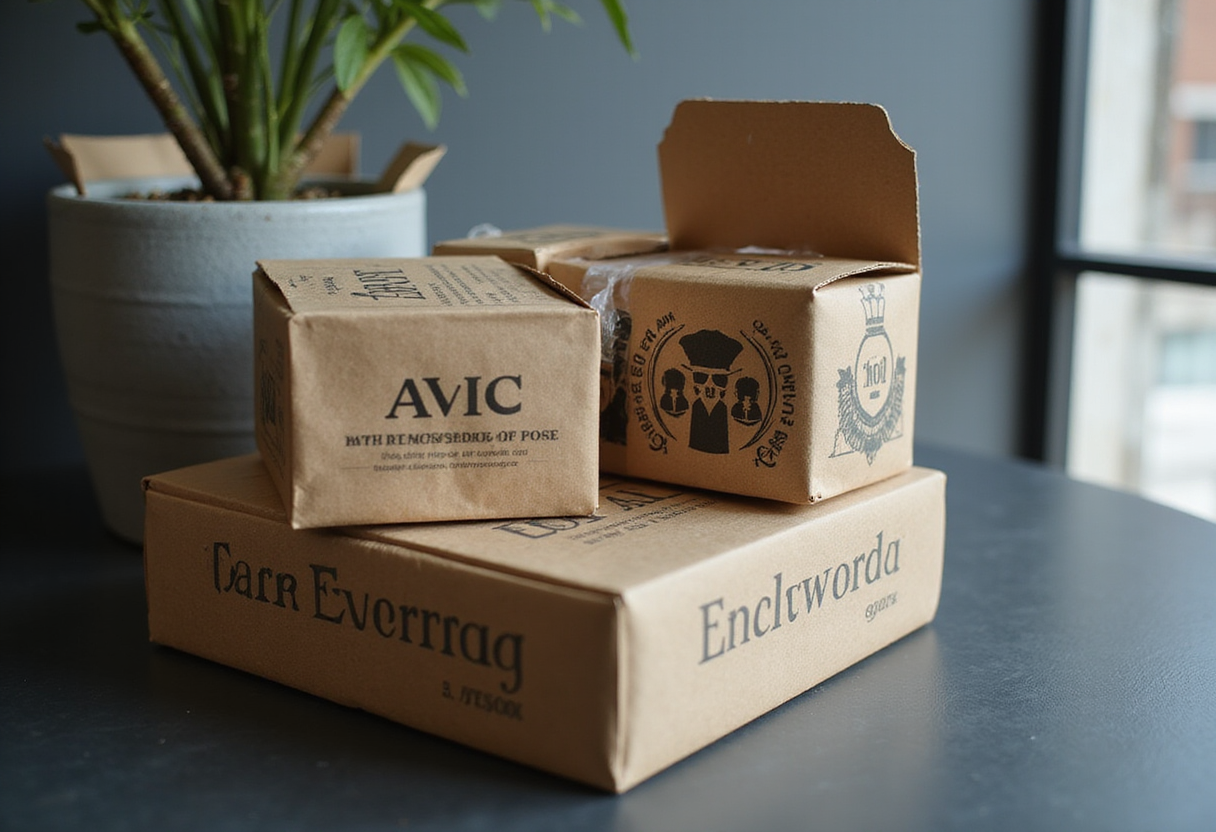
The European Union has overhauled its packaging rulebook, and the changes reach directly into hotel minibars, takeaway counters and restaurant supply chains. The new packaging regime replaces the 1994 Packaging Directive with a directly applicable regulation, removing the national transposition gaps that previously let member states interpret obligations differently. For multi-site hospitality groups operating across borders, one legal framework now governs every unit of packaging they place on the EU market.
The regulatory shift targets every stage of the packaging lifecycle. Brussels wants packaging volumes cut at the source, reuse systems scaled up, recyclability guaranteed by design, and consumers given clearer information at the point of sale. Businesses that produce, fill or sell packaged goods — including food service operators and their suppliers — fall within scope.
For hospitality businesses, the practical exposure sits in three areas. First, restrictions on certain packaging formats and materials will tighten procurement choices for single-use items used in room service, events catering and delivery. Second, reuse and refill obligations push operators toward cup, container and tableware systems that can survive multiple cycles without breaching food safety rules. Third, labelling requirements on separate collection will change how packaging is marked, which affects branded items ordered by hotel and restaurant chains.
The consumer-facing dimension matters for operators. The rules aim to make what is recyclable, reusable or compostable obvious to the guest at the moment of use. That pushes marketing and operations teams to align: claims on menus, delivery platforms and in-room materials must match the physical packaging. Operators running sustainability messaging without auditing their packaging portfolio now face a compliance mismatch.
Cost implications run in both directions. Short-term, operators face higher unit costs for compliant formats, investment in wash and return infrastructure for reuse schemes, and menu or packaging redesign. Longer term, the EU's wager is that reduced material volumes and standardised formats lower input costs across the sector. Suppliers of disposable tableware, miniature amenities and delivery packaging are already reworking catalogues, and purchasing teams should expect contract renegotiations as formats change.
The hospitality supply chain carries part of the burden. Distributors must verify that what they sell into hotels and restaurants meets the new design and information rules. Extended producer responsibility fees, which many operators pay through packaging-embedded pricing, are set to reward recyclable and reusable formats with lower charges. That creates a measurable procurement lever: packaging choices will show up in cost of goods rather than only in ESG reporting.
Timing is the operational question. The regulation phases in, with obligations staggered across coming years so that businesses can adjust formats, contracts and logistics. Operators should now audit packaging SKUs across all outlets, map which items face format restrictions or reuse targets, and renegotiate supplier terms accordingly. Chains with central procurement are better placed than independents, who will rely on distributors to carry compliant ranges.
Competition authorities and sector associations across the accommodation and food service industries have flagged the transition as a cost pressure point during a period of tight margins. The burden falls hardest on small operators and on businesses heavily exposed to takeaway and delivery, where packaging intensity per euro of revenue is highest.
What happens next is a schedule of implementation deadlines, secondary acts and national enforcement build-out. Operators should track the phase-in dates relevant to their formats, watch for Commission guidance on reuse targets for the hospitality sector, and expect further filings from industry associations seeking adjustments to thresholds. The operators that move early — auditing packaging lines and locking compliant supply contracts — will convert a regulatory cost into a procurement advantage.
via Google News: EU hospitality regulation (Source)
More from Priya Raman
Show full bio
Staff writer covering consumer brands and retail at Eurotables Report.
77 articles
Other tables tonight
- Nº 33Supermarkets and hospitality warn of price rises from EU packaging rulesESOctober 10, 2026
- Nº 17EU Packaging Law Enters Force, Redrawing Hotel and Restaurant Procurement Through 2030ITOctober 10, 2026
- Nº 41EU packaging guidelines leave food industry concerns unresolvedFRSeptember 29, 2026
- Nº 11Croatian Cafés, Restaurants, Hotels Face New EU Packaging Rules from AugustFROctober 10, 2026
- Nº 10Italy's New Packaging Decree Takes Effect: Rules and Penalties ApplyFROctober 10, 2026