FRNº 46EU Policy & Regulation
WSTA urges chancellor to halt alcohol duty rise ahead of Autumn Budget
The WSTA wants the Autumn Budget to scrap a 2.9% RPI-linked duty rise, citing a 49% tax jump on red wine since 2023 and a 15% fall in spirits volumes.
· 2 min at the table
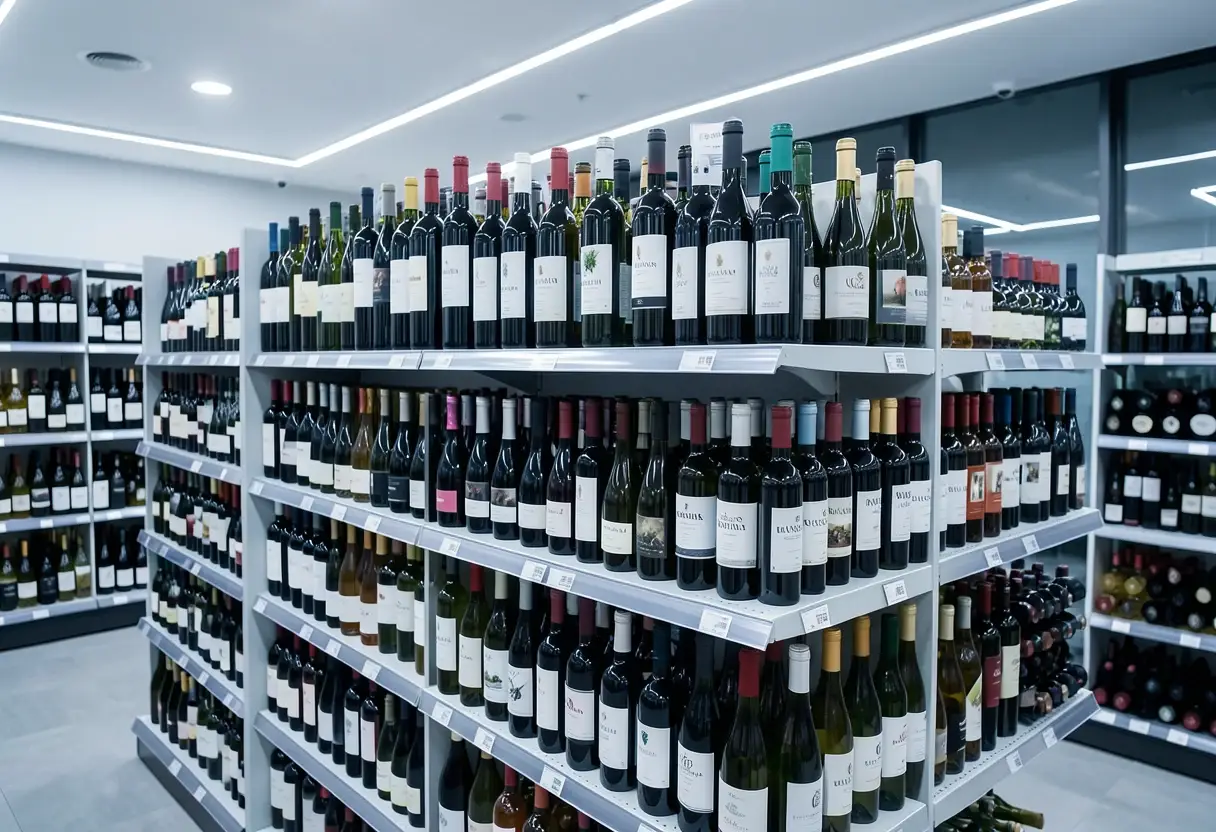
Duty on a 14.5% abv red wine has risen 49% since the UK's alcohol tax overhaul in 2023, and the Wine and Spirit Trade Association (WSTA) now wants the chancellor to block another increase at the Autumn Budget.
The trade body expects the government to raise alcohol duty in line with RPI inflation of 2.9%. It argues the UK already runs one of the highest alcohol taxation regimes in Europe, and that the evidence since 2023 points the other way.
The numbers behind the argument are stark. Since the duty changes introduced by the then Conservative government in 2023, UK alcohol volume sales have fallen 8% overall. Wine is down 15% by volume, and spirits have fallen 15% as well.
What does the tax record show?
The WSTA said in its submission that "recent history has shown that cutting or freezing excise duty instead can reverse these trends and lead to increased sales, decreased costs for consumers and more revenue to the exchequer."
That claim carries a caveat the Treasury will test. The exchequer benefit of freezes depends on how quickly volumes recover, and the WSTA has not published a revenue model alongside the statement. What is not in dispute is the sales direction: volumes have contracted on the sector's own figures.
'Double the EU average'
WSTA chief executive Miles Beale called it "an astonishing fact" that UK consumers' alcohol tax burden is double the EU average.
He said: "The chancellor cannot control global fuel prices, but he can put the brakes on relentless and punishing alcohol tax increases, which have consistently failed to raise revenue. He needs to change the record – because it's broken."
Beale directed his criticism at both parties. "Labour should not be continuing a failing tax regime that was designed and started by a Conservative government," he said. "Wine and spirit producers and retailers across the country are struggling to absorb the hefty duty increases and consumers can't afford them. Another tax rise will simply mean that more businesses will fold."
What does this change for operators?
For pubs, restaurants and retailers, the immediate question is pricing power. If duty rises 2.9% in line with RPI, operators already absorbing two years of increases face a choice between further price rises into falling volumes or thinner margins. The WSTA's core claim is that this trade-off has already failed once: higher rates, lower volumes, no net revenue gain.
The association closed its intervention with a direct appeal: "The WSTA continues to call for government to recognise the immense pressure consumers, businesses, pubs and restaurants are under and put a stop to the tax raids."
The chancellor's Autumn Budget statement will settle the question. Operators should watch the duty uprating decision and any accompanying Treasury revenue assessment; a freeze would test the WSTA's sales-recovery thesis in the following quarters' volume data.
via commons.wikimedia.org (Original)
More from Grace Kim
Show full bio
Market editor covering companies, deals and strategy in European hospitality industry at Eurotables Report.
137 articles
Other tables tonight
- Nº 04Business rates threshold lifted to £18,000 in Autumn BudgetESOctober 30, 2026
- Nº 27Alcohol duty up 4.55% in Autumn Budget as rates relief splits tradeITOctober 30, 2026
- Nº 1580% of UK hospitality operators say cost rises block investmentESOctober 30, 2026
- Nº 15Heineken warns venues on weight-loss drugs as UK budget leaves hospitality rates burdenNLOctober 30, 2026
- Nº 48The Times Puts Hospitality VAT Cut Back on the UK Policy AgendaESOctober 10, 2026