NLNº 15Restaurants & Dining
Heineken warns venues on weight-loss drugs as UK budget leaves hospitality rates burden
Heineken has warned UK venues that weight-loss drugs could cut drinks sales, while Healey's budget leaves hospitality paying 82p in tax per pound earned.
· 4 min at the table
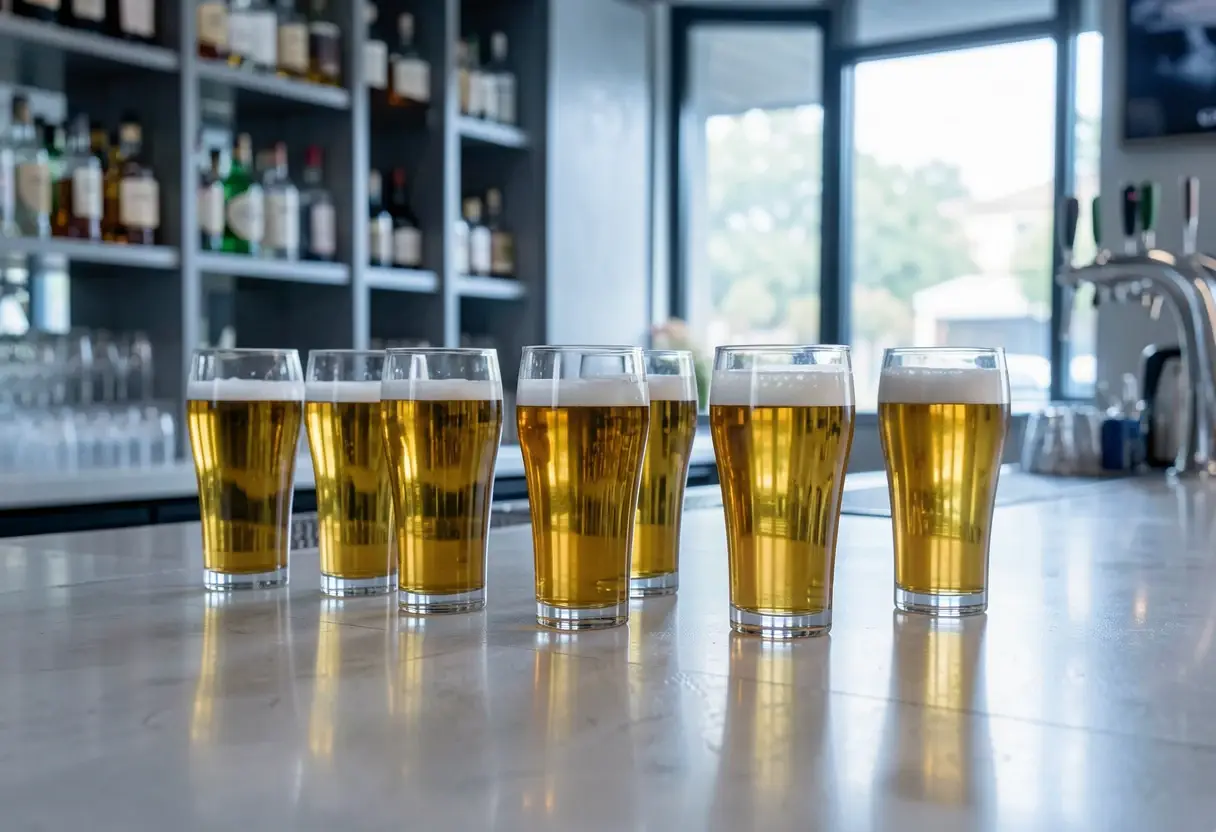
Heineken has told UK pub, bar and restaurant operators that weight-loss drugs could cut alcohol sales and advised them to stock more low- and no-alcohol products. Reuters obtained a document from the world's second largest brewer warning that people using GLP-1 drugs such as Ozempic and Wegovy often feel fuller sooner, reducing their desire to consume multiple drinks in one visit. Heineken advised venues to promote half pints or other smaller servings, alongside no- and low-alcohol options, or risk losing custom. Bundling drinks with food offers is another tactic it advocates. Heineken confirmed to Reuters it has seen some changes in how GLP-1 users consume its products and said it will keep monitoring.
What did the budget change for hospitality?
Chancellor John Healey's maiden budget, delivered before Halloween, avoided spooking the markets but offered business and civil society groups little structural reform. UKHospitality called the new measures to freeze, reduce or remove business rates across England "important", but noted hospitality still pays 82p in business taxes for every pound it makes — the highest ratio in the economy. Chief executive Allen Simpson urged the government to move further and faster in helping the sector unlock investment, jobs and growth. Big spending decisions were deferred to next autumn's spending review.
Cost pressures sharpened elsewhere. A further 3.9% rise in the national minimum wage and national living wage will squeeze margins short-term, and the Office for Budget Responsibility expects winter energy price rises to fuel higher inflation, including in food prices.
What does it mean for food and farming?
The National Farmers Union called the budget a missed opportunity to give substance to ministers' line that "food security is national security". President Tom Bradshaw criticised the failure to "link domestic food production to food-price inflation". He welcomed a six-month extension to the 3.7p duty cut on red diesel but noted it is dwarfed by the 65% hike in farmers' fuel prices against a year ago.
Farming and horticulture will miss out on the British industrial competitiveness scheme, which from April exempts more than 10,000 energy-intensive manufacturers from indirect costs of the renewables obligation, feed-in tariffs and capacity market schemes — a 25% electricity discount. NFU chief economist Jack Watts said that "leaves our food supply exposed to higher energy costs twice over: first through squeezed production margins, and then through the pressure those costs place on food prices".
The main anti-inflation food measure was a round of tariff cuts on imports including garlic, baked beans and plant-based beverages. The inclusion of boiled sweets, toffees and chocolate-coated waffles drew criticism from the alliance Sustain. "Tariff policy should make healthy and sustainable food more affordable, not make sweets cheaper," said policy director Glen Tarman. The RSPB accused the government of sidelining nature investment; WWF said "more ambition is needed to deliver a fair energy transition".
Buried in the policy paper, HM Treasury signalled a new ring-fenced spending category, "preventative departmental expenditure limits" (PDEL), from the 2027 spending review. Demos director of policy Jess Sargent called PDEL "one of the most significant reforms to the way public spending is managed in a generation", potentially protecting funding for obesity prevention.
What else is moving in food policy?
- COP17 biodiversity talks, concluding Friday in Armenia, heard ministers from Sierra Leone, Brazil, Norway, Italy, Cambodia and Vietnam — the Alliance for Champions for Food Systems Transformation — call for investment in agroecology, sustainable fisheries, agroforestry and landscape restoration. More than half of the Kunming-Montreal framework's 23 targets depend on food systems. "Agreeing targets is the easy part. Implementation is where the real work begins," said Sierra Leone's environment minister Jiwoh Abdulai.
- Meat reduction: Eating Better's survey, run with RSPCA and Four Paws UK using YouGov data, found 24% of UK adults reduced meat consumption in the past year versus 5% who increased it. Some 54% eat meat fewer than five times a week; 67% eat white meat multiple times weekly versus 32% for red meat. Over half (54%) would cut further, with animal welfare the key motivator.
- Farm funding gap: The Wildlife Trusts identified a £2bn-plus shortfall in England's Environmental Land Management Schemes, needing £3.8bn for climate resilience against a £1.65bn budget. The latest Sustainable Farming Incentive round was hugely oversubscribed, locking out thousands of farmers. "Without action, the system we all rely upon could collapse," said agriculture lead Vicki Hird.
How are brands responding?
Domino's published its first nutrition report. CEO Nicola Frampton conceded nutrition is "probably not the first thing you think of when it comes to Domino's". The strategy, led by the chain's first full-time nutritionist Sophie Rose, includes reformulation and more vegetable dishes — its Loaded Veg sides each contain two of the recommended five-a-day. In July the Advertising Standards Authority upheld a complaint that ads for the Cheeky Little Pizza breached HFSS rules by showing a sausage and bacon pizza.
Heineken's GLP-1 warning and the PDEL framework land before the autumn 2025 spending review, where hospitality will press again on rates reform.
via lnkd.in (Original)
More from Tom Whitfield
Show full bio
Senior reporter covering companies, deals and strategy in European hospitality industry at Eurotables Report.
128 articles
Other tables tonight
- Nº 07Heineken Warns UK Pubs: Adapt to GLP-1 Drugs or Lose Beer RevenueDEOctober 30, 2026
- Nº 04Business rates threshold lifted to £18,000 in Autumn BudgetESOctober 30, 2026
- Nº 27Alcohol duty up 4.55% in Autumn Budget as rates relief splits tradeITOctober 30, 2026
- Nº 1580% of UK hospitality operators say cost rises block investmentESOctober 30, 2026
- Nº 32UK government responds to hospitality VAT cut lobbyingESOctober 10, 2026