ESNº 19EU Policy & Regulation
Dutch regulator blocks Zwanenberg's purchase of Unox over pricing fears
ACM blocked Zwanenberg's purchase of Unox from Unilever, saying the deal would have given it 60-85% of Dutch sausage and soup markets and raised supermarket prices.
· 3 min at the table
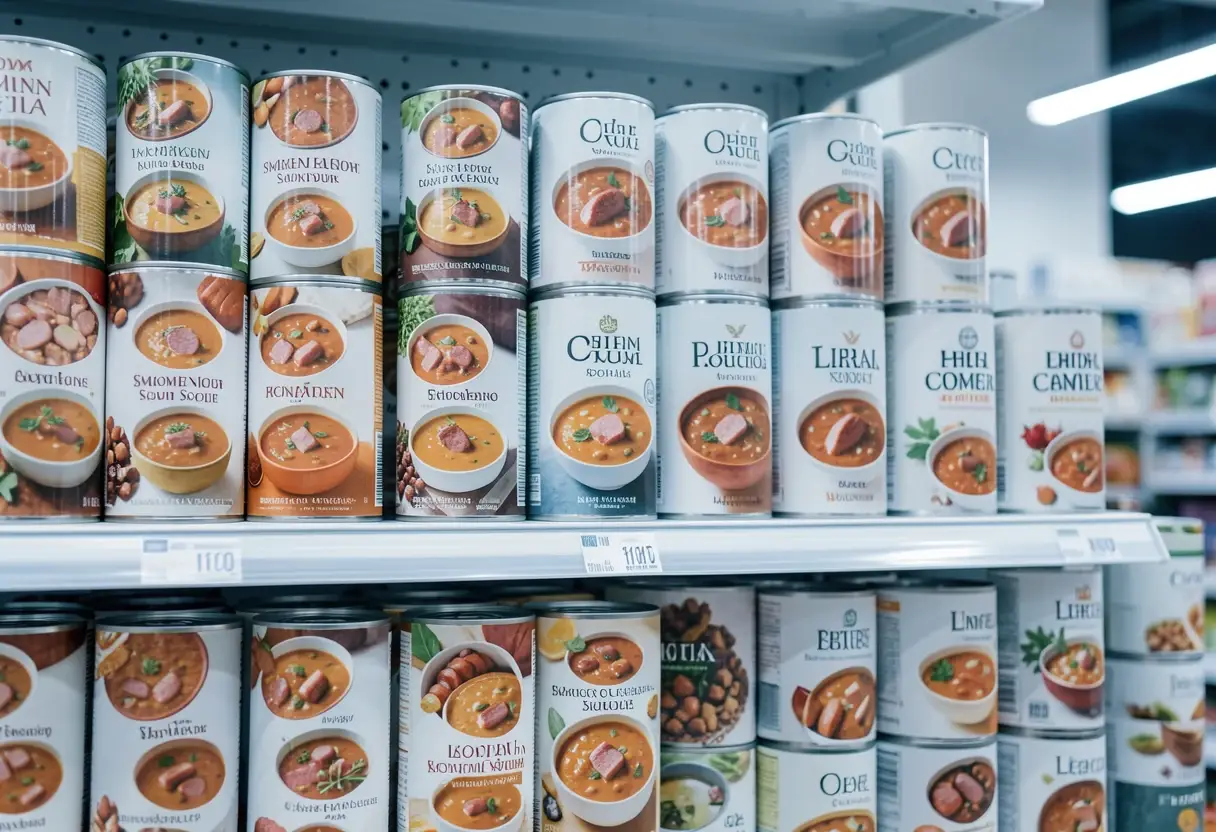
The Dutch competition authority ACM has blocked Zwanenberg Food Group's proposed acquisition of Unox from Unilever. The regulator says the deal would have cut competition and pushed up prices for supermarkets and shoppers.
ACM calculated that the combined business would have held roughly 60-85% of the Dutch markets for smoked sausages, boiled sausages and ambient wet soups. It also found that Zwanenberg would have become practically the only major supplier of smoked and boiled sausages to Dutch supermarkets.
Why did ACM say no?
Martijn Snoep, chair of the ACM board, said: "We wish to prevent individuals from being confronted with higher prices as a result of this planned acquisition. It would have resulted in one competitor gaining too strong a position in the markets for ambient sausages and wet soups. That would have left supermarkets with fewer supplies to choose from and the risk of price increases in their stores."
The core mechanism is a classic supplier-power problem. Zwanenberg supplies private-label products; Unox brings an established branded portfolio. ACM judged that combining the two would strengthen Zwanenberg's negotiating hand with supermarkets and let it demand higher prices.
The regulator's investigation found supermarkets had already flagged the risk of price increases. It also found too few alternative suppliers capable of replacing Zwanenberg in the affected categories, and no sign new entrants were coming. Entering these markets would require significant investment that could be difficult to recoup.
What remedies were on the table?
ACM gave Zwanenberg and Unilever chances to propose fixes. One option involved selling part of Zwanenberg's production capacity to a suitable buyer, creating a new competitor for the combined business.
The regulator rejected the proposals. It said the proposed buyer would have insufficient capacity, at least for boiled sausages, and that the plans lacked sufficient detail. ACM also flagged a dependency between Zwanenberg and the buyer during the first two years.
"ACM thus has no assurance that the proposals will take away the concerns," it said, noting supermarkets had also questioned whether the measures would deliver enough competition in practice.
Zwanenberg and Unilever can appeal the prohibition.
What does this mean for Unilever's food strategy?
The blocked sale was part of Unilever's wider restructuring of its Foods portfolio, which is concentrating on larger brands across cooking aids, mini meals and condiments. The Unox and Zwan meat and soup brands had been part of Unilever for almost a century.
Unilever said the brands carried distinct supply chains, sourcing models and technological and R&D requirements that made them less scalable inside its broader Foods business.
Not everything was in scope. Unox's Noodles and Cup-a-Soup products were excluded and stay with Unilever because they fit its mini meals category. The deal did include soup-in-pouch production at Unilever's factory in Poznań, Poland. Financial terms of the binding offer were never disclosed.
At the time of the proposed transaction, Heiko Schipper, president of Unilever Foods, called Unox an "iconic brand" in the Netherlands and said parting with it had not been easy. Zwanenberg CEO Sjoerd van der Laan said the Unox and Zwan brands would have been a "wonderful addition" to his company's portfolio.
What happens next: Zwanenberg and Unilever must decide whether to appeal ACM's prohibition, and Unilever will need a new route to divest Unox and Zwan if it still wants to exit these century-old brands.
via FoodBev (Source)
More from Olivia Hart
Show full bio
Correspondent covering money, funding and market shifts around European hospitality industry at Eurotables Report.
136 articles
Other tables tonight
- Nº 46CMA challenges McCormick’s Unilever Foods acquisitionFRNovember 12, 2026
- Nº 27General Mills weighs Häagen-Dazs split outside North AmericaFRNovember 6, 2026
- Nº 33Supermarkets and hospitality warn of price rises from EU packaging rulesESOctober 10, 2026
- Nº 36Swiss Subway licensee buys Dunkin' Switzerland, targets top-tier coffee scaleFRNovember 12, 2026
- Nº 41EU packaging guidelines leave food industry concerns unresolvedFRSeptember 29, 2026