Wales to get its first Charmat method wine as Velfrey invests in tank line
Velfrey Vineyard will make Wales's first Charmat method sparkling wine from Welsh grapes, with production at its Pembrokeshire winery set to begin in early 2027.
· 3 min at the table
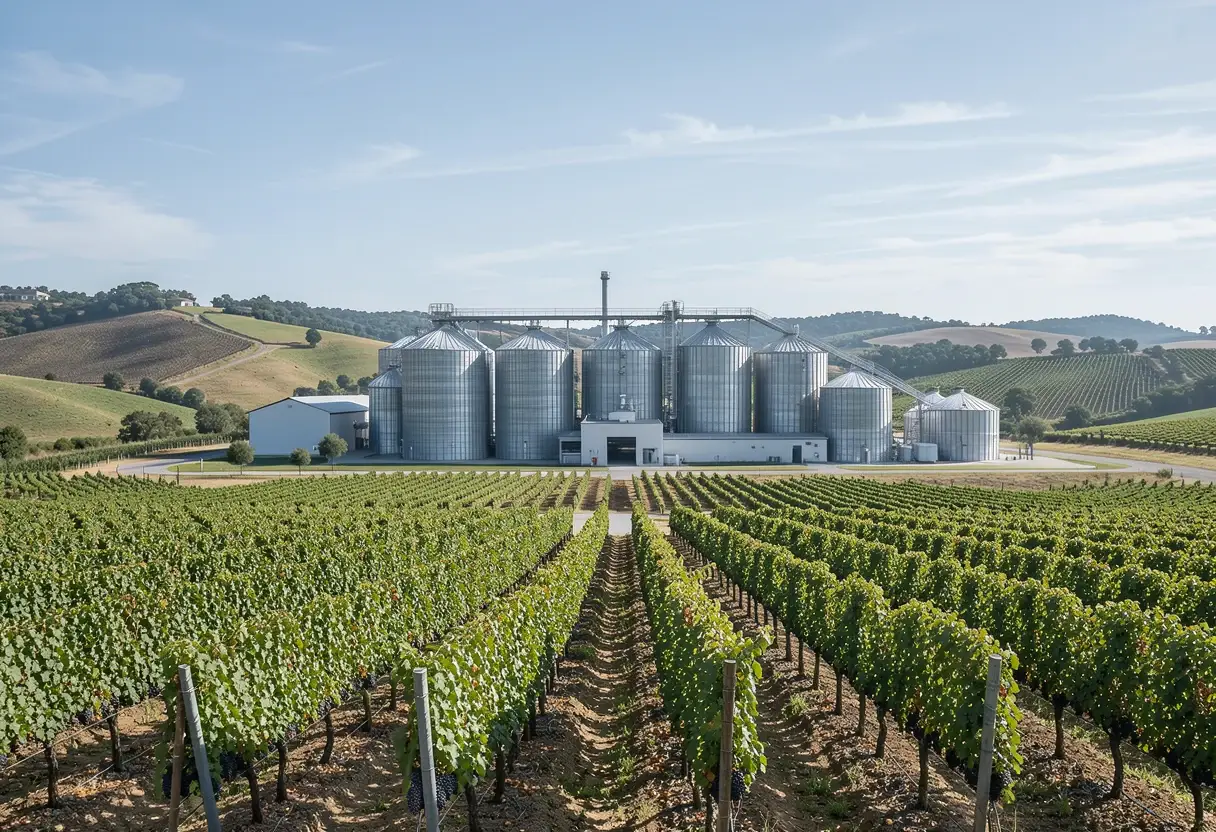
Velfrey Vineyard will produce Wales's first Charmat method sparkling wine from Welsh-grown grapes, with production expected to start in early 2027. The Pembrokeshire producer is installing a new pressurised tank and bottling line at the winery to make it happen.
The move adds a different style of fizz to a Welsh wine industry that has so far built its reputation on bottle-fermented sparklers. The new wine will sit alongside Velfrey's existing range of traditional method wines once released.
What does the Charmat method change?
The Charmat method creates the wine's bubbles through secondary fermentation in a sealed, pressurised tank, rather than in the bottle as in the traditional method. It's the technique famously used for Prosecco, and it suits fresh, fruit-forward sparkling wines made to be drunk young. The process preserves the primary fruit character of the grapes rather than the bready complexity of long lees ageing in bottle.
Ryan Mounsey, Velfrey's winemaker, explained the thinking: "We have established Velfrey around traditional method sparkling wine, but Charmat gives us the opportunity to do something quite different with Welsh grapes. It allows us to put the fruit right at the centre of the wine and create a fresh, vibrant style that we believe will sit very well alongside our existing sparkling wines."
In plain terms, Velfrey wants Welsh fruit tasted as fruit, not transformed by years on lees.
How widespread is Charmat in the UK?
The method isn't new to the wider British industry. A small but growing number of English producers already work with it. West Sussex's Fitz's began making England's first Charmat method wines back in 2016. Flint Vineyard, another pioneer, uses PIWI varieties to create what it calls 'sustainable' Charmat-method wines. Silverhand Estate's debut release also used the technique.
There's a labelling catch, though. Such wines can't carry 'English Sparkling Wine' on the bottle, because that designation is reserved for traditional method wines. Charmat producers sell within that constraint, and the constraint hasn't stopped them.
Trade body Wine GB describes a "growing movement beyond the traditional method" across the UK. That movement spans Charmat, carbonated, Pét-Nat and Col Fondo styles — all of which trade on freshness and approachability rather than cellar-age complexity.
How big is the market shift?
Last year Wine GB said Charmat represented nearly 10% of the UK wine market. The organisation framed the figure as evidence of a wider cultural shift "towards diversity, sustainability and accessibility in wine".
For operators and buyers, the signal is straightforward: consumers increasingly accept tank-method fizz as a category in its own right, not a cheaper imitation. That gives Welsh and English producers room to segment their ranges — traditional method for premium occasions, Charmat for younger, fruitier drinking.
Velfrey's project also shows how modest capital investment, a pressurised tank and a bottling line, can open a new product line without abandoning the existing core business.
What happens next?
The tank and bottling line go in at the Pembrokeshire winery, and production of Wales's first Charmat method wine begins in early 2027. Expect the release to arrive after that, with the wine positioned as a complement to Velfrey's traditional method range rather than a replacement for it.
via velfreyvineyard.com (Original)
More from Olivia Hart
Show full bio
Correspondent covering money, funding and market shifts around European hospitality industry at Eurotables Report.
155 articles
Other tables tonight
- Champagne Harvest Starts August 12, Earliest Date on RecordOctober 10, 2026
- The Savoy opens Beaufort Wine Bar with UK's largest by-the-glass listOctober 14, 2026
- Roussillon yields rise 10hl/ha in 2026, but recovery stays partialOctober 30, 2026
- Champagne Houses Turn to Reserve Stocks as Harvest HalvesSeptember 29, 2026
- Vinarchy targets £1.4bn UK wine growth with Vintelligence planOctober 10, 2026