ITNº 10Food & Beverage Trade
Tequila overtakes gin behind UK bars — but agave supply can't keep up
Tequila outsold gin behind UK bars for the first time in 2026. But a five-year crop, clonal genetics and a 500m-litre surplus threaten the category's run.
· 3 min at the table
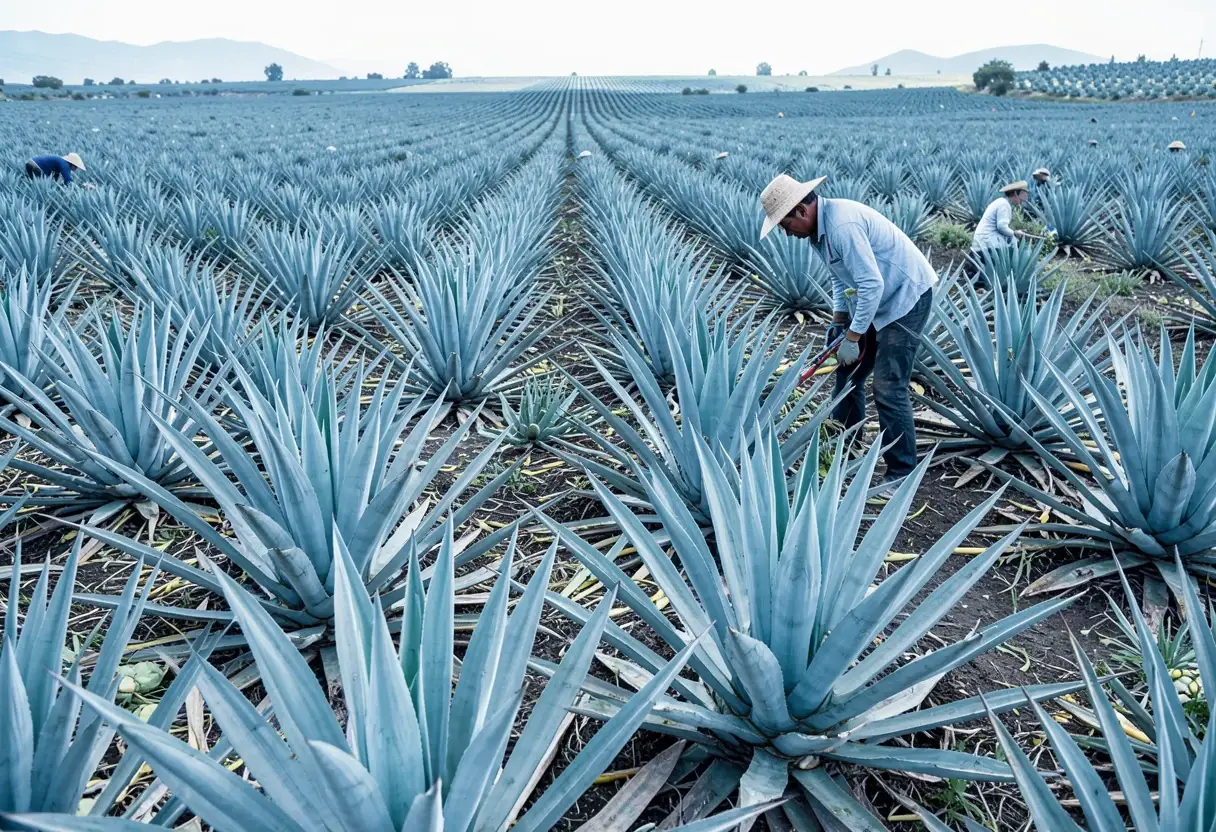
Tequila became the best-selling spirit behind UK bars for the first time in 2026, knocking gin from the top spot in the CLASS Bar Report. NielsenIQ had already named the Margarita the best-selling cocktail of 2023, and the Spicy Margarita now outsells the classic version, according to a survey by Wilde Toast. For a spirit that only secured Protected Geographical Identification status in the UK in 2019, that's fast progress.
The global numbers back it up. Statista puts US sales at 31.6 million nine-litre cases in 2023, up from 8.7 million in 2004. IWSR reports global volumes grew at a 7% CAGR between 2019 and 2025, with a projected +2% CAGR by 2030. India, Colombia, Nigeria and Japan are opening as growth markets, and ultra-premium is surging.
Why supply can't simply scale?
The mechanism behind the problem is simple. Since 1949, only the Blue Weber agave — one of over 200 classified agave species — may legally be used. It takes five to seven years to mature, and tequila can only be produced in five Mexican states: Jalisco, Michoacán, Nayarit, Guanajuato and Tamaulipas. By law, tequila needs a minimum of 51% Blue Weber agave; the balance can come from other sugars. But demand has shifted sharply toward 100% agave products, which need more plants per bottle.
The plant is self-cloning, so farmers replant genetically identical pups cut from mother agaves. That narrows diversity further — scientists have found hundreds of agaves descend from just two mother plants. Monocultures and a lack of pollination leave the crop exposed to pests and disease.
What happened to agave prices?
Price history shows how violently the cycle swings. In 2000, agave cost 25 pesos per kilo, with 15,000 farmers in business. By 2007 it cost three pesos and farmer numbers had fallen to 8,000. In 2024 there were 22,000 registered farmers. In downturns, farmers burn or abandon fields they can't afford to harvest, letting pests spread to neighbouring crops.
It has happened before. In the 1990s, underplanting collided with the Picudo de Agave disease, which wiped out a quarter of the crop. By mid-2000, a third of tequila distilleries had closed. In 2025, a demand slowdown has left a 500-million-litre surplus. Meanwhile, big brands from Diageo and Proximo Spirits are reporting heavy losses in a flatlining US market, while craft products hold up better.
Who is fixing it?
Several schemes are working on the supply side:
- The Bat Friendly Project works with brands to let a minimum of 5% of their crop flower, attracting nectar-feeding bats that pollinate agaves and widen genetic diversity.
- Tequila Ocho, Casa Noble, 123 and Hermosa use fair trade agreements and stable prices to keep farmers loyal and harvests responsible.
- Don Julio, Altos Tequila and Mijenta — the first tequila brand to achieve B Corp status — hold ARA (Agave Responsable Ambiental) certifications, introduced by the Consejo Regulador del Tequila and the Jalisco Government in 2021 to prove agaves weren't grown on deforested land. The target is 100% deforestation reduction by 2027.
- Don Fulano and Don Julio promote rotating cover crops such as corn and beans to restore soil drained by monoculture and chemical inputs.
Industry leaders including Ivan Saldano are also discussing expanding the Denomination of Origin beyond the five legal states to build biodiversity and supply security.
Does sustainability sell at the bar?
Buyers seem to reward it. The Wilde Toast report found sustainability credentials are 14 times more likely to drive a bartender's tequila recommendation than celebrity ownership, and 56% of respondents said sustainability and proof of farmer welfare are part of what makes a 'great tequila'.
The test now is whether growers and brands can keep the balance between demand and a crop that takes half a decade to mature. The deforestation deadline of 2027 and the fate of the 500-million-litre surplus will show soon enough whether the category's boom holds.
via statista.com (Original)
More from Olivia Hart
Show full bio
Correspondent covering money, funding and market shifts around European hospitality industry at Eurotables Report.
136 articles
Other tables tonight
- Nº 18SSV launches Metza and BAM! Bacanora brands in the UKFRNovember 18, 2026
- Nº 07Heineken Warns UK Pubs: Adapt to GLP-1 Drugs or Lose Beer RevenueDEOctober 30, 2026
- Nº 14Concha y Toro forecasts 2027 sales rebound of up to 4.7%DENovember 3, 2026
- Nº 01Flor de Caña moves UK distribution to Paragon BrandsFRNovember 7, 2026
- Nº 18Champagne Houses Turn to Reserve Stocks as Harvest HalvesFRSeptember 29, 2026