DENº 07Food & Beverage Trade
Heineken Warns UK Pubs: Adapt to GLP-1 Drugs or Lose Beer Revenue
Heineken has told UK pubs to push half-pints and low-alcohol serves as GLP-1 users cut beer spend by 13.5%, per Circana data on tracked US households.
· 3 min at the table
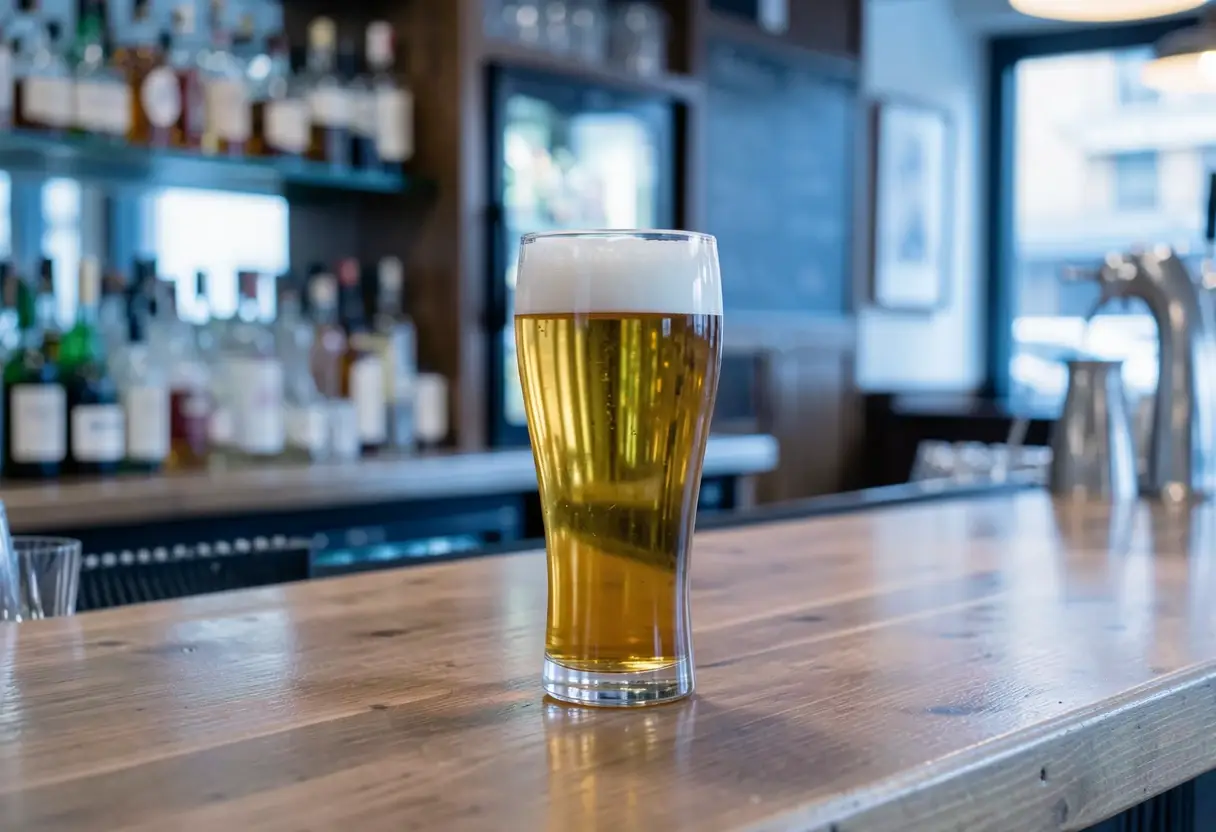
Heineken has told British pub and bar operators to adapt to weight-loss drugs or watch visits and spend decline, according to a company presentation seen by Reuters — a rare admission from a major brewer that GLP-1 medicines threaten beer sales.
The presentation, sent to UK hospitality customers this month and previously unreported, advises venues to promote half-pints, low- and no-alcohol drinks, and to pair drinks with small plates. The brewer, the world's second-largest after AB InBev, warned customers that GLP-1 drugs can reduce the desire to drink and pressure beer and cider sales through "fullness and fewer serves". Traditional multi-pint drinking occasions, it said, could become harder to sustain.
How big is the GLP-1 threat?
Some 10 million people in the US took medications such as Novo Nordisk's Ozempic and Wegovy last year, according to JPMorgan research. The effects are already rippling through consumer goods: suppressed cravings for sweets and snacks, rising demand for clothing alterations and a scramble to sell products that counter side-effects.
Spending data now shows a measurable hit to alcohol purchases. Market research firm Circana tracked a group of US households with a GLP-1 user between 2024 and 2026 and compared them with households without one. After two years on the drugs, GLP-1 households spent about 7% less per month on alcohol — including roughly 13.5% less on beer. That gap covers both at-home and out-of-home consumption, meaning pubs and retail lose together.
What did Heineken actually say?
Heineken said the presentation formed part of its regular engagement with UK hospitality businesses. "We see some changes in consumption behaviour among (GLP-1) users and will continue to monitor how these behaviours evolve in 2027," the company told Reuters.
It added that GLP-1 users were not abandoning alcohol altogether but were shifting toward smaller serves, lower-alcohol drinks and more premium products — a shift the brewer said aligns with broader existing trends and that its portfolio is positioned to meet.
The stakes for Heineken are concentrated in Europe, its largest market by revenue, where growth has been sluggish. Britain, where Heineken owns more than 2,000 pubs, is a relative bright spot. Beer generated nearly £14 billion of sales in British pubs, bars and restaurants in the year to February 2026, according to a Heineken UK report — but less than £300 million of that came from no- and low-alcohol beer. That sub-2% share marks both the gap and the opportunity for operators rethinking their offer.
How have rivals and researchers responded?
Drinks companies have largely played down the threat. Diageo, the top spirits maker, has told investors any impact should be manageable even if use becomes more widespread. Carlsberg told Reuters existing data did not yet support the view that the drugs were a clear driver of beer consumption trends. Anheuser-Busch InBev declined to comment.
Surveys in Europe and the UK by Circana, NIQ and UK-based hospitality researcher KAM have all pointed to reduced drinking among GLP-1 users. Ten of 11 GLP-1 users Reuters interviewed said they had cut their drinking, sometimes significantly, citing discomfort, feeling unwell or simply no desire to drink.
Daniel Cornwell, founder of hospitality executive recruitment business SPE Resourcing, said he used to drink regularly at work events and on weekends but now finds alcohol causes discomfort and a multi-day hangover.
Joseph Schacht, a professor at the University of Colorado Anschutz who led a randomised controlled trial on GLP-1s and people with alcohol use disorder, said trials have consistently shown reduced cravings and consumption. The medicines could create a "Prozac moment" for AUD treatment, he said — while challenging alcohol producers if broader groups of drinkers cut back.
Heineken says it will keep monitoring user behaviour into 2027, and pub operators with premium low-alcohol ranges and food-led formats look best placed as mainstream GLP-1 use grows in Britain.
via Hospitality Ireland (Source)
More from Priya Raman
Show full bio
Staff writer covering companies, deals and strategy in European hospitality industry at Eurotables Report.
139 articles
Other tables tonight
- Nº 15Heineken warns venues on weight-loss drugs as UK budget leaves hospitality rates burdenNLOctober 30, 2026
- Nº 10Tequila overtakes gin behind UK bars — but agave supply can't keep upITOctober 30, 2026
- Nº 37ING Think weighs GLP-1 demand risk for European food operatorsDEOctober 10, 2026
- Nº 25UK hospitality faces three deposit return schemes with 12 months to goFROctober 2, 2026
- Nº 39Europe ramps up food-industry pressure on obesityDEOctober 10, 2026