ESNº 23Food & Beverage Trade
Soil Association pulls organic certification from British farmed salmon
The Soil Association has dropped its organic badge for farmed salmon after a review found certified farms no better than conventional ones on welfare or mortality.
· 3 min at the table
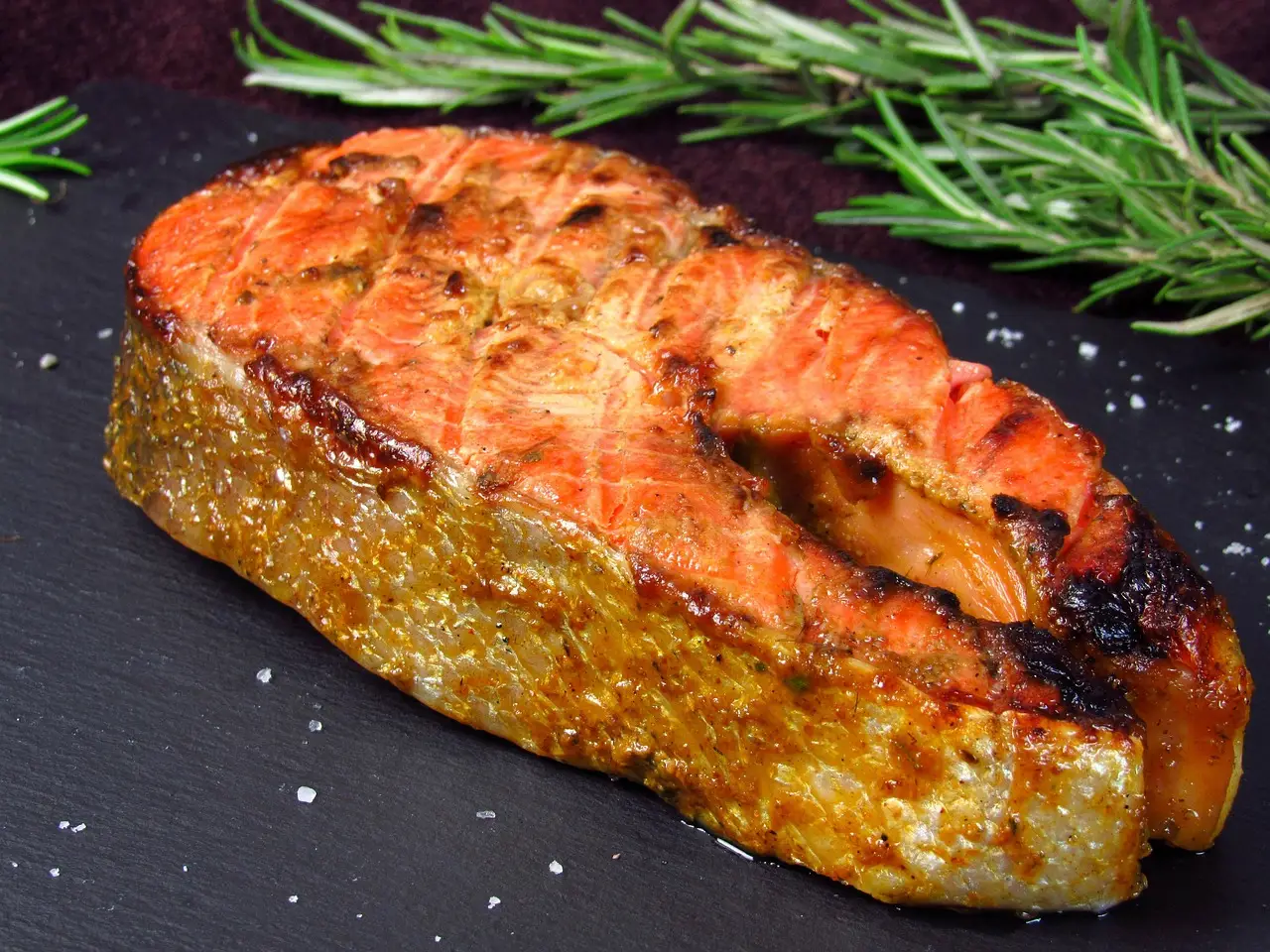
The Soil Association has withdrawn its organic certification from British farmed salmon after 20 years, following a two-year review that found welfare and environmental outcomes on certified farms were not significantly better than on conventional ones.
The decision strikes at the marketing core of an industry worth £1bn a year. British farms produce about 205,000 tonnes of salmon annually and employ 2,500 people in Scotland. Salmon ranks as the most popular fish with British families, who consume 65,000 tonnes of it each year.
Helen Browning, CEO of the Soil Association, said the body had hoped two decades ago to build "an aquaculture system that could deliver the principles of organic production in the sea". She added: "We envisioned a multi-trophic, enriched environment which could provide the resources for a good life for salmon, with minimal negative impact on other species. However, progress along these lines has been negligible."
What does the ruling change for buyers?
Possibly less than the headline suggests. Salmon Scotland said the UK government has assured farmers their sites "will continue to be assessed against organic standards with no loss of certification". A spokesperson said: "Consumers can therefore continue to buy Scottish organic salmon with confidence."
What changes is the label. The Soil Association logo disappears from packaging, removing the private badge that campaigners argue lent the product an "odour of sanctity", in the words of Tom Appleby, head of governance and legal affairs at Blue Marine. He called the withdrawal "incredibly important" because "it goes to the heart of the business model of salmon farming".
The evidence behind the withdrawal
The association's internal review found concerns around suffering and high mortality rates at certified sites. In 2023, a record 17.4 million salmon died on British farms before harvest. Footage has shown farmed salmon with blisters and sores from sea lice infestations linked to high stocking densities.
WildFish, the charity that pressed for the withdrawal, says salmon farming is inherently incompatible with organic principles. It cites chemical treatments including formaldehyde, pollution from waste, and feed made from wild fish caught off West Africa, depleting stocks there and straining local food security. More than 120 chefs across 26 countries have signed a WildFish open letter saying they will keep ocean-farmed salmon off their menus unless practices change.
Nick Measham, WildFish CEO, said the withdrawal "is a start in exposing the environmental, sustainability and welfare disaster that is salmon farming". He went further: "The industry has gaslit consumers, it is a complete con."
Feed shift and the inspection reports fight
The certification loss lands as some European producers switch feed. Lerøy Seafood Group, one of Norway's largest farmers and a Tesco supplier, has introduced ground-up poultry byproducts at all its offshore farms. Tesco said the practice "helped to reduce the reliance on marine resources".
A separate dispute is unresolved. WildFish has spent two years seeking the Soil Association's salmon farm inspection reports through environmental information laws. A first-tier tribunal ordered publication; the association is appealing, and a spokesperson said the decision is suspended pending its case.
Industry and government hold the line
Salmon Scotland rejected the welfare criticism, saying the sector is "subject to more than 1,600 audits and inspections each year" and has "invested more than £1bn in fish health, environmental performance and new technology". Survival rates remain high, it said, with sea lice levels on a long-term downward trend.
Political support remains firm. The prime minister recently called Scottish salmon "our largest food export", and last year the government allowed producers to drop the word "farmed" from labelling after industry lobbying. The market is now dominated by four companies: Mowi, Bakkafrost, Scottish Sea Farms and Cooke Aquaculture Scotland. Unilever, which pioneered Scottish farming with a 14-tonne harvest near Fort William in 1971 and expanded to 116 tonnes across three sites by 1976, exited long ago.
Wild Atlantic salmon numbers off British shores have fallen more than 70% since industrial farming began. The Soil Association's appeal against publishing its inspection reports will determine how much of the underlying evidence reaches the public.
via theguardian.com (Source)
More from Grace Kim
Show full bio
Market editor covering companies, deals and strategy in European hospitality industry at Eurotables Report.
137 articles
Other tables tonight
- Nº 18Defra plan targets 10% organic farmland by 2036ITOctober 15, 2026
- Nº 41Plant-Based Food Hits $6.6 Billion as Category Outgrows Trend StatusITOctober 30, 2026
- Nº 42Eurobarometer: 72% of EU consumers feel uninformed on food innovationITOctober 30, 2026
- Nº 24Salmonella outbreak kills two and exposes UK foodservice egg sourcingESOctober 10, 2026
- Nº 39UK-EU SPS draft targets lower barriers and fresher supplyITNovember 4, 2026