ITNº 41Food & Beverage Trade
Plant-Based Food Hits $6.6 Billion as Category Outgrows Trend Status
Plant-based retail sales hit $6.6 billion since 2015; 75% of converts are former meat eaters as AI, 3D printing and fermentation scale the category.
· 3 min at the table
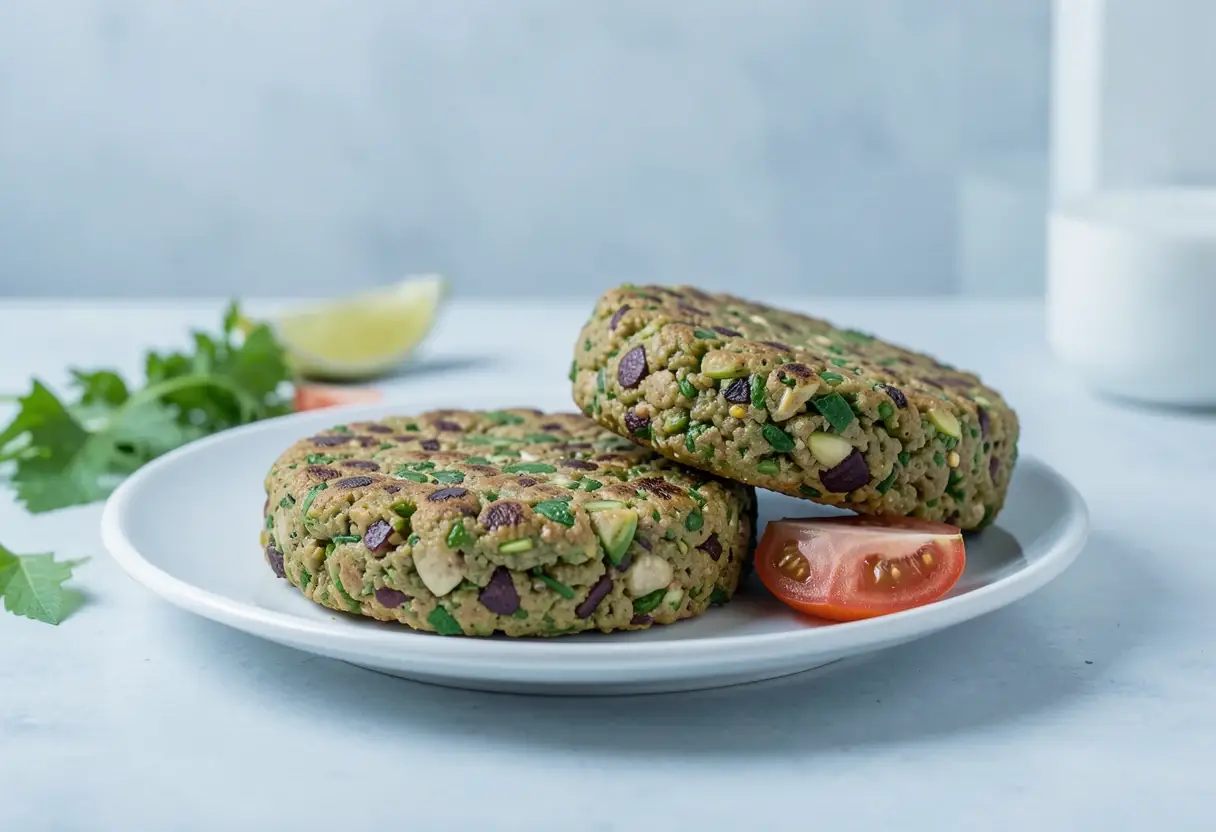
Global retail sales of plant-based meat, dairy by-products and seafood have reached an estimated $6.6 billion since 2015, and the Good Food Institute expects the figure to keep rising through the decade. The sector now sits on menus worldwide as a commercial category rather than a passing trend, sustained by climate pressure, health concerns and rising conventional protein costs.
The Good Food Institute's 2026 assessment strikes a balanced note: "In 2025, the industry experienced both headwinds and progress: a tighter funding environment and high-profile consolidations contrasted with advances in sensory science, growing public-sector investment, and increasing policy support in several countries." The commercial sector, in plain words, has not yet expanded broadly despite the technology gains.
Who is actually buying plant-based?
The consumer data reframes the target market. According to figures presented at the Plant-Based Expo in London three years ago, 75% of converts to plant-based diets were previously meat consumers, not vegans or vegetarians. The vegan and vegetarian segment remains a small slice of the total food market.
That ratio shapes product strategy. Developers are targeting hybrid dishes that combine plant-based ingredients with organic products, with explicit goals of cutting sugar, salt and fat while improving flavour and organoleptic properties for omnivorous and regular meat eaters. The Expo's two core tracks covered meat alternatives and the future of alternative protein markets, with experts calling for a comprehensive categorisation system for animal protein substitutes — a gap in both tangible and intangible market spaces.
Governments in Germany, Italy, France, Denmark and the Netherlands have backed the category with financial resources, staff, technology and marketing. Plant protein agriculture is positioned in Europe as a complement to traditional farming, not a disruptive threat to it.
Which technologies are driving the category?
Four technology families dominate development, each with named operators:
- Artificial Intelligence — molecular flavour matching that cuts R&D time and produces near-perfect sensory mimics. Leading examples: NotCo, Climax Foods, Tastewise.
- 3D Food Printing — Fused Paste Layering (FPL) enabling production of whole-cut meats and steaks. Leading examples: Redefine Meat, Steakholder Foods.
- Precision Fermentation — bioidentical milk proteins delivering animal-free dairy with real melt and taste. Leading examples: Muu, Meatable.
- Mycelium Cultivation — whole-muscle fungal protein for clean-label, nutrient-dense analogues. Leading examples: Meati Foods, Quorn.
AI and robotics also accelerate ingredient development for ready-to-eat products, and neuroscience-based consumer data trackers are being used to personalise offerings and anticipate demand. Ingredient giant Givaudan has stated its commitment to collaborate with major distribution chains on research, consumer needs and continued category growth.
What does the 2030 scenario demand?
Industry projections point to 2030 as a pivot point, when new generations hold substantial purchasing power and different consumption and spending patterns. Stakeholders — universities, manufacturers, ingredient suppliers, technology providers, researchers and incubators — are being pressed into global co-creation to regulate production, distribution and consumption at scale.
For hospitality operators, the immediate implication is skills: gastronomic professionals need new techniques to build plant-based menus that hold novelty and convenience without sacrificing flavour. Technology alone will not carry the category; the Expo presenters framed it as a linchpin that only works in synergy with human creativity.
The takeaway: plant-based has crossed from niche to structural, but broad commercial expansion still hinges on cheaper production, better sensory performance and regulatory coordination. Watch the funding environment, public-sector investment levels and the next wave of consolidations through 2026 and beyond — those three signals will decide how fast the $6.6 billion base compounds.
via gfi.org (Original)
More from Tom Whitfield
Show full bio
Senior reporter covering companies, deals and strategy in European hospitality industry at Eurotables Report.
128 articles
Other tables tonight
- Nº 39UK plant-based shakeout exposes divide between novelty and traditionFRNovember 17, 2026
- Nº 42Eurobarometer: 72% of EU consumers feel uninformed on food innovationITOctober 30, 2026
- Nº 18Defra plan targets 10% organic farmland by 2036ITOctober 15, 2026
- Nº 08Plant-Based Hits €16.3B in Europe, Still 2.4% of FMCG: CircanaDEOctober 10, 2026
- Nº 41Tory plan to scrap UK-EU food deal risks 'huge uncertainty'FROctober 9, 2026