DENº 16Food & Beverage Trade
Octopus landings up nearly 1,500% as UK menus weigh an ethical catch
UK octopus landings hit 3,700 tonnes and exports reached £12.8m as shellfish catches halved. But with no humane slaughter method validated, restaurants face a hard sourcing call.
· 5 min at the table
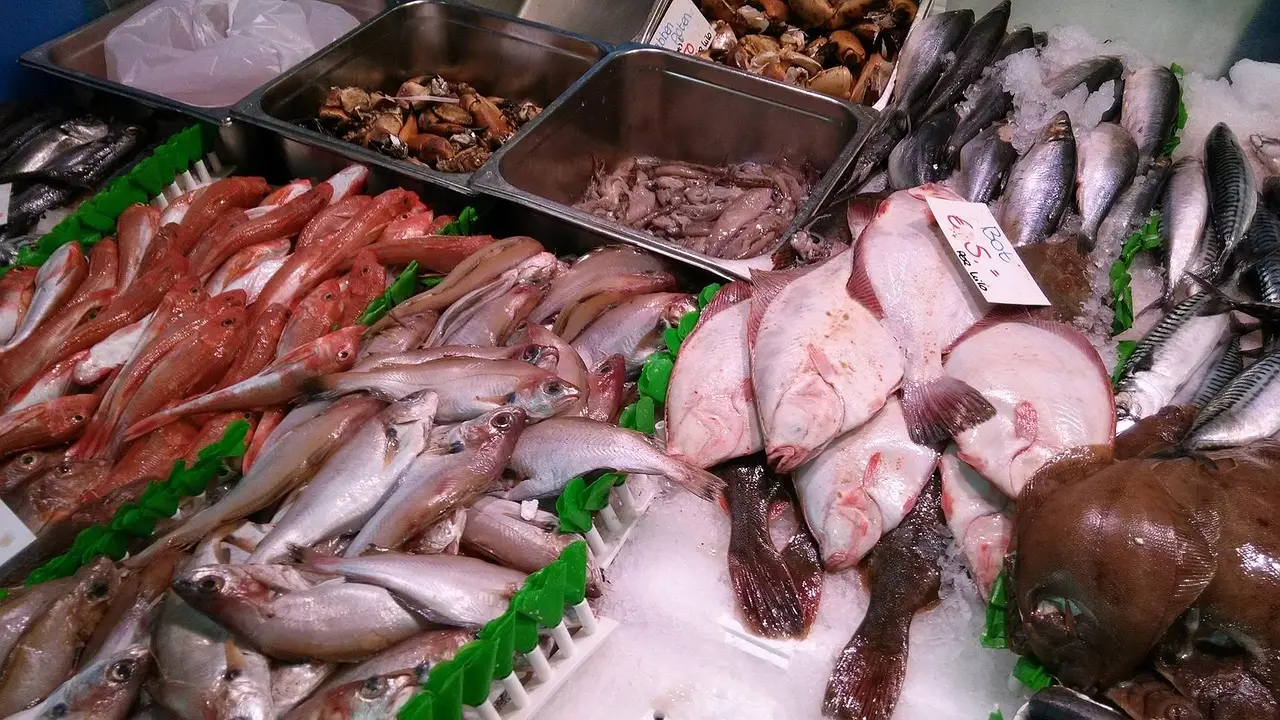
UK octopus landings have jumped by nearly 1,500% since 2021, from an annual average of around 220 tonnes between 2021 and 2024 to more than 3,700 tonnes and counting for 2026. The Marine Biological Association's Bryce Stewart says the common octopus arrived from Brittany, found unusually warm seas to its liking, and will stay: "They've established themselves, they're breeding, and the environmental conditions have changed to suit them."
For hospitality operators, the glut raises a commercial and reputational question: is UK-caught octopus a sustainable protein, or a welfare liability? The evidence cuts both ways.
What does the bloom mean for fishers?
Octopuses off Devon and Cornwall have treated fishers' pots as personal seafood buffets, emptying them of crabs, lobsters and scallops. Shellfish catches from the western Channel — crab, lobster, crawfish, scallop and whelk combined — fell by almost half in 2025 against the 2021-24 average. Early 2026 figures show the decline spreading to the Bristol Channel, Celtic Sea, eastern Channel, Irish Sea and central North Sea.
Eleanor Adamson, head of fisheries at The Fishmongers' Company, says the bloom has "destroyed the livelihoods of some in the fishing sector", while others "have been able to adapt and have landed truly staggering amounts of octopus". Octopuses are also eating undersized and breeding shellfish, with "the potential to have a significant and long-lasting impact on wild populations". Even if they vanished overnight, crab, lobster and scallop stocks would need four to five years to recover.
Where is the octopus going?
Almost none of it stays in Britain. Seafish data show UK octopus exports rose from £164,000 to £12.8m in 2025, mainly to France and Spain, where poor local fisheries have kept demand high. Adamson says the catch goes "straight to the European continent, where demand and prices are much higher", leaving "limited benefit to the wider seafood supply chain here in the UK". Prices roughly halved in mid-2026 as supply surged, according to Stewart.
Domestic demand exists but is thin. Faber, the Hammersmith seafood restaurant, put octopus on the menu for World Oceans Day in June — when the species still carried a Good Fish Guide red rating — and its octopus skewers are steadily growing sales. Founder Anthony Pender says: "Conditions change, and what's available around our coast changes with them… the octopuses we're buying are coming up as bycatch in other fisheries."
Rockfish, the southern seafood chain, has not added octopus to restaurant menus because of the chef training required. Its online fish market retailed octopus well at £18 for a pre-cooked tentacle serving two, with around half of first-time buyers ordering again. Rachel Walker-Boggis, Rockfish's head of brand, blames logistics and narrow British seafood habits for the export bias.
Can octopus be slaughtered humanely?
Here the scepticism hardens. A 2021 London School of Economics review for Defra, covering more than 300 studies, concluded cephalopods are sentient, and they were included in the Animal Welfare (Sentience) Act. A 2025 update found no validated humane slaughter method for octopus. Elena Lara of Compassion in World Farming states flatly: "There is no scientifically approved, humane slaughter method for octopuses." CIWF describes octopuses forced into ice slurry suffering "a slow, agonising death", or stabbed through the mouth.
Sophika Kostyniuk, managing director of the Aquatic Life Institute, notes that around 60% of an octopus's neurons sit in its arms; the animals use tools and feel pleasure and pain. For her, eating them is "an easy no". The Oscar-winning 2020 documentary My Octopus Teacher, plus this year's Netflix adaptation of Remarkably Bright Creatures, has shifted consumer attitudes against eating them.
What does the climate math say?
A life-cycle study of Portugal's pot and trap octopus fishery puts the footprint at about 3.5kg CO2e per kilo landed, against roughly 99kg for beef, 40kg for lamb, 12kg for pork and 10kg for chicken. Abigail Frankfort, aquatic food lead at the World Resources Institute, says that weighing emissions, biodiversity and social factors, octopus "do not necessarily jump out as the best choice" — sardines, herring, mussels and oysters score better. Nueva Pescanova dropped the world's first commercial octopus farm, planned for the Canary Islands, this summer; CIWF estimated it would have needed 28,000 tonnes of wild fish to produce 3,000 tonnes of octopus in year one.
How will regulators respond?
Anyone can fish common octopus without a permit, subject only to a 750g minimum landing weight. In July, Cornwall's inshore regulator banned vessels over 12 metres from potting for octopus in its waters. In October, Defra convened fishers, scientists and managers to discuss the bloom; options on the table include pot limits, permits, a higher minimum size and a breeding-season closure. The MCS Good Fish Guide, updated in October, moved UK common octopus from a 5 ("one to avoid") to an amber 4, for trawl and pot alike.
For buyers, SmartFish advises four questions before supplying: is the population healthy; what are the ecosystem impacts; is the fishery managed and traceable; how was the animal caught, handled and killed? Frankfort warns that building demand creates an incentive to keep the species around. Walker-Boggis agrees: "Once we as an industry and society have turned those taps on, we're not very good at turning them back off again." Operators now face Defra's next management decisions before the bloom — and the easy supply — recedes.
via gov.uk (Original)
More from Grace Kim
Show full bio
Market editor covering companies, deals and strategy in European hospitality industry at Eurotables Report.
137 articles
Other tables tonight
- Nº 24Salmonella outbreak kills two and exposes UK foodservice egg sourcingESOctober 10, 2026
- Nº 23Soil Association pulls organic certification from British farmed salmonESNovember 14, 2026
- Nº 39UK-EU SPS draft targets lower barriers and fresher supplyITNovember 4, 2026
- Nº 48Brexit food checks cost £200 a certificate; SPS deal not live until 2028ESNovember 15, 2026
- Nº 18Defra plan targets 10% organic farmland by 2036ITOctober 15, 2026