ITNº 13Hotels & Groups
London, Berlin, Madrid Face Hotel Supply Imbalance as European Pipeline Swells
Europe's hotel construction pipeline concentrates in London, Berlin and Madrid, raising oversupply risk. The DMA reshuffles Google booking visibility, operators pivot to workforce housing, and two US refinancings close.
· 3 min at the table
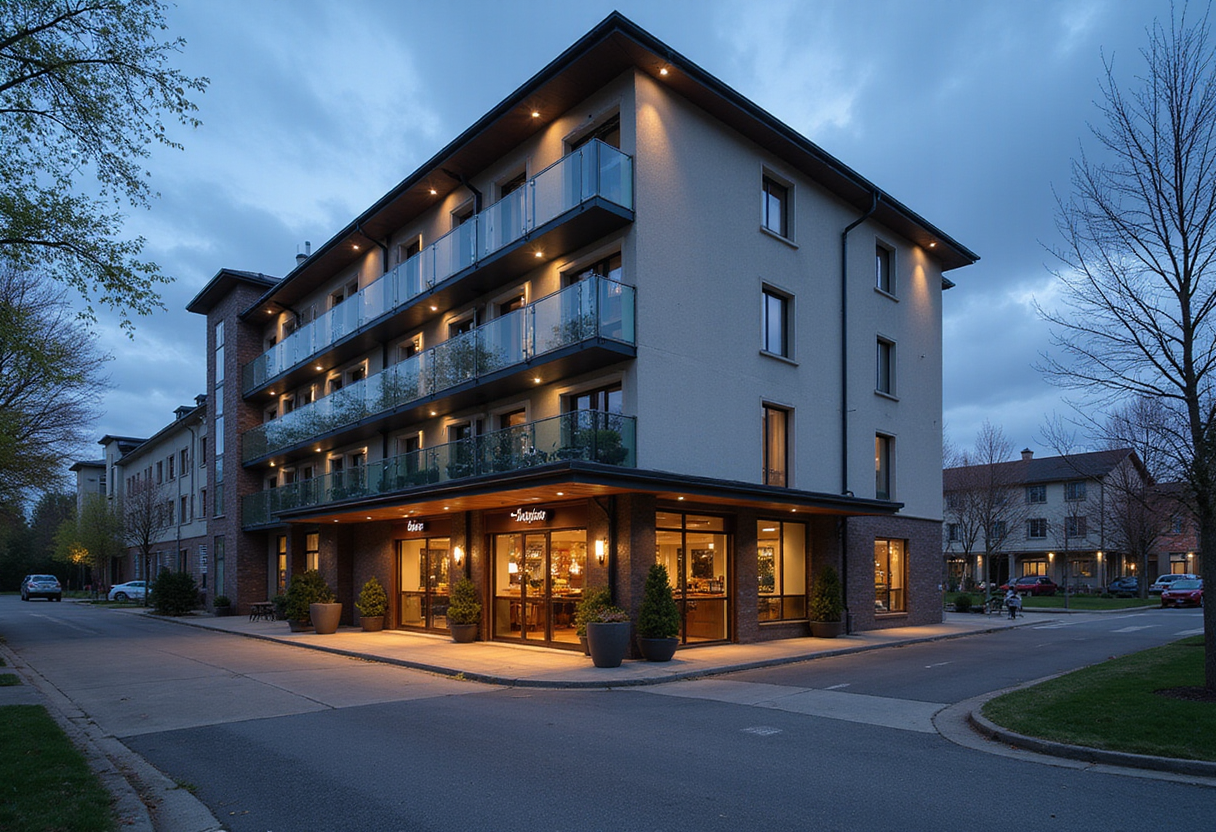
London, Berlin and Madrid are absorbing the bulk of Europe's hotel construction pipeline, raising the prospect of localized performance pressure as new room supply enters markets where demand growth is uneven, according to Hotel News Resource's April 7, 2026 coverage.
Where is supply outpacing demand?
Europe's hotel development surge concentrates in three capitals. London, Berlin and Madrid each carry a heavy project load that may exceed their respective absorption capacities.
Market maturity, growth intensity and demand mix differ across the three cities, meaning a single metric cannot describe the imbalance. Operators with concentrated exposure face falling RevPAR risk if new properties open faster than corporate and leisure demand rebuilds.
The same edition flags uncertain demand for the 2026 FIFA World Cup in the United States. Rising trip costs and shifting international perceptions may curb the hotel compression previously expected around tournament dates.
How is the DMA reshaping hotel distribution?
Google's response to the European Union's Digital Markets Act is altering the hotel search experience across the bloc. Third-party intermediaries now receive greater visibility in Google search results.
The shift erodes the direct-booking advantage chains have spent years building. Hoteliers must engage distribution channels more proactively rather than rely on Google surfacing direct rates at the top of search pages.
The DMA continues to reshape digital markets in real time. Operators should expect further visibility shifts as enforcement matures.
Why are hotels converting to workforce housing?
Operators are pivoting select properties to workforce housing as infrastructure and industrial projects generate multi-month stays. The model delivers stable occupancy against short-term leisure volatility.
It trades ADR and ancillary revenue for volume. Negotiated stay rates compress RevPAR, and food-and-beverage capture drops when guests self-cater for extended periods.
Properties near large construction sites, energy projects and logistics hubs benefit most from the conversion.
What did the AI panel recommend?
At the Female Founders in Hospitality Summit, panelists told attendees that AI rollout requires a defined business problem before any tooling decision. Clean standardized data, bounded operational scope and iterative training underpin the recommendations.
Time for experimentation was flagged as a limiting factor for the technology's deployment.
Which deals closed this week?
Sonnenblick-Eichner Company arranged a $26 million first-mortgage refinance for the 160-room, six-story Residence Inn by Marriott Walnut Creek in California, funded by a Wall Street investment bank.
Walker & Dunlop separately placed $104.5 million in construction financing to redevelop two historic Savannah office buildings into a 168-room Ritz-Carlton hotel in the city's Historic District.
What about Middle East exposure?
Global Asset Solutions has launched a crisis-management article series covering brand positioning, force majeure clause handling and operating continuity for hotel owners facing regional geopolitical disruption.
What happens next?
Hotel investors will watch Q2 2026 absorption data in London, Berlin and Madrid to gauge whether new supply outpaces demand recovery. The European Commission continues DMA enforcement against gatekeeper platforms, and further Google visibility changes may follow before year-end. Watch for FIFA's mid-tournament booking indicators and any downward revisions to the European construction pipeline.
via hotelnewsresource.com (Original)
More from Priya Raman
Show full bio
Staff writer covering consumer brands and retail at Eurotables Report.
77 articles
Other tables tonight
- Nº 22Europe's Hotel Construction Boom Signals Supply Risk in Key CitiesESSeptember 29, 2026
- Nº 06Booking.com Sharpens Focus on Independent Hotels and HomesESOctober 10, 2026
- Nº 06European hotel transactions rise 30% in 2025 to €22.6 billionNLOctober 10, 2026
- Nº 44Financial Times: holiday rentals are winning Europe's city centresITOctober 10, 2026
- Nº 29Europe Hotel Pipeline Hits 1,736 Projects in LE DataFROctober 10, 2026