ESNº 22Hotels & Groups
Europe's Hotel Construction Boom Signals Supply Risk in Key Cities
Europe's hotel construction boom has reached levels that analysts warn could create supply imbalances in key cities, pressuring RevPAR and margins for incumbent operators.
· 2 min at the table
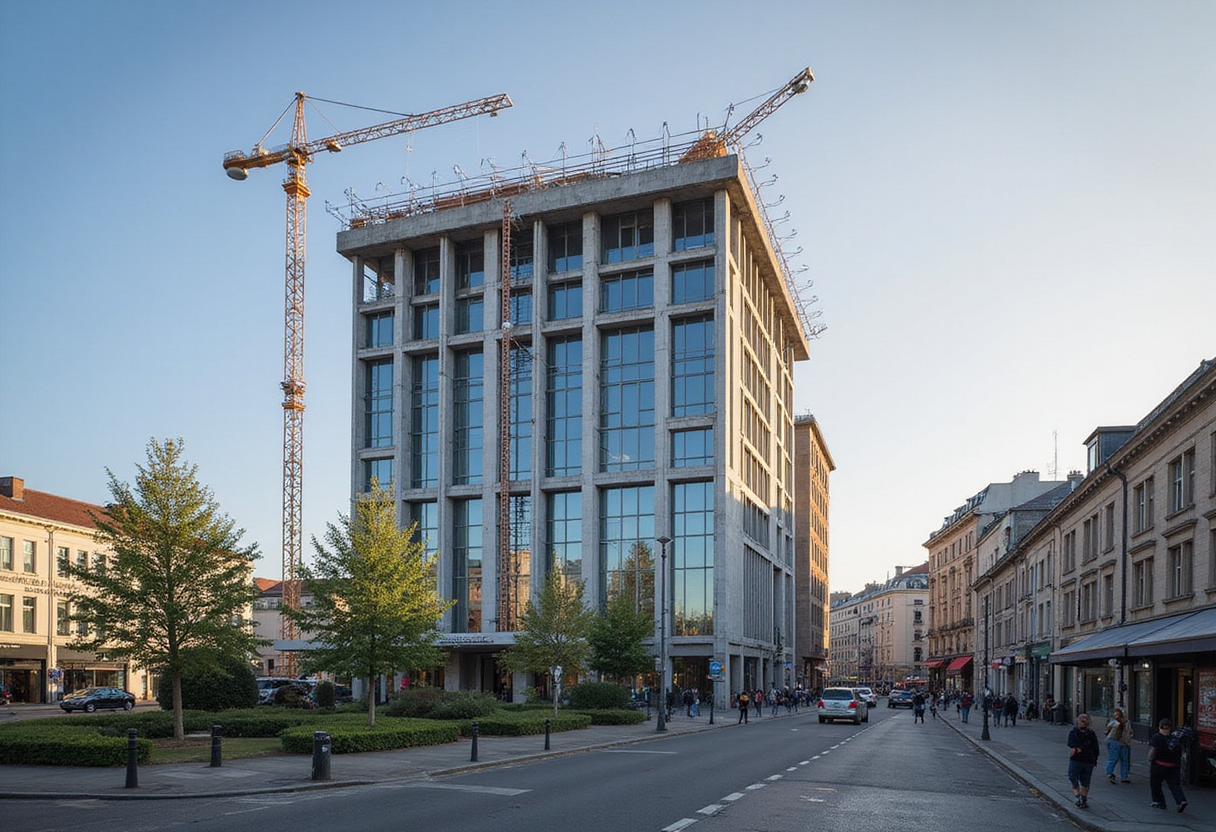
Europe's hotel construction pipeline has reached levels that analysts warn could create supply imbalances in several key cities, as developers push ahead with projects launched during the post-pandemic recovery phase.
The construction boom spans major European markets, with developers and hotel groups committing capital to new-build projects at a pace that now raises questions about absorption. The risk is most acute in gateway cities where multiple projects are scheduled to open within compressed timeframes, potentially outstripping demand growth and pressuring occupancies and room rates.
For operators and investors, the supply question cuts both ways. New inventory strengthens a city's ability to capture growing travel demand, but concentrated openings in a single market can dilute RevPAR performance for incumbent hotels. Owners of existing assets face the prospect of fresh competition at exactly the moment cost inflation continues to squeeze margins across labour, energy and financing.
The dynamics matter most for markets where the pipeline represents a significant share of existing stock. When new supply approaches or exceeds historical norms as a percentage of current room count, operators typically face two to three years of rate pressure before demand catches up. Lenders active in European hotel transactions are already adjusting underwriting assumptions in line with these supply forecasts.
Brand strategy is also shifting. International chains continue to sign conversion and new-build agreements across Europe, favouring franchise and management structures that limit their capital exposure while expanding distribution. For independent operators in pipeline-heavy markets, the arrival of branded supply raises the competitive bar on distribution, loyalty programmes and technology spend.
Investors tracking the sector should distinguish between markets with balanced pipelines, where supply growth tracks demand forecasts, and those where construction activity has run ahead of measurable demand signals. Transaction volumes in European hotels have remained sensitive to this distinction, with buyers discounting assets in markets facing supply overhang.
The construction boom also reflects structural factors that will shape the next cycle. Rising build costs and tighter financing conditions have already slowed some projects and cancelled others, which may partially self-correct the imbalance. However, projects that secured funding before the rate tightening cycle remain in the pipeline and will reach completion regardless of current market conditions.
For European hospitality businesses, the practical implications are concrete. Revenue managers in affected cities should model downside scenarios that assume simultaneous openings of competing inventory. Asset managers should stress-test business plans against compressed achieved rates. Developers weighing new commitments should weigh the realistic opening schedules of competing projects, not just headline demand forecasts.
What happens next depends on the pace of completions. Industry trackers will watch opening schedules across the affected markets over the coming quarters, with developers, lenders and operators recalibrating plans as projects move from construction to launch.
via Google News: European hotel industry (Source)
More from Tom Whitfield
Show full bio
Senior reporter covering consumer brands and retail at Eurotables Report.
71 articles
Other tables tonight
- Nº 29Europe Hotel Pipeline Hits 1,736 Projects in LE DataFROctober 10, 2026
- Nº 46Europe's Hotel Pipeline Grows as Early Planning Sets Q1 2026 RecordFROctober 10, 2026
- Nº 13London, Berlin, Madrid Face Hotel Supply Imbalance as European Pipeline SwellsITOctober 10, 2026
- Nº 06European hotel transactions rise 30% in 2025 to €22.6 billionNLOctober 10, 2026
- Nº 48European hotel deal flow holds as operational bar risesDEOctober 10, 2026