DENº 20EU Policy & Regulation
Merz tells Brussels to hold the line on EU carbon market reforms
Chancellor Friedrich Merz has warned Brussels against reopening the EU's carbon market compromise, insisting businesses need predictable CO2 prices ahead of December negotiations.
· 3 min at the table
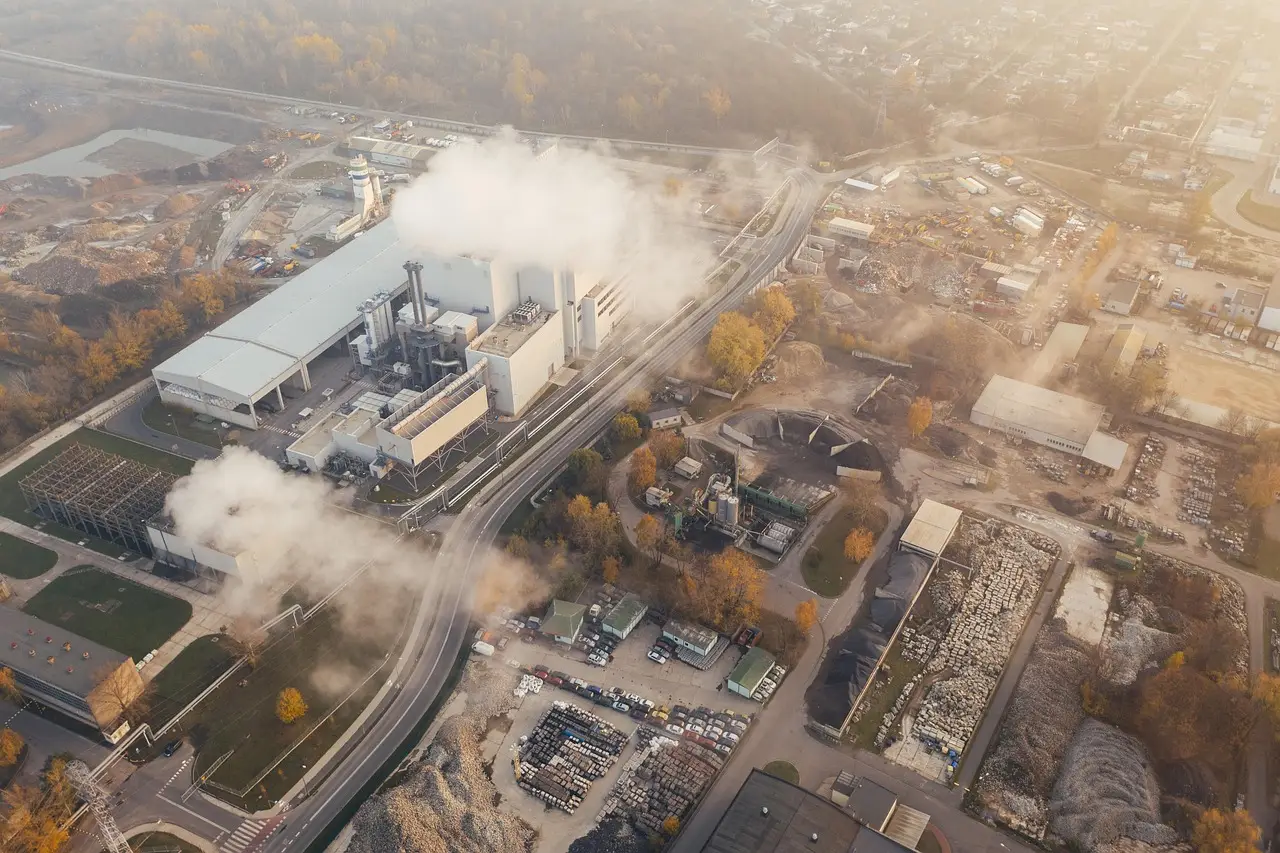
German Chancellor Friedrich Merz has told Brussels to reject further changes to the EU's second carbon market, arguing that businesses have built investment plans on reliable CO2 price signals that political retreat would now destroy.
In a letter seen by Euronews, Merz urged the European Union to stand firm on its carbon market reforms and warned against reopening a hard-fought political compromise on carbon pricing. "It is extraordinarily important that the EU ensures investment certainty in emissions trading," the letter reads.
The intervention lands mid-negotiation. The European Parliament and EU governments are currently working through the European Commission's 17 July proposal to align the Emissions Trading System (ETS) with the bloc's 2040 climate target. Several member states want to weaken or scrap parts of the system, blaming carbon pricing for high electricity costs.
What does this change for European operators?
For energy-intensive industries and power generators that pay for their greenhouse gas emissions under the ETS, the chancellor's position signals that Berlin will resist diluting the carbon price signal they have budgeted around. "European companies in the energy and industrial sectors have built their business models on the expectation of reliable CO2 price signals," the letter states.
Merz acknowledged that carbon pricing feeds into electricity bills. But he argued those costs should be addressed through existing compensation mechanisms — which let governments offset indirect carbon costs for electricity-intensive industries — rather than through changes to the ETS itself.
A split inside Berlin
The chancellor's stance puts him directly at odds with his own Economy and Energy Minister, Katherina Reiche, who has pushed to relax carbon rules and extend free emissions allowances for industry. Some heavy industries currently receive free allowances to cushion decarbonisation costs and international competition; Reiche wants that protection widened, Merz does not.
The chancellor was blunter still on ETS2, the EU's second carbon market, which extends carbon pricing to fuels used in road transport and heating buildings when it takes effect in 2028. The compromise reached in early 2026 — delaying introduction to 2028 alongside price-stabilisation measures — should be sufficient to keep costs under control, he wrote. He rejected any further adjustments and insisted negotiations on ETS1 and ETS2 remain separate.
That position sets Berlin against governments seeking additional concessions on ETS2, particularly those worried about the political and social fallout of higher fuel and heating costs on households. Several member states have called for extra delays or changes to the mechanism that releases more allowances when carbon prices rise too sharply.
December deadline
Linda Kalcher, executive director of the think tank Strategic Partnerships, said Merz's direct intervention "carries real weight". She added: "His letter sends an unmistakable signal: a robust ETS is vital for industrial competitiveness and future investment. So I expect Germany — and him — to step up and lead to help broker an agreement in December."
The timetable is fixed. The European Parliament votes in plenary in mid-December, after which political talks among the EU co-legislators begin. Merz has also called on Commission President Ursula von der Leyen to conclude the reform swiftly on competitiveness grounds — without weakening the carbon market that underpins it.
via euronews.com (Source)
More from Grace Kim
Show full bio
Market editor covering companies, deals and strategy in European hospitality industry at Eurotables Report.
137 articles
Other tables tonight
- Nº 25Leaked EU compromise keeps 80% free carbon allowances for industryITNovember 17, 2026
- Nº 28Germany cuts electricity tax to EU minimum from January 2027DENovember 18, 2026
- Nº 48Investors Buy Efficiency, Not the Green PremiumITOctober 14, 2026
- Nº 02CORDIS report: Available tech can cut Europe's food-chain emissions by 2050DEOctober 10, 2026
- Nº 22DRV Congress Berlin 2026 to Put EU Tourism Rules Under ScrutinyDEOctober 16, 2026