FRNº 48EU Policy & Regulation
EU sachet ban forces ketchup packets off Dutch restaurant tables
Dutch restaurants must drop ketchup and sauce sachets under an EU ban on single-use plastics. Operators face compliance costs and must rework table condiment delivery as regulators finalise detailed rules.
· 2 min at the table
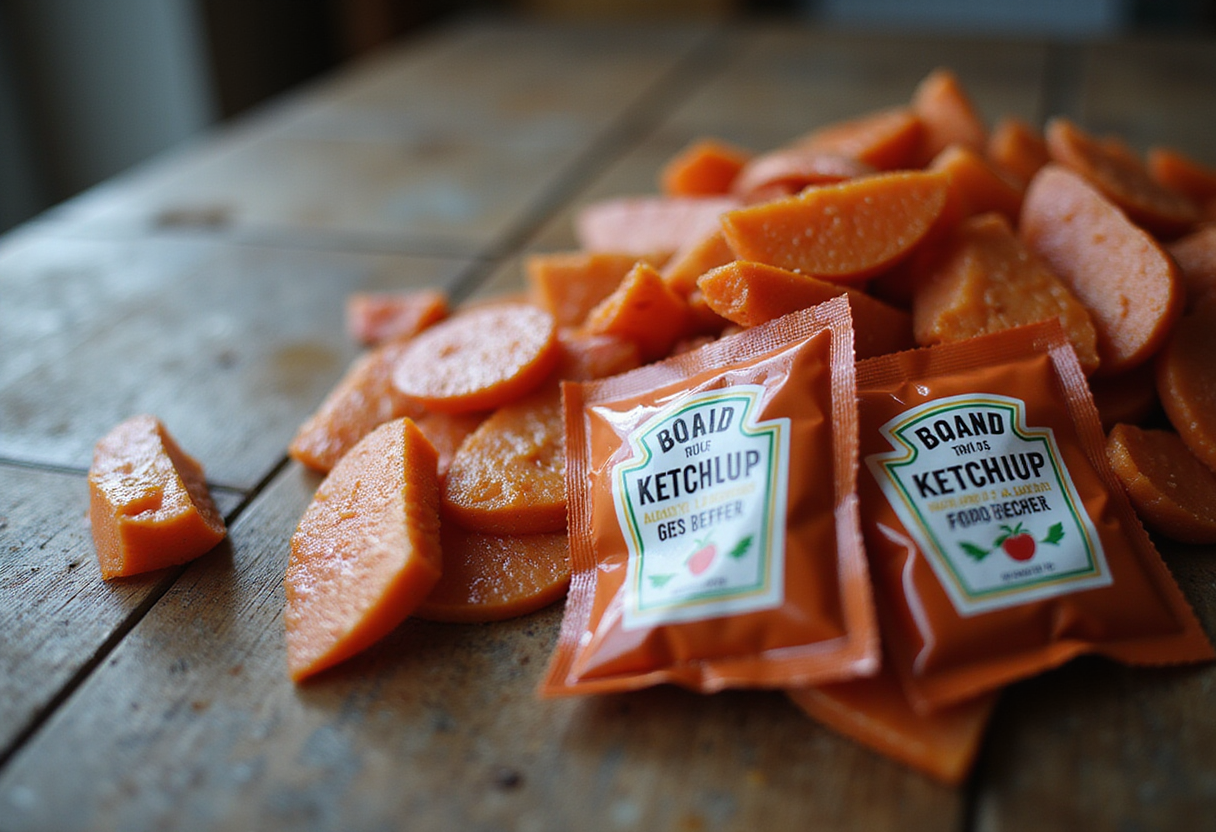
An EU regulation on single-use plastic packaging will force Dutch restaurants to stop distributing ketchup and sauce sachets to customers, according to Dutch outlet IamExpat.
The measure covers disposable condiment portions typically distributed with takeaway orders or alongside in-restaurant meals. The sachets, commonly printed with quick-service branding and used for ketchup, mayonnaise, mustard and vinegar, are produced from multi-layer laminates that current EU rules treat as restricted packaging.
What products does the ban cover?
The ban targets small-format, single-serve sachets used across European restaurant service. The items are typically produced from multi-layer plastic-aluminium laminates that complicate recycling.
The wider regulatory frame is Directive (EU) 2019/904, the EU Single-Use Plastics Directive. Member states transposed it into national law by July 2021. The Directive covers cotton-bud sticks, cutlery, plates, straws, stirrers, balloon sticks and expanded polystyrene food containers.
Product categories including condiment sachets have since been addressed through national implementing measures and through the Packaging and Packaging Waste Regulation (PPWR) negotiations ongoing in Brussels through 2023 and 2024.
How wide is the impact on Dutch hospitality?
Dutch operators across quick-service, hotel F&B and catering have used sachets for decades. Sachets cut labour costs, reduce carry-around inventory and standardise portion control in the kitchen.
Removing them forces operators to rethink table and takeaway condiment delivery. Options include bulk tabletop dispensers, refillable glass or PET bottles, paper-based stick-packs and pump-top solutions at central stations.
Quick-service and takeaway-heavy formats will see the largest operational hit because sachet-based condiments often ship with every order. Table-service mid-market and premium restaurants face fewer disruptions as they already use bottles or pour-over service.
What is the industry response?
The IamExpat report did not include reaction statements from Dutch hospitality trade bodies or named chain operators. Koninklijke Horeca Nederland (KHN), the principal Dutch hospitality association, did not have a public statement on the sachets issue available with the original report.
For operators already investing in packaging redesigns to comply with related EU packaging waste rules, the sachets ban adds another compliance cost line. Specific compliance deadlines for alternative packaging formats have not been published in the source reporting.
What happens next?
Operators across the Netherlands should request written confirmation from packaging suppliers on which current SKUs are non-compliant and on the recyclability status of alternative stick-packs, bottles and dispensers. Dutch authorities are expected to publish further guidance as the EU PPWR talks conclude in Brussels and national implementing rules are finalised in the coming year.
via Google News: EU hospitality regulation (Source)
More from Tom Whitfield
Show full bio
Senior reporter covering consumer brands and retail at Eurotables Report.
71 articles
Other tables tonight
- Nº 17EU Packaging Law Enters Force, Redrawing Hotel and Restaurant Procurement Through 2030ITOctober 10, 2026
- Nº 16EU Ban on Hotel Shampoo and Gel Sachets Takes Effect August 2026ESOctober 10, 2026
- Nº 48EU Packaging Rules Rewrite Compliance Calculus for Hotels and RestaurantsDEOctober 3, 2026
- Nº 18EU Packaging Law Bans Hotel Miniatures and Ketchup Packets by 2030DEOctober 10, 2026
- Nº 33Supermarkets and hospitality warn of price rises from EU packaging rulesESOctober 10, 2026