ITNº 02Restaurants & Dining
UK food halls buck downbeat hospitality trend
UK food halls are defying the hospitality downturn, The Guardian reports, calling the multi-trader format a rare bright spot: "In this impossible climate, they shine hope."
· 2 min at the table
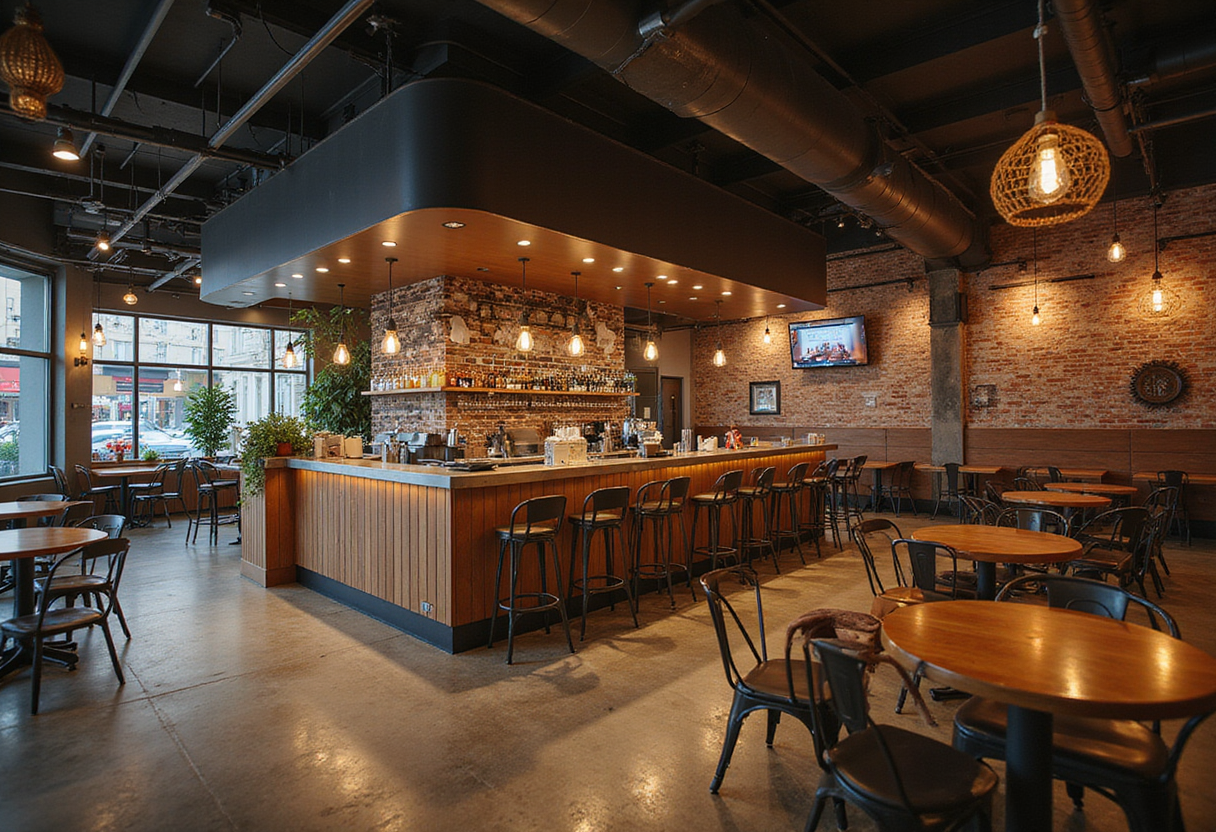
UK food halls are defying the broader downward trend in hospitality, The Guardian reports, with the format singled out as a rare growth story in a sector weighed down by costs and weak consumer spending.
The Guardian's coverage carries a striking verdict from inside the industry: "In this impossible climate, they shine hope." The quote frames food halls as the exception in a market where operators across restaurants and traditional pubs continue to report pressure.
Why does the format stand out?
Food halls aggregate multiple independent traders under one roof, sharing space, staffing flexibility and footfall. That structure gives landlords and operators a diversified income model that single-concept restaurants lack, and gives consumers variety at a range of price points — a combination The Guardian identifies as central to the format's resilience.
The coverage positions food halls against what it describes as an "impossible climate" for UK hospitality: rising input costs, squeezed household budgets and a difficult trading backdrop that has hit conventional dining operators hardest. Within that environment, The Guardian reports, food halls continue to attract crowds and sustain trader demand.
What does this mean for operators and investors?
For investors, the signal is directional rather than quantitative in the Guardian piece: capital and operator attention are shifting toward multi-trader formats that can absorb shocks better than single-site restaurants. For landlords, food halls offer a way to animate large spaces — often repurposed retail or market buildings — with a tenant mix that renews itself as individual traders rotate.
For independent food businesses, the halls function as a lower-risk entry point: a stall in an established hall carries less exposure than a standalone lease, and traders can test concepts against built-in footfall.
What happens next?
The Guardian's assessment suggests continued expansion of the format across UK cities as operators seek models that work under current cost pressure. Watch for further hall openings, retail-to-food-hall conversions and new operator entrants through the coming quarters as the sector rebalances toward formats demonstrating resilience.
By Elena Vasquez
via Google News: restaurant industry Europe (Source)
More from Elena Vasquez
Show full bio
News editor covering regulation, policy and their impact on European hospitality industry at Eurotables Report.
97 articles
Other tables tonight
- Nº 29UK-EU trade deal: what it means for UK hospitalityFRSeptember 29, 2026
- Nº 46Michelin chef exits UK for overseas venues, citing tax-driven survival threatDEOctober 10, 2026
- Nº 31U.S. Restaurant Brands View UK as Top International Growth MarketESOctober 10, 2026
- Nº 39Europe ramps up food-industry pressure on obesityDEOctober 10, 2026
- Nº 32European Restaurant Spending Hits Record HighsDEOctober 10, 2026