NLNº 48Food & Beverage Trade
Thatchers' 3,800-tree trial orchard hunts climate-proof cider apples
Thatchers' earliest harvest in 122 years has sharpened trials of 458 cider apple varieties, as growers chase drought-tolerant trees, £3,000-a-hectare pest savings and 99.9% survival rates.
· 4 min at the table
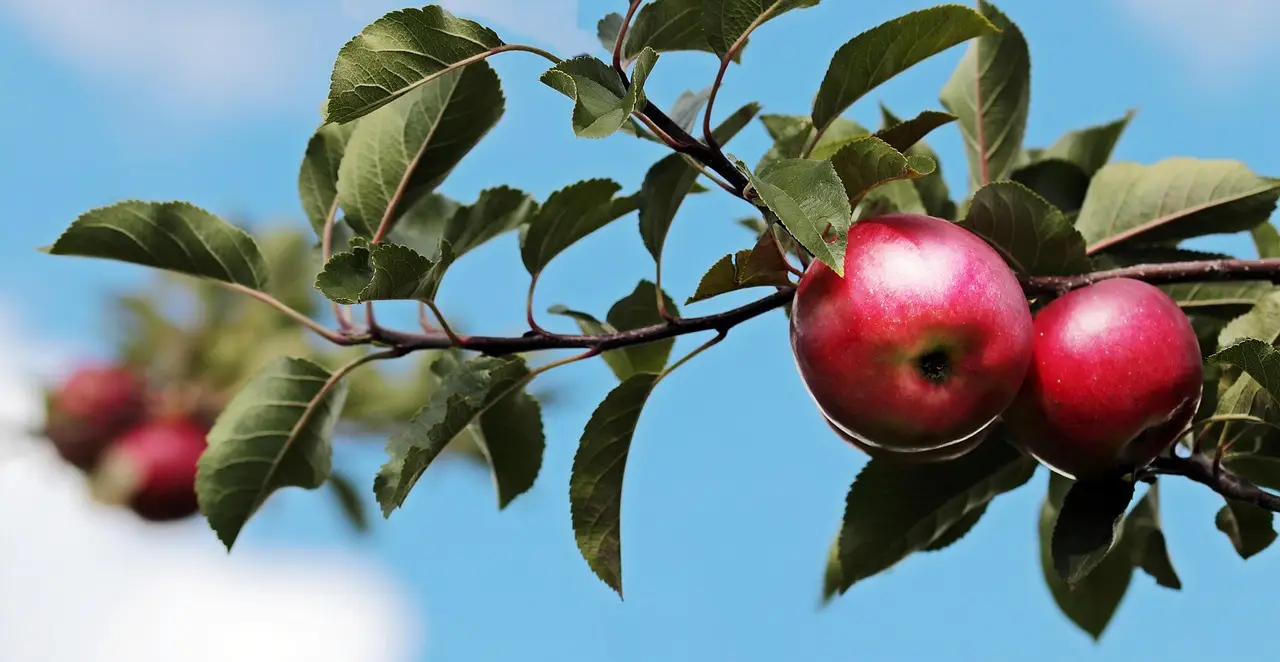
Thatchers Cider recorded its earliest harvest in the company's 122-year history this year, and the Somerset producer is now testing 3,800 trees at Myrtle Farm to find apple varieties that can survive wetter winters and longer droughts. Each 100-tree row in the experimental orchard grows a different variety, and the results could shape UK apple growing for decades.
The trials pull on a genetic bank rescued nearly 30 years ago. Managing director Martin Thatcher's father, John Thatcher, took cuttings of 458 cider apple varieties from the Long Ashton research station, a government-funded centre founded in 1903, before it closed. That collection now feeds the search for trees that resist disease and pests, crop reliably and withstand extreme weather.
"Somerset is the best county in the world for making cider. But the climate is changing," Thatcher said. "We need to be in a position where we've got the experience, the knowledge and the trees in place to deal with those changes."
Why change takes seven years
The core constraint is time. Each apple tree needs seven years to reach a fruit crop and can last 40 years, so switching varieties is a generational decision, not a seasonal one. "It doesn't happen overnight," Thatcher said.
His selection criteria are specific. He wants varieties that need fewer pesticides, blossom when spring conditions suit pollinators such as bumblebees and honeybees, and — critically — require less winter chill. Apple trees need a sustained cold period to complete dormancy so fruit buds develop properly in spring. "Last year, we probably didn't have quite enough, and some varieties are more susceptible to a lack of winter chill than others," he said.
One early winner is jonagold, a cross between golden delicious and jonathan. Orchard manager Chris Muntz Torres said it performed particularly well this year. "They've got this vigour, this willingness to grow, whatever the weather." He credits a strong root system matching the vigorous top growth.
Wildflower strips cut spray bills by up to £3,000 a hectare
Beyond variety selection, growers are cutting chemical costs with wildflower strips planted to attract insects that prey on pests such as the rosy apple aphid. Research shows the practice can save apple growers up to £3,000 a hectare every year.
Nigel Jenner, head of agronomy for tree fruit at AM Fresh UK, works with independent farmers who represent about 30% of Britain's apple-growing industry. He says roughly 70% of those growers — about 220 — have planted wildflower strips in the past five years, and the number is rising. "We know this is the way forward," Jenner said. "It works and it has a meaningful effect on your chemical input and your spray bill." He wants seed producers to develop a dedicated "orchard mix" at scale to bring prices down.
Water management is changing too. Growers now use neutron probes to measure soil water deficit and deliberately let the top 65mm of soil dry out, stressing the trees so roots grow deeper and irrigation needs fall.
Regenerated soil delivers 99.9% tree survival
At Myrtle Farm, Thatchers sows herbal leys — grasses, legumes and deep-rooted herbs such as chicory — and grazes sheep on new orchard land before planting. Thatcher says fields previously in continuous cereals or maize improve by at least 20% on all apple-growing soil metrics within three years.
The 14,000 young trees planted in this regenerated soil in March 2025 show a survival rate above 99.9% through two very dry years, according to Muntz Torres, who describes the organic matter acting "like a sponge" and apple roots following chicory's deep burrows.
Jenner's growers are also planting warmer-climate cultivars. Magic star, a firm red apple resistant to scab — the disease growers spray against every seven to 10 days — is one. Some now grow Pink Lady apples successfully. "If you'd said you were going to grow Pink Lady 10 years ago, you would have been laughed at," he said.
The next signal comes from the trial rows themselves: varieties that crop reliably over coming seasons will move into commercial orchards, with results arriving on the seven-year timeline every new planting demands.
via theguardian.com (Source)
More from Olivia Hart
Show full bio
Correspondent covering money, funding and market shifts around European hospitality industry at Eurotables Report.
136 articles
Other tables tonight
- Nº 31Tate & Lyle and BioHarvest confirm plant-based sweetener breakthroughNLOctober 12, 2026
- Nº 41Centre-Loire harvest opens 12 August as BIVC declares 2026 vintage "extraordinary"FROctober 13, 2026
- Nº 12The Wine Fusion acquires Roberson Wine, targets UK regions beyond M25FRNovember 4, 2026
- Nº 06Boojum Bets €600,000 on Swords Pavilions With 25 New JobsNLOctober 19, 2026
- Nº 10Languedoc harvest beats heat: CIVL reports 'freshness and balance'ITOctober 19, 2026