Soil degradation could drain up to €509bn from EU's next budget
Save Soil estimates soil degradation will drain €286bn-€509bn from the EU economy over the 2028-2034 budget, urging the next CAP to pay farmers for measurable soil health gains.
· 3 min at the table
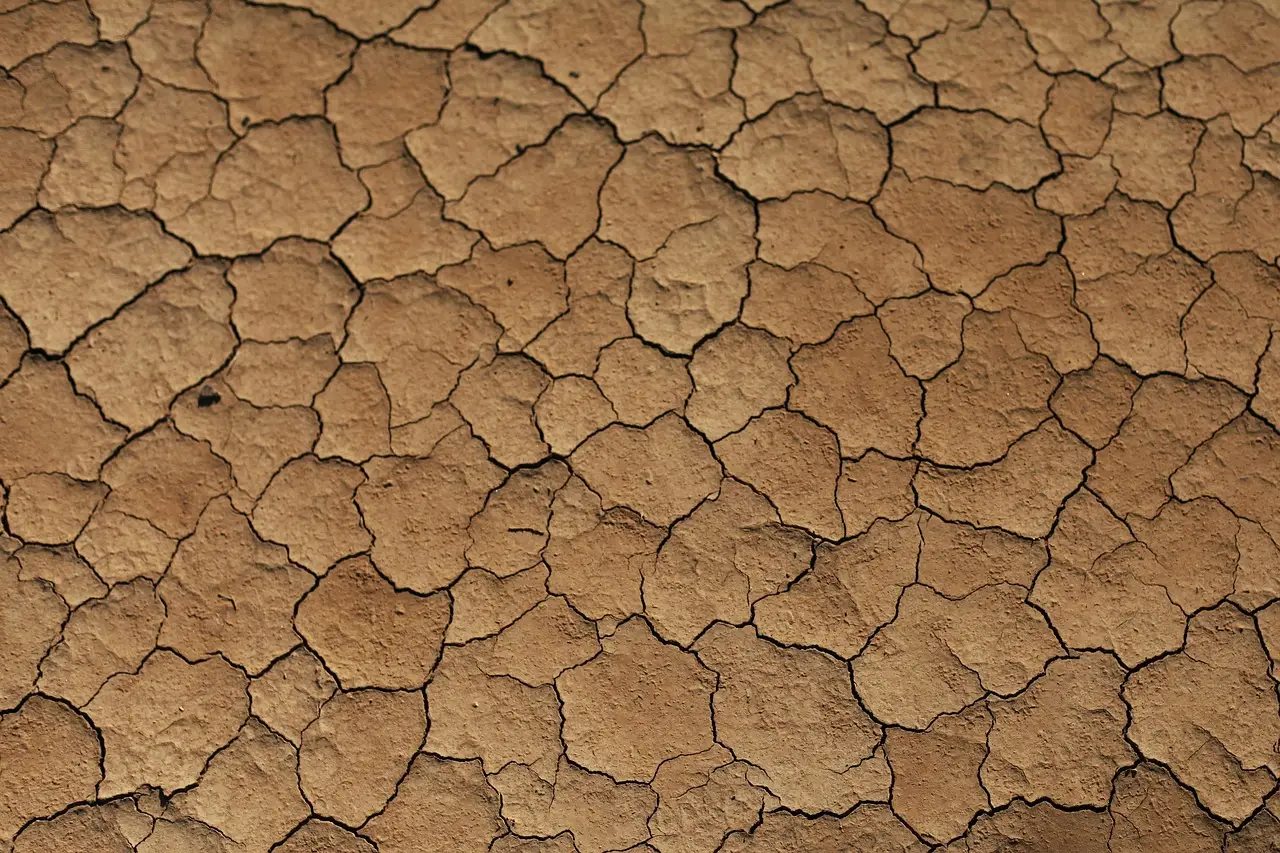
Soil degradation could cost the EU between €286 billion and €509 billion across its 2028-2034 budget if annual losses stay at today's pace, campaign group Save Soil estimated on Thursday. That is roughly €41-73 billion a year leaving the bloc's economy — a sum comparable to the entire yearly farm support package Brussels is now negotiating.
The numbers matter for food service operators because they sit at the end of fragile supply chains. The campaign's math builds on research by the European Commission's Joint Research Centre (JRC), which puts the annual cost of soil degradation in the EU at €40.9 billion to €72.7 billion. Save Soil multiplied that range by the seven years of the next long-term budget currently under discussion in Brussels.
The damage covers erosion, contamination, compaction and soil carbon losses. The JRC has warned the bill could double once biodiversity loss, floods, droughts and health effects are added.
Who is behind the numbers?
Save Soil launched in 2022 by Indian spiritual leader Sadhguru and his non-profit Isha Foundation, and pushes governments to adopt soil protection and restoration policies. Its intervention lands mid-negotiation. In July 2025 the Commission proposed ring-fencing at least €300 billion for farmers' income and crisis support from 2028. On 26 October, EU agriculture ministers agreed their joint stance on CAP rules but left funding to the wider budget talks.
Agriculture negotiations at COP31 in Türkiye ended without a meaningful outcome, with a decision pushed back to 2027.
"Europe is debating hundreds of billions in agricultural support while soil degradation is already imposing enormous costs on its economy," Rico Rau, lead author of the group's COP31 report, said in a statement.
"The next CAP should not simply compensate farmers for the pressures they face. It should help them rebuild the productive asset their livelihoods depend on," he added.
What is at stake for the food industry?
According to the Commission, 60% to 70% of EU soils are unhealthy. That weakens their ability to support farming, hold water and cope with extreme weather. Poorer soils can cut yields, raise input costs and make supply chains more brittle — a direct margin risk for Europe's food and drink sector, which turns over €1.5 trillion a year and employs 4.8 million people, according to industry body FoodDrinkEurope.
For restaurateurs, hotel F&B directors and caterers, the transmission channel is straightforward. Degraded soils mean more volatile harvests, pricier raw materials and harder sourcing conversations with suppliers already squeezed by climate extremes.
What does Save Soil propose?
The group sets out four concrete asks:
- The next CAP should pay farmers for measurable soil health gains, and reward those whose land is already in good condition.
- The Soil Monitoring Law, the EU's first soil law, which took effect in December 2025 but sets no binding restoration targets, should provide consistent evidence without duplicating measurements and paperwork.
- The EU's carbon farming certification scheme should reward verified environmental benefits.
- Public bodies should use their procurement power to secure steady demand for sustainably grown food.
The reference to procurement is notable for institutional catering. If public buyers anchor demand for sustainable produce, volume kitchens in schools, hospitals and government sites become a demand-side lever for soil-friendly farming.
"If we want to ensure food security, farming has to be lucrative," Sadhguru said in comments shared by the group, adding that governments must make farming profitable or farmers' children will not take it up.
What happens next?
The funding fight moves to the broader EU budget negotiations, where agriculture ministers have parked the money question since October. CAP rules are agreed in stance; the euros are not. With COP31's agriculture decision deferred to 2027 and the Soil Monitoring Law already live without binding targets, the next 12 months of budget haggling in Brussels will decide whether soil health becomes a paid deliverable or stays an unpaid cost on farmers' balance sheets.
via euronews.com (Source)
Filed underSoil DegradationEU BudgetCommon Agricultural PolicyFood Supply ChainsSustainable Procurement
More from Priya Raman
Show full bio
Staff writer covering companies, deals and strategy in European hospitality industry at Eurotables Report.
159 articles
Other tables tonight
- Eight EU ministers back ETS2's January 2028 start against delay callsNovember 23, 2026
- CORDIS report: Available tech can cut Europe's food-chain emissions by 2050October 10, 2026
- Nestlé and BirdLife Europe launch biodiversity monitoringOctober 30, 2026
- EU-Startups spotlights 10 European startups commercialising food wasteOctober 10, 2026
- Europe Steps Up the Fight Against Food WasteOctober 19, 2026