ESNº 43Restaurants & Dining
Over 200 Irish Restaurants Shut in 2025, Sector Data Shows
Over 200 Irish restaurants have closed in 2025, according to Hospitality Ireland's running tally, marking accelerated contraction across independent venues and chains in the Republic.
· 3 min at the table
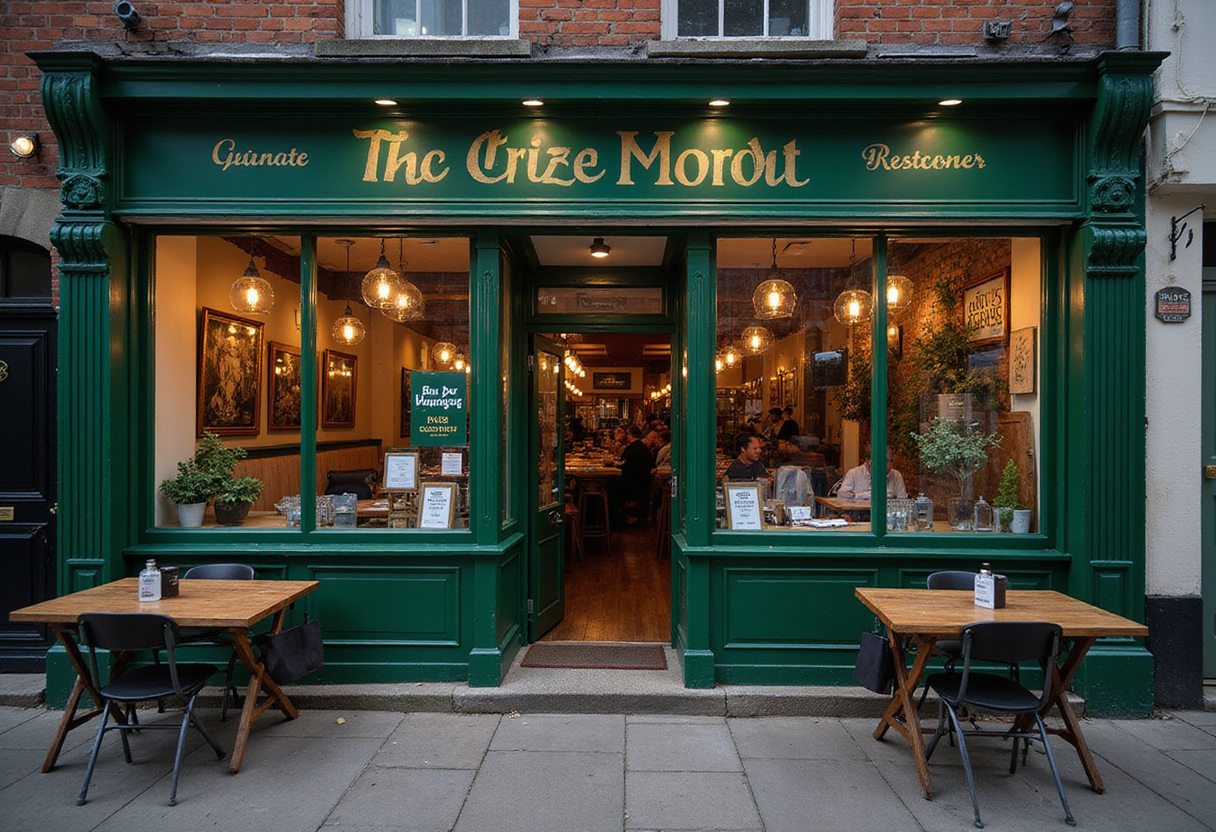
Over 200 Irish restaurants have closed during 2025, according to a running tally tracked by Hospitality Ireland. The figure positions 2025 among the most contractionary calendar years on record for Ireland's restaurant sector.
The data, compiled by Hospitality Ireland's closure tracker, counts businesses that ceased trading across the Republic of Ireland from 1 January through the publication date. The tally passed the 200 threshold in 2025, a level reached across multiple hospitality sub-sectors including independent full-service restaurants, cafés, and casual dining chains.
What does the closure count include?
The Hospitality Ireland tally aggregates venues that have shut permanently in 2025, distinguishing full closures from temporary seasonal suspensions. Tracking of this scope provides one of the few comprehensive indicators of net structural change in the Irish eating-out market, where official insolvency statistics lag real-time operating decisions.
Why does the rate matter for operators?
A closure count exceeding 200 in a single calendar year points to sustained operating stress across price points and segments. For independent operators, the data signals that closures now outpace new openings, reversing the post-2020 recovery period when restaurant start-ups accelerated.
For commercial landlords, the pace raises exposure questions on restaurant-anchored retail assets, particularly secondary high streets and suburban retail parks where eating-out tenants historically anchor footfall. Lease renegotiations and tenant replacements are likely to lengthen as available restaurant space rises.
For competing operators still trading, the contraction reshapes local market dynamics, with reduced competitor density potentially offsetting some demand-side pressure on remaining venues.
The closure pattern carries segment-specific implications. Casual dining chains and independent full-service operators typically lead contraction cycles, while quick-service restaurants and premium destination venues have historically demonstrated greater resilience. The 2025 Irish data should be read as a leading indicator of stress in the mid-market segment, where labor and ingredient cost inflation weigh heaviest on margins.
How does it fit Europe's 2025 picture?
Ireland's restaurant contraction aligns with broader patterns observed across Western European markets through 2024 and 2025, where independent and chain restaurants have absorbed cost pressures alongside subdued discretionary consumer spending.
The Irish market's smaller absolute scale amplifies proportional change. Restaurants in Dublin, Cork, Galway, and Limerick feature prominently in the closure data, affecting both independent operators and branded groups that have renegotiated lease terms or exited marginal sites.
For pan-European hospitality groups with Irish exposure, the closure rate provides a read-through on discretionary consumer resilience in a market historically sensitive to tourist volumes and urban office footfall. Operators should expect the Irish data to feed into group-level site portfolio reviews through the remainder of 2025 and into 2026 planning cycles.
What happens next?
Hospitality Ireland's tracker will continue to update through the fourth quarter of 2025, providing the leading indicator of net restaurant change in the Republic. Operators, landlords, and investors should expect further weekly additions to the closure count. The year-end total is likely to inform lease renegotiations, asset valuations, and site acquisition pipelines across Irish high streets and retail parks into 2026.
via Google News: EU VAT restaurants (Source)
More from Tom Whitfield
Show full bio
Senior reporter covering consumer brands and retail at Eurotables Report.
71 articles
Other tables tonight
- Nº 47Top Chefs Warn UK Closures Threaten Restaurants and JobsESOctober 10, 2026
- Nº 06One Quarter Of Ireland's Pubs Closed Since 2005: DIGI ReportFROctober 10, 2026
- Nº 24VFI Warns Budget 2027 Will Decide Fate of Hundreds of Rural PubsDESeptember 30, 2026
- Nº 05Ireland's Hotel Sector Outpaces Europe, Supply Policy Lags BehindITOctober 10, 2026
- Nº 32European Restaurant Spending Hits Record HighsDEOctober 10, 2026