NLNº 05Hospitality Tech
OpenAI's Businesses in ChatGPT: What Hoteliers Can and Cannot Do Yet
OpenAI's Businesses in ChatGPT beta lets firms claim free profiles, but hotel eligibility is limited and verification does not affect visibility. The analytics and product feeds matter more.
· 4 min at the table
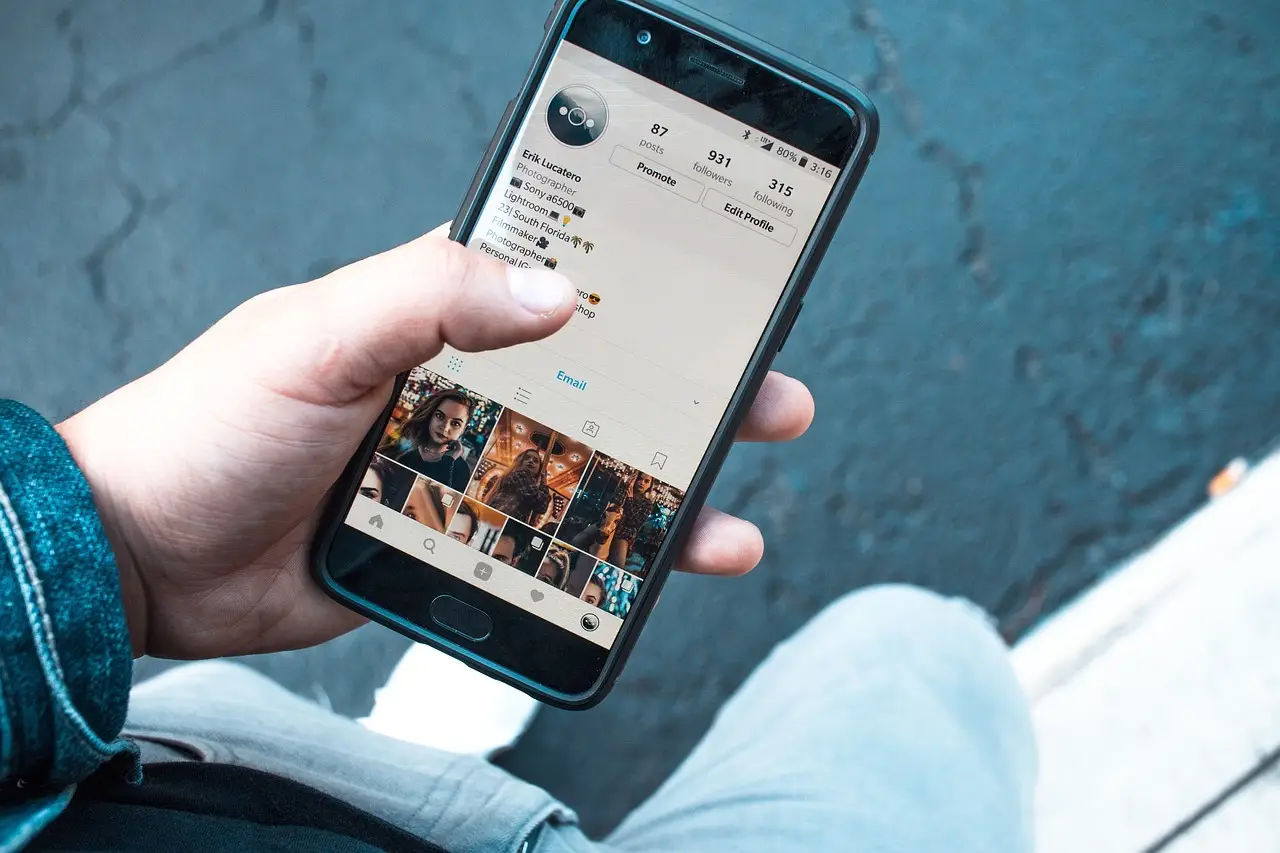
OpenAI launched the beta of Businesses in ChatGPT on November 10, 2026, and hoteliers should note the most important line in its documentation: "Claiming a profile or disputing ownership doesn't change its visibility in ChatGPT." Verification is not a ranking factor. Anyone selling ChatGPT verification as an automatic visibility boost is misrepresenting what OpenAI has built, at least according to its current documentation.
The feature, accessible through the Business Hub at chatgpt.com/business-hub, lets eligible companies claim a profile, manage their website, description, category, logo and cover image, and view a rolling 28-day analytics dashboard. Claiming is free; a standard ChatGPT account is sufficient. The product is distinct from ChatGPT Business, OpenAI's paid workspace.
What do the analytics actually show?
The dashboard reports three metrics: mentions (how often ChatGPT cites your website in answers), clicks (through to your site), and discovery topics (the themes associated with answers mentioning your business). For hospitality marketers, discovery topics is the most revealing. Does ChatGPT connect your property with romantic weekends, family holidays, wellness or business travel — and are those the associations you want?
Limits apply. Insights are aggregated, reporting thresholds suppress low-volume data, there is no export function, and no access to individual conversations.
Can hotels claim profiles today?
Mostly, no. Early tests found that searches for several hotels returned no eligible listings. OpenAI distinguishes online businesses from local establishments, with the latter particularly limited outside the United States. Hotels straddle both categories as physical premises selling through digital channels. Operators can join the waitlist now, and that is the recommended step.
The claiming process has six steps: find the property; confirm business information and accept OpenAI's terms; verify ownership by telephone, email code or DNS TXT record; complete identity checks through Persona; update the profile (descriptions around 280 characters to avoid truncation); and invite colleagues or agencies. Ownership should sit with the hotel's own account, not a consultant's personal login. For groups, claiming a corporate brand does not claim every property — each establishment requires its own process.
What can go wrong?
Verification can stall on DNS propagation or mismatched legal documents. A property may already be claimed, triggering OpenAI's dispute procedure. Insights may appear empty despite appearances in ChatGPT, because thresholds block thin data. There is no centralised multi-property administration of the kind hospitality distribution systems offer. During onboarding, one registrant reported receiving $500 in ChatGPT Ads credits — a signal that OpenAI is tying business identity to its emerging advertising ecosystem, though the offer may not extend to all businesses or markets.
Why does this look like metasearch?
Two adjacent features matter more than profiles. Business Agents would let a user open a dedicated conversation with a company's AI agent — asking about pets, connecting rooms, spa inclusions or cancellation terms — potentially guiding toward a booking. Agents are restricted to eligible US e-commerce and online services for now. Product feeds let verified businesses submit structured prices and availability; Shopify already has a catalogue integration. The hotel equivalent is availability, rates and inventory data. A CRS or booking engine feeding live ARI to ChatGPT as routinely as it feeds Google Hotel Ads is not yet possible at scale, but the concept is established.
In March 2026, OpenAI reportedly scaled back native hotel checkout in favour of partner-application transactions — an acknowledgement that the hard part is not recommending a hotel but fulfilling the reservation. That is precisely the metasearch model: influence where the customer books without owning the booking.
How would conversational metasearch differ?
Three ways. First, a conversational assistant compresses comparison into a shortlist — perhaps three Rome boutique hotels at €400 a night — so exclusion costs more than a low ranking. Second, discovery precedes price comparison; the assistant shapes which property enters consideration, which is why discovery topics matter. Third, trust becomes part of the model: OpenAI separates independent answers from sponsored content and business-agent conversations.
What should operators do now?
Fix data consistency across website, Google Business Profile and distribution listings before adding another profile. Build a conversational strategy for direct distribution. Treat mentions, clicks and topics as leading indicators alongside search and metasearch reporting, not replacements for revenue metrics. Push booking-engine and channel-manager vendors on their roadmap for conversational discovery and agent-mediated booking. Keep governance clear for DNS, identity checks and terms acceptance. Test ChatGPT Ads with measured incremental demand before shifting metasearch budgets.
The real inflexion point arrives when CRS providers supply standardised ARI data, Business Agents open to hotels internationally, and Business Hub adds booking attribution. Watch for waitlist conversions and vendor integration announcements through 2027.
via chatgpt.com (Original)
More from Priya Raman
Show full bio
Staff writer covering companies, deals and strategy in European hospitality industry at Eurotables Report.
139 articles
Other tables tonight
- Nº 30OpenAI Opens Hotel Profiles in ChatGPT as Booking.com Closures Face P2B TestNLNovember 14, 2026
- Nº 47ChatGPT Ads reaches 31 European markets: what hoteliers should test firstFROctober 19, 2026
- Nº 10AI Assistants Quote OTAs, Not Hotels: The New Pricing BattlegroundNLSeptember 30, 2026
- Nº 29OpenAI Signals Data Shows Who Uses ChatGPT to Seek Travel InformationFROctober 30, 2026
- Nº 41AI referrals to hotel sites quadruple in a year, still under 1% of visitsDEOctober 10, 2026