FRNº 12Hospitality Tech
AI answers: independent hotels eight times likelier to be unknown
Stiplo and Cloudbeds data show independents are eight times likelier to be missing from AI answers, while OTAs supply 55.3% of cited sources and chains dominate booking prompts.
· 5 min at the table
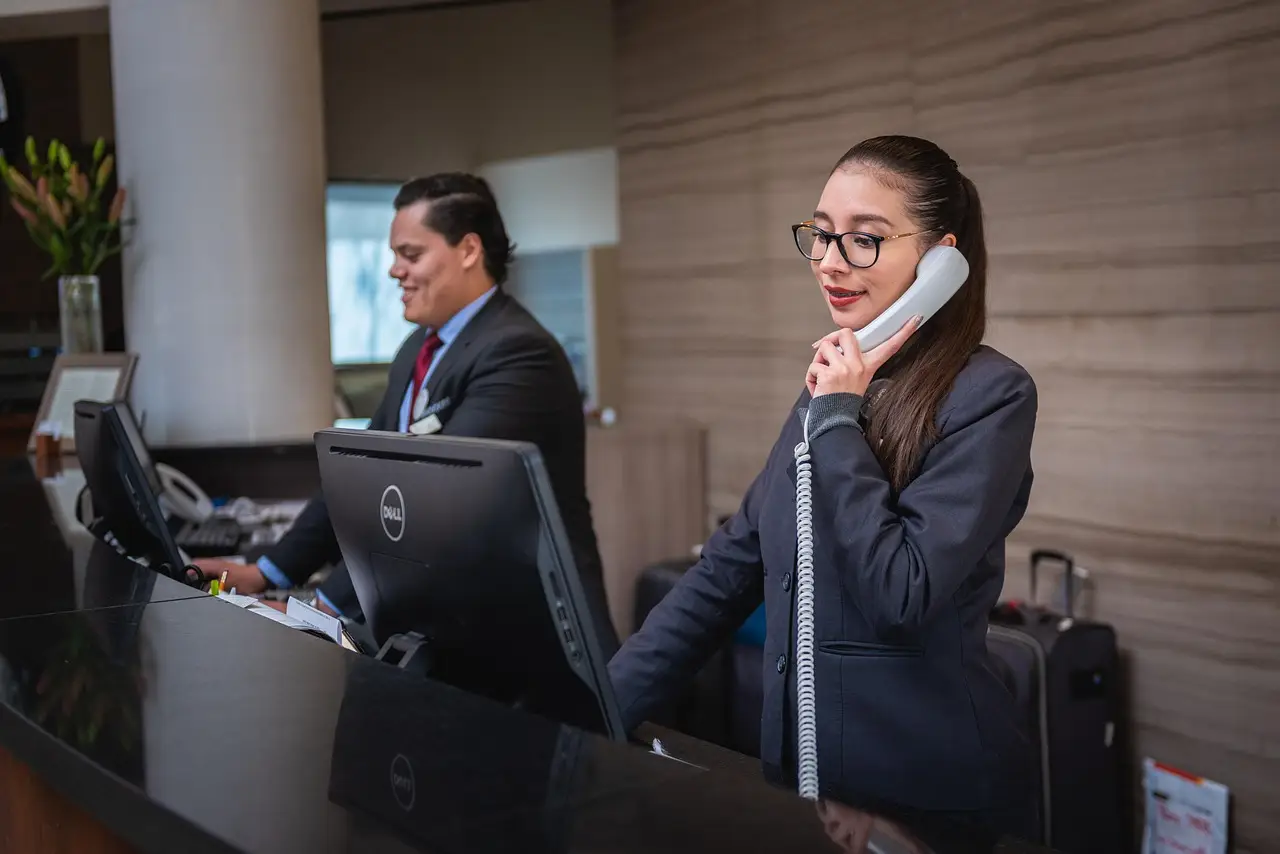
Carlo Del Mistro’s team at Stiplo found in its autumn study that independent hotels were eight times more likely than chain hotels to be completely unknown to AI travel assistants.
The analysis covered 27,360 answers from four assistants in three languages, asking each question 20 times because outputs vary between runs. The study appeared at Skift’s Data + AI Summit in London.
No AI recommended about one in five properties in any language. Roughly 20% of hotels captured more than 80% of all mentions.
Del Mistro’s team framed the gap plainly: “The problem is not the product. It is discoverability.” Once AI knew an independent hotel, it recommended it about as often as a chain.
If a hotel is absent from ChatGPT, Gemini or Google AI Mode, there is no lost booking to trace, no traffic drop to explain and no bad review to respond to. AI now sits ahead of metasearch, OTA pages and the hotel’s own website, tilting toward chains and OTAs.
Cloudbeds’ separate analysis covered 5,720 citations in AI hotel recommendations. OTAs supplied 55.3% of those sources, while property and brand websites supplied 13.6%.
In Barcelona, hotel websites supplied only about 7% of what AI said about a property, while guides and listicles supplied around 68%. The direct website and booking engine many hotels have funded for years therefore remain a minority source.
Chains have maintained the OTA listings, review platforms and editorial guides AI trusts, while many independents have left them to intermediaries.
On October 1, Google AI Mode began completing hotel bookings in the United States through ten major chains and OTAs. On the same day, Google ended its price-feed mandate, which had given independent hotels free ad visibility alongside OTA results.
Hotels without a live price feed or Hotel Ads connectivity lost presence at exactly that point. AI Mode had become a transaction channel, not just a research interface, but hotels without live inventory could not join it.
A smaller US study published October 16 asked ChatGPT, Google AI Mode and Gemini about Austin hotels 330 times. It separated discovery prompts such as “best boutique hotels” from booking prompts such as “show hotels I can book now.”
When the prompt shifted, chain hotels rose from 7% of discovery answers to 53% of booking answers. Booking.com and Expedia rose from 3–5% to 22–24%. Most independent hotels lost between 40% and 73% of their visibility.
In live-agent tests, an agent that took one hotel to checkout but failed at another did not retry and routed the traveler to a competitor. The citation gap had become a conversion gap.
AI booking volume remains small. Booking Holdings has said less than 1% of its room nights come from AI, while Bernstein estimates around 1.6% at Marriott.
Shortlists form before transactions. A substantial share of AI recommendations comes from what models remember from training and trusted sources. AI systems are building that memory in 2026 while few hotels pay attention.
Independent hotels that ignored Google in the late 2000s and OTAs in the early 2010s spent the next decade buying back visibility at commissions of 15% to 25%. AI threatens to repeat that cycle earlier in the journey and with less visible impact.
What actually moves AI visibility?
The Barcelona study found no measurable effect from tactics sold as “AI optimization”—llms.txt files, crawler settings, FAQ markup and schema packages—when used alone.
The factors that did work were more operational:
- Google review volume—the strongest single driver in the study.
- Backlinks and existing Google rankings, which AI systems already use as authority signals.
- Presence in the guides and listicles AI reads, the source of most AI hotel descriptions.
- Clear, answer-shaped content in plain language, answering guest questions about parking, accessibility, quiet rooms, distances, check-in and late arrival.
- Consistent, bookable data: accurate rates, availability and property facts across the direct site, OTA listings and feeds, so AI does not default to the most consistent third-party repository.
What should independents do this quarter?
The practical sequence for an independent hotel this quarter is operational, not technological.
- Ask ChatGPT, Gemini, Perplexity, Grok, Meta AI and Google AI Mode the questions guests ask, several times each and in main source-market languages. Record which hotels appear; they form the new competitive set.
- Make reviews a weekly KPI built into checkout, post-stay messages and the front-desk routine.
- Identify and pitch the local listicles and travel articles AI repeatedly cites for the destination, and earn a place in them.
- Fix price-feed and booking connectivity. If rates are not in the feed, AI cannot show them; an OTA’s rates will fill the gap.
- Add AI tools last. Guest messaging, voice agents and booking assistants amplify a hotel guests can already find; they do not repair invisibility.
The strategic mistake is to start with “What is our AI strategy?” The measurable question is: “When a guest asks AI where to stay in our city, is our hotel in the answer—and if it is, can AI book it directly?” If nobody in the building can answer, the property has no measured AI distribution position.
For investors, watch citation share, appearance in booking prompts and live-rate readiness before direct conversion moves. The next checkpoint comes this quarter: rerun the same prompts, log weekly review gains, confirm rates remain live and test checkout. Hotels that measure visibility while shortlists form can still catch this shift early, even with current low booking volumes.
via booking.com (Original)
More from Priya Raman
Show full bio
Staff writer covering companies, deals and strategy in European hospitality industry at Eurotables Report.
139 articles
Other tables tonight
- Nº 17Barcelona Study: Independent Hotels 8x More Likely Invisible to AIDEOctober 19, 2026
- Nº 41AI referrals to hotel sites quadruple in a year, still under 1% of visitsDEOctober 10, 2026
- Nº 09Hotel Websites Supply Just 7% of What AI Says About a PropertyNLOctober 30, 2026
- Nº 28Google's AI Mode books hotels through 10 chains and OTAsESOctober 19, 2026
- Nº 03AI Sends Hotel Guests to Direct Sites Free — For NowNLOctober 12, 2026