DENº 27Hospitality Tech
OpenAI Buys Licensed AI Travel Agent Odessia as Hotels Debate Access
OpenAI bought IATA-accredited AI agent Odessia after 27 days live, dropping Expedia 5%, as hotels weigh access policies over bans and a €5 climate cost per night.
· 4 min at the table
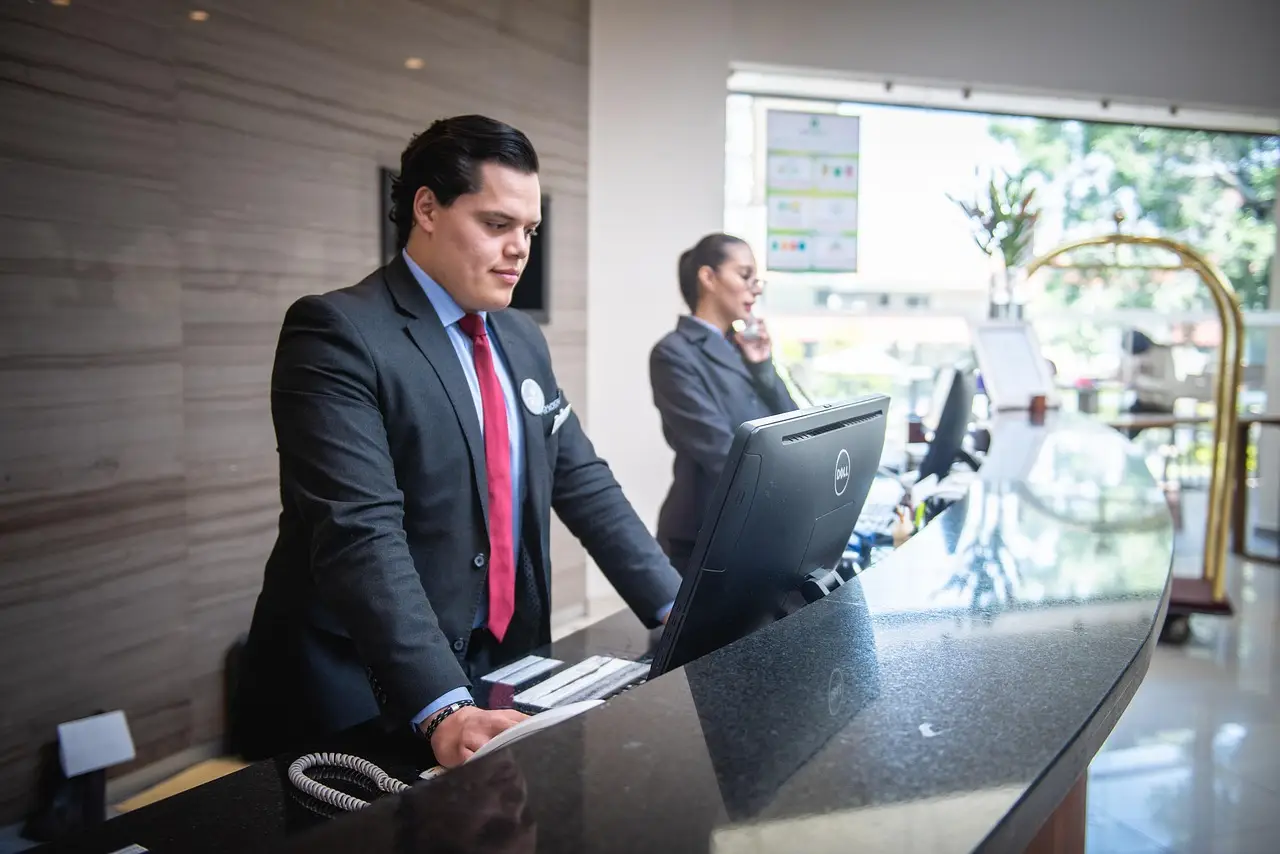
OpenAI acquired Odessia, an IATA-accredited AI travel agent that had been open to the public for just 27 days, sending Expedia shares down as much as 5% on the report. Odessia launched on October 14; on November 10 founder Francis Davidson, who co-founded Sonder, announced the sale. Neither side disclosed a price, and OpenAI has announced no travel product.
Why does the license matter?
Markus Busch's analysis centres on the accreditation. Booking.com and Expedia hold their seat inside ChatGPT because OpenAI needs someone to complete the sale; a company with its own agency accreditation needs them less. Odessia was a free AI concierge accredited by IATA as a travel agent, which gave it agency rates and perks, and it wrote its own guides to hundreds of thousands of hotels.
Busch also notes that Nuitée, a B2B supplier, ran Odessia's hotel bookings, so a room could reach an independent hotel at a rate it once gave a wholesaler. The piece follows his Tuesday analysis of why agents are still booking almost no rooms.
Should hotels ban AI agents?
At the Skift Commerce Summit on November 11, MCR's Tyler Morse said he wants to ban AI agents from booking his hotels because they make rational decisions and are bad for upsell — then admitted he could not work out how. Terence Ronson of Pertlink says the diagnosis is right and the prescription wrong: shut the front door and the agent comes round the side through an OTA, and the hotel could pay commission twice.
Ronson proposes:
- An agent access policy instead of a ban
- Liability for an agent's mistakes written into contracts
- Double commission modeled in the 2027 budget
- Upsell rebuilt as structured offers an agent can accept
Agoda's 2027 Asia Travel Pulse finds 53% of travellers planning with AI but only 7% willing to let it book, which Ronson reads as "a deadline, not as permission to wait."
Should a hotel night carry its €5 climate cost?
As COP31 meets in Antalya, the World Panel on Sustainability asks whether the carbon cost of a hotel night should appear on the bill. A night in a typical European midscale hotel causes around 5 kg of CO₂e from energy use alone, and an upper-upscale night around 14 kg, according to the Cornell Hotel Sustainability Benchmarking Index cited in the question. At the German Federal Environment Agency's conservative rate of €350 per tonne, that is roughly €2 of unpaid climate damage per midscale night and €5 per upper-upscale night.
Hotels already pay for wastewater and waste, so why is carbon still almost free? The panel has explored regulation and personal carbon allowances before; its common thread is that voluntary action has limits. Three questions follow: should the cost of emissions become visible and payable in hospitality, who should carry it, and what should the money fund?
Is luxury confusing prestige with performance?
Pablo Guevara argues that luxury hospitality has built its own aristocracy of invitation-only gatherings and awards, where spectacle sometimes outweighs substance. The most expensive mistakes, he writes, happen before the first guest arrives, when nobody asks whether demand is realistic, distribution costs are sustainable or the investment makes commercial sense. His point: visitor arrivals are not room nights, visibility is not conversion and occupancy is not profitability. "The problem isn't the champagne. The problem begins when nobody wants to discuss the numbers after the champagne is gone."
What did the Otelier summit signal?
Operators at Otelier's customer summit say "everything is finance." Chris Sigala reports that 25 hotel operators expect a hard 2027, with real GOPPAR still 20% below 2019, and want operational consoles instead of dashboards and AI that redesigns work with guardrails. Otelier is a hotel technology vendor.
Other findings:
- Muhammad Haroon Shoukat's research with 440 Meituan guests finds the clarity and usefulness of booking platform information shape engagement, perceived value and brand advocacy.
- Shep Hyken says small customer losses compound: preventable churn forces businesses to win ever more new customers just to stand still, making it far costlier than it looks.
- David Neddam argues written, enforceable spa standards keep quality consistent, make team culture fairer and help wellness businesses survive staff turnover.
- The Menhaden earned its third consecutive MICHELIN Key; Meyer Jabara Hotels credits the Greenport, N.Y., property's stable team, personalized service rituals and annual refinements.
People and properties
Boris Messmer becomes Managing Director at The Chancery Rosewood in London, effective February 1, 2027, succeeding Michael Bonsor. Roberto Castro, a nine-year PGA Tour veteran, joins Omni Hotels & Resorts as Vice President of the Omni Golf Collection, spanning 13 golf resort destinations and 28 courses.
The Hari London, Vignette Collection, opened in Belgravia with IHG Hotels & Resorts. Elysée Hotel New York announced its reopening after a complete transformation, and Palm Beach Marriott Singer Island Beach Resort & Spa unveiled its renovations.
OpenAI's next move in travel remains undisclosed; hotels' agent access policies and 2027 commission budgets will show whether the industry chooses the bouncer over the wall.
via Hospitality Net (Source)
More from Elena Vasquez
Show full bio
News editor covering regulation, policy and their impact on European hospitality industry at Eurotables Report.
155 articles
Other tables tonight
- Nº 10AI Assistants Quote OTAs, Not Hotels: The New Pricing BattlegroundNLSeptember 30, 2026
- Nº 38Marriott, IHG, Accor and Choice Let AI Agents Reach CheckoutFROctober 19, 2026
- Nº 09Hotel Websites Supply Just 7% of What AI Says About a PropertyNLOctober 30, 2026
- Nº 14OTAs and AI Agents Capture Hotel Upsell Margin Before Hotels Reach GuestsESOctober 10, 2026
- Nº 12AI answers: independent hotels eight times likelier to be unknownFRNovember 16, 2026