DENº 15Food & Beverage Trade
FoodNavigator marks Brexit decade with 10-point F&B impact review
FoodNavigator.com has published a ten-point retrospective titled 'A decade of Brexit: 10 major impacts on F&B,' timed to the tenth anniversary of the June 23, 2016 referendum that produced a 51.9% leave vote.
· 3 min at the table
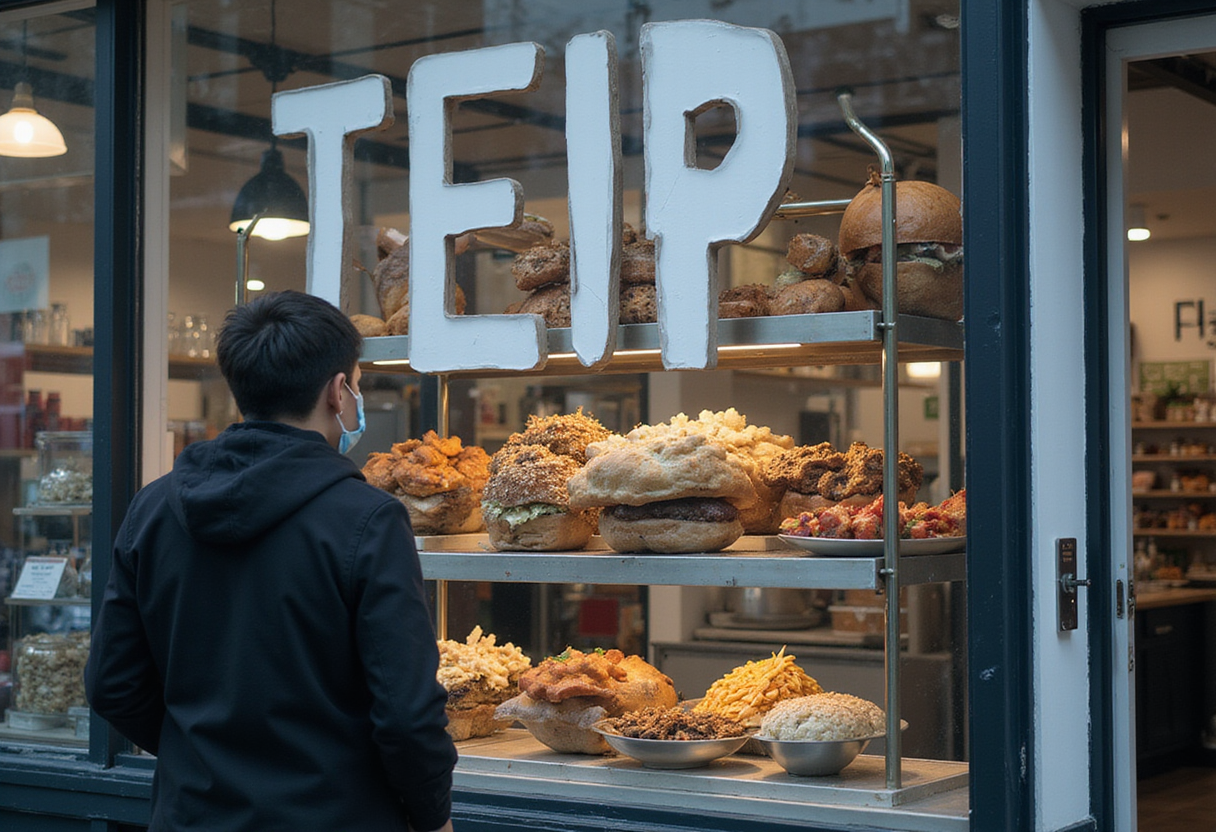
FoodNavigator.com has published a ten-point retrospective on UK food and beverage sector impacts, timed to the tenth anniversary of the June 23, 2016 referendum that produced a 51.9% leave vote.
The article, titled "A decade of Brexit: 10 major impacts on F&B," catalogues regulatory, supply-chain, labour and cost changes that have hit UK operators since the leave result. FoodNavigator, the William Reed-owned trade title covering European food industry news, frames the piece as an operator-facing reference for hospitality businesses still trading under post-transition conditions.
What does the retrospective cover?
The decade scope runs from the immediate 2016-to-2020 referendum-to-transition period through the post-transition environment established after December 31, 2020. The UK formally withdrew from the EU on January 31, 2020, following the December 2019 general election.
The 10-point format spans impacts across the F&B value chain. The full FoodNavigator article details the specific items.
Why does this matter for European hospitality?
UK operators remain the most exposed to Brexit-related F&B friction, given supply-chain integration with EU partners. Continental European hospitality businesses sourcing UK imports — particularly fresh produce, dairy and meat categories — face continued customs paperwork and certification overheads that began on January 1, 2021.
Sector trade bodies including the Food and Drink Federation (FDF) and UKHospitality have repeatedly called for closer UK-EU alignment on food standards to ease border friction. The retrospective lands as those sectoral demands continue.
For investors, the decade stocktake serves as a benchmark document for UK-listed hospitality groups including Compass Group, SSP Group and Whitbread, all of which have addressed post-Brexit cost and labour effects in annual filings since 2021. Those filings have flagged EU worker departures from UK hospitality roles, persistent vacancy rates above pre-2020 levels, and imported input cost inflation tied to customs overheads.
What is the current UK-EU regulatory picture?
UK-EU negotiations continue on sanitary and phytosanitary (SPS) arrangements, dynamic alignment provisions and Northern Ireland protocol implementation. These unresolved frictions remain a live operational concern for F&B operators moving chilled and ambient goods across borders.
The European Commission and the UK Department for Environment, Food and Rural Affairs (Defra) maintain ongoing technical work on equivalence recognition. Operators have seen no comprehensive SPS agreement since the Trade and Cooperation Agreement took effect on January 1, 2021, leaving export health certificates and physical checks in place for most UK-EU food movements.
Sterling volatility linked to Brexit negotiations has shaped input costs for UK operators since 2016, with the pound falling sharply after the referendum result. Hospitality groups importing EU-sourced wines, spirits and ingredients have absorbed related cost swings through menu pricing and supplier renegotiation.
What happens next?
UK-EU SPS negotiations remain ongoing under the Trade and Cooperation Agreement framework, with periodic reviews built into the existing deal. Operators should expect continued reporting on alignment progress and any further regulatory divergence affecting food trade between the UK and the EU through 2026.
via Google News: EU hospitality regulation (Source)
More from Elena Vasquez
Show full bio
News editor covering marketplaces and e-commerce at Eurotables Report.
91 articles
Other tables tonight
- Nº 29UK-EU trade deal: what it means for UK hospitalityFRSeptember 29, 2026
- Nº 46Michelin chef exits UK for overseas venues, citing tax-driven survival threatDEOctober 10, 2026
- Nº 02CORDIS report: Available tech can cut Europe's food-chain emissions by 2050FROctober 10, 2026
- Nº 41Tory plan to scrap UK-EU food deal risks 'huge uncertainty'FROctober 9, 2026
- Nº 39Europe ramps up food-industry pressure on obesityDEOctober 10, 2026