ESNº 14EU Policy & Regulation
EU postpones vote on Brazilian chicken ban despite clean audit
EU member states delayed a vote on lifting the Brazilian chicken import ban until early December, demanding clarity on Brazil's antimicrobial compliance despite a positive September audit.
· 2 min at the table
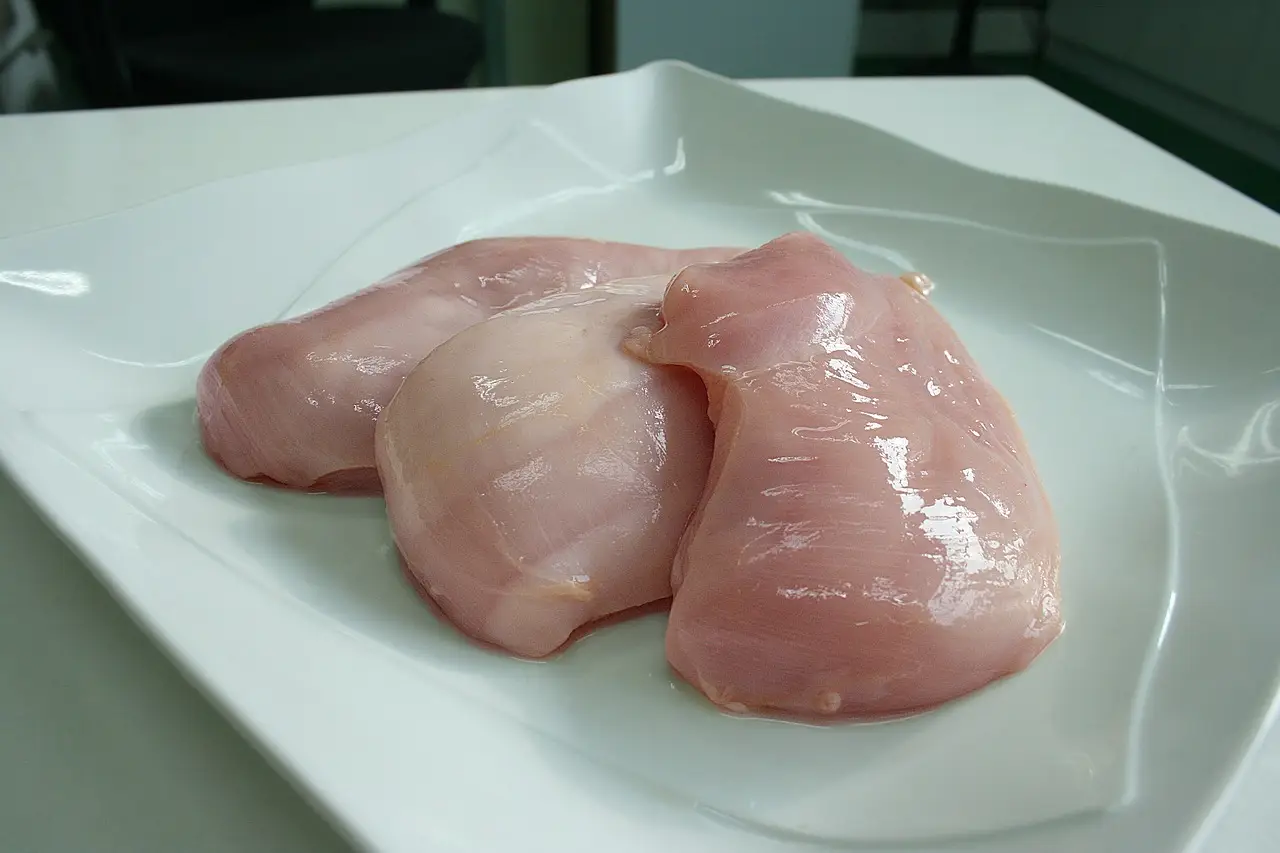
The 27 EU member states postponed Tuesday's vote on lifting the ban on Brazilian chicken imports after several countries demanded clarification from the European Commission on Brazil's compliance with EU antimicrobial rules.
The delay comes despite an EU audit in early September that found Brazil's poultry control system operating effectively. The ban itself, covering beef, poultry, eggs and honey, took effect in September following a vote by national experts in May. It was triggered by Brazil's use of antimicrobials to stimulate animal growth.
"A number of Member States requested further clarifications on the system put in place by Brazil," Commission spokesperson Eva Hrncirova said. The Commission will now "take the time to address these comments and questions" before a new meeting in early December.
Why does the ban matter to operators?
The standoff lands months after the contentious Mercosur trade deal with Latin American countries provisionally entered into force, opening trade in agricultural products including Brazilian meat. Brasilia reacted angrily to the ban, which it sees as undermining a deal only just implemented.
For European food service operators and wholesalers, the outcome shapes poultry supply and pricing. The Mercosur agreement caps tariff-free poultry access at 180,000 tonnes a year, or 1.3% of EU output. Beef imports are limited to 99,000 tonnes annually at a reduced 7.5% tariff — roughly 1.5% of EU production.
Who is pushing back, and why?
France leads several member states strongly opposed to the Mercosur agreement, signed in January this year. EU farmers fear dumping from the four signatories — Argentina, Brazil, Paraguay and Uruguay — citing lower production standards, particularly on health and phytosanitary rules.
The quota caps on sensitive agricultural products were written into the deal to answer those concerns. Ratification, however, remains stalled: the European Parliament referred the agreement to the Court of Justice of the European Union over questions about its legality.
Under pressure from Mercosur countries and EU backers of the deal, notably Spain and Germany, the Commission decided in May to provisionally implement the agreement pending the court's ruling.
What is not settled
The Commission has not published the audit's full findings in Tuesday's discussion, nor has it detailed which member states asked the questions or what specifically they want clarified about Brazil's antimicrobial system. A clean audit plus a postponed vote signals that technical findings and political appetite are moving at different speeds.
The timing also matters. A December decision would arrive as the Court of Justice weighs the deal's legality, meaning any lifting of the chicken ban could still be overtaken by the broader legal process.
The Commission now prepares its clarifications for the early December meeting. If member states accept them, the vote could reopen EU doors to Brazilian poultry within the 180,000-tonne annual cap; if not, the ban stays and the Mercosur friction deepens.
via euronews.com (Source)
More from Grace Kim
Show full bio
Market editor covering companies, deals and strategy in European hospitality industry at Eurotables Report.
137 articles
Other tables tonight
- Nº 05European poultry sector calls for food security to be treated as securityDEOctober 10, 2026
- Nº 30EU Council and Parliament strike safeguard deal for Mercosur agri-food importsDEOctober 10, 2026
- Nº 36Veggie 'Burger' Ban May Hit UK Operators Under EU Trade DealNLOctober 10, 2026
- Nº 37UK drops foie gras import ban to clear path for EU food trade dealFRNovember 18, 2026
- Nº 21Parliament Magazine: EU must overhaul food system to stay competitiveFROctober 10, 2026