DENº 34EU Policy & Regulation
EU P2B Regulation limits Booking.com's right to terminate hotel accounts
EU P2B rules force Booking.com to justify terminations, give 30 days' notice and prove proportionality — real leverage for hotels facing sudden account closures.
· 4 min at the table
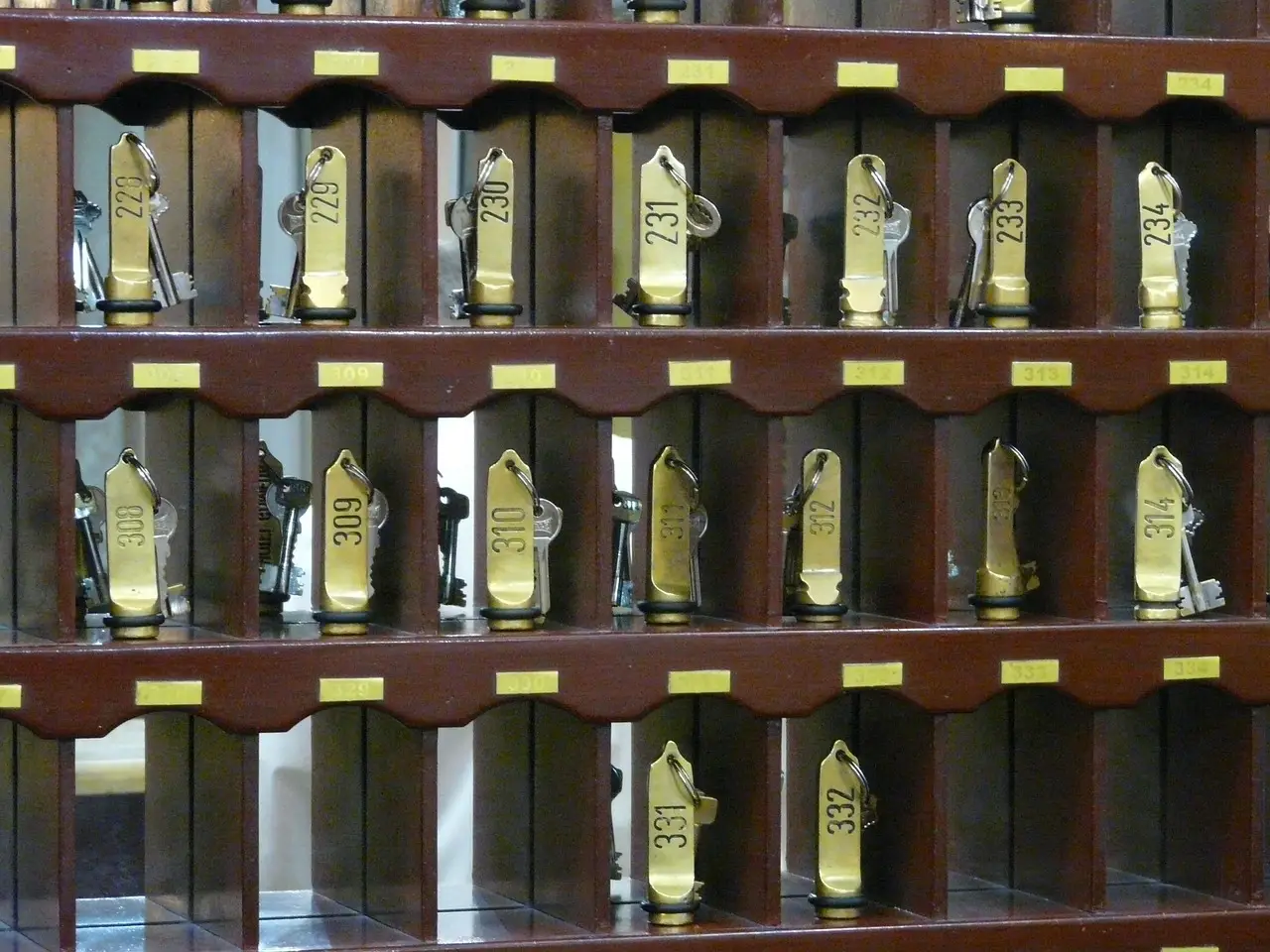
Booking.com cannot terminate a hotel partner account without citing clear grounds, giving at least 30 days' notice in most cases, and proving that closure is a proportionate response. Those obligations come from the EU Platform-to-Business (P2B) Regulation, and they give hotels real leverage when the platform acts unilaterally.
For most hotels, the consequences of termination are immediate. The property disappears from Booking.com, reservations dry up and daily operations take a hit. Because Booking.com is a sales channel that cannot easily be replaced, many hotels depend on it heavily. That dependency is exactly why European lawmakers restricted the platform's freedom to close accounts.
When can Booking.com terminate a hotel account?
Four conditions govern any termination:
- Breach of the rules. Booking.com must set out clear rules in its terms and conditions and demonstrate that the hotel broke them.
- Notice period. At least 30 days, with limited exceptions.
- Reasons. Every closure must be justified.
- Proportionality. A minor breach cannot automatically trigger permanent closure.
The takeaway: an unexplained, out-of-the-blue closure is usually not lawful.
What does the General Delivery Terms clause actually require?
Under Article 3(1)(c) of the P2B Regulation, Booking.com must list in its terms and conditions every ground on which it can terminate. Those terms must be written in clear, comprehensible language, so a partner can reasonably foresee the consequences of its actions. Vague or non-specific wording is not permitted, and unclear terms are void.
The contract is governed by Booking.com's General Delivery Terms (GDT), which also incorporate everything published on the extranet. That creates a practical problem: the extranet materials can be amended at any time and sit scattered across the platform, so tracking exactly which requirements apply is difficult.
Articles 7.2 and 7.3 of the GDT list the closure grounds, running from "breaching the agreement" to review manipulation, commission avoidance and non-payment of invoices. But listing grounds is not enough. Booking.com bears the full burden of proof. It cannot rely on plausibility or strong suspicion — it must demonstrate an actual breach. That gap is where hotels often find room to challenge a termination.
Why does the 30-day notice period matter so much?
Article 4(1) of the P2B Regulation requires a 30-day notice period, during which the partner can challenge the termination or clear up ambiguities. Many terminations are imposed unilaterally, without the hotel owner ever presenting their side.
There is one significant exception: for repeated breaches, Booking.com may terminate with immediate effect. In practice, the source notes, Booking.com regularly misuses this exception to close accounts on the spot, cutting off revenue instantly. The partner then faces a fait accompli — legal action typically takes longer than 30 days, so the notice-period right offers little comfort once the account is already dark. Hotel owners should assume a closure can arrive suddenly.
What must a statement of reasons contain?
Article 4(1) also obliges Booking.com to give reasons for a closure. Those reasons must include the specific facts and circumstances behind the decision, plus relevant third-party reports such as guest complaints or negative reviews. The detail must be sufficient for the partner to verify the decision and judge whether a challenge is worthwhile.
In practice, Booking.com often gives limited reasoning and merely points to the provision allegedly breached. That makes it hard for hotel owners to respond effectively, and it may reflect a desire to protect internal control processes. There is no quick legal remedy to force fuller disclosure, and every day spent waiting for an explanation deepens the revenue loss. A practical first step: run an internal self-assessment for a likely cause — a dissatisfied guest, a negative review or a payment issue.
Is closure always proportionate?
Under Dutch law, contracting parties must act reasonably and fairly towards each other. Not every breach of the GDT can justify closure. Because closure can cost a hotel substantial revenue, a minor breach leading to permanent termination would be unreasonable.
Closure is a measure of last resort. Before closing an account, Booking.com must demonstrably consider softer options: a temporary suspension, partial withdrawal of services, a warning, additional arrangements or a lower ranking. Proportionality also depends on circumstances — a breach that caused no harm to the platform or the guest, or where the guest was compensated, weakens the case for closure. An intentional breach strengthens it. Partnership duration, average revenue and the hotel's dependence on Booking.com all count.
What happens next?
Hotels that understand these four protections — grounds, notice, reasons and proportionality — can successfully challenge closures. The source announces a follow-up piece setting out the practical steps a partner should take after a termination, which is where operators should watch next.
via booking.com (Original)
More from Olivia Hart
Show full bio
Correspondent covering money, funding and market shifts around European hospitality industry at Eurotables Report.
136 articles
Other tables tonight
- Nº 11Booking.com tells regulators Europe's hotels don't depend on itDEOctober 10, 2026
- Nº 40Booking.com Subject to EU Gatekeeper Law That Fined Google Since 2024ITOctober 10, 2026
- Nº 44Over 10,000 European Hotels File Collective Action Against Booking.comDEOctober 10, 2026
- Nº 27Dutch Hotels Prepare Damages Claims Against Booking.com Over Price ClausesNLOctober 10, 2026
- Nº 47Minor Hotels Europe & Americas to delist from stock exchange by H1 2025FROctober 10, 2026