NLNº 03Food & Beverage Trade
El Niño Forces Kellanova to Rework Rice Krispies Recipes in Europe
Kellanova is dropping whole rice grains from European Rice Krispies and Coco Pops as the strongest El Niño on record and 1.5°C warming disrupt rice supplies ahead of COP31.
· 3 min at the table
Kellanova, the UK producer of Kellogg's cereals, has confirmed that Rice Krispies and Coco Pops sold in the UK and Europe will no longer be made with whole rice grains, after what the company calls "changing weather" degraded the quality and availability of its rice supply.
The company will switch the recipes to corn flour and rice flour. A spokesperson said last week the change would help "maintain consistent quality at a time when changing weather conditions are affecting the quality and availability of some of the rice and grains used in our cereals."
For now, the reformulation applies only to the UK and Europe. US and Canadian consumers keep the original whole-grain product.
What is driving the rice shortage?
The disruption traces back to El Niño, the natural weather pattern triggered when sea temperatures in the eastern Pacific rise to unusually high levels, destabilising weather systems worldwide.
Scientists have warned of its impact throughout 2026. This event – described by meteorologists as a "Godzilla" or "Super" El Niño – is the strongest and warmest in recorded history. Sea temperatures have already exceeded 3°C in parts of the Pacific and are likely to peak higher still, according to the World Meteorological Organization.
Climate change is amplifying the damage. Copernicus, the EU's climate monitoring service, reports that 2026 is "virtually certain" to exceed 1.5°C above pre-industrial levels, making it the second calendar year to do so after 2024.
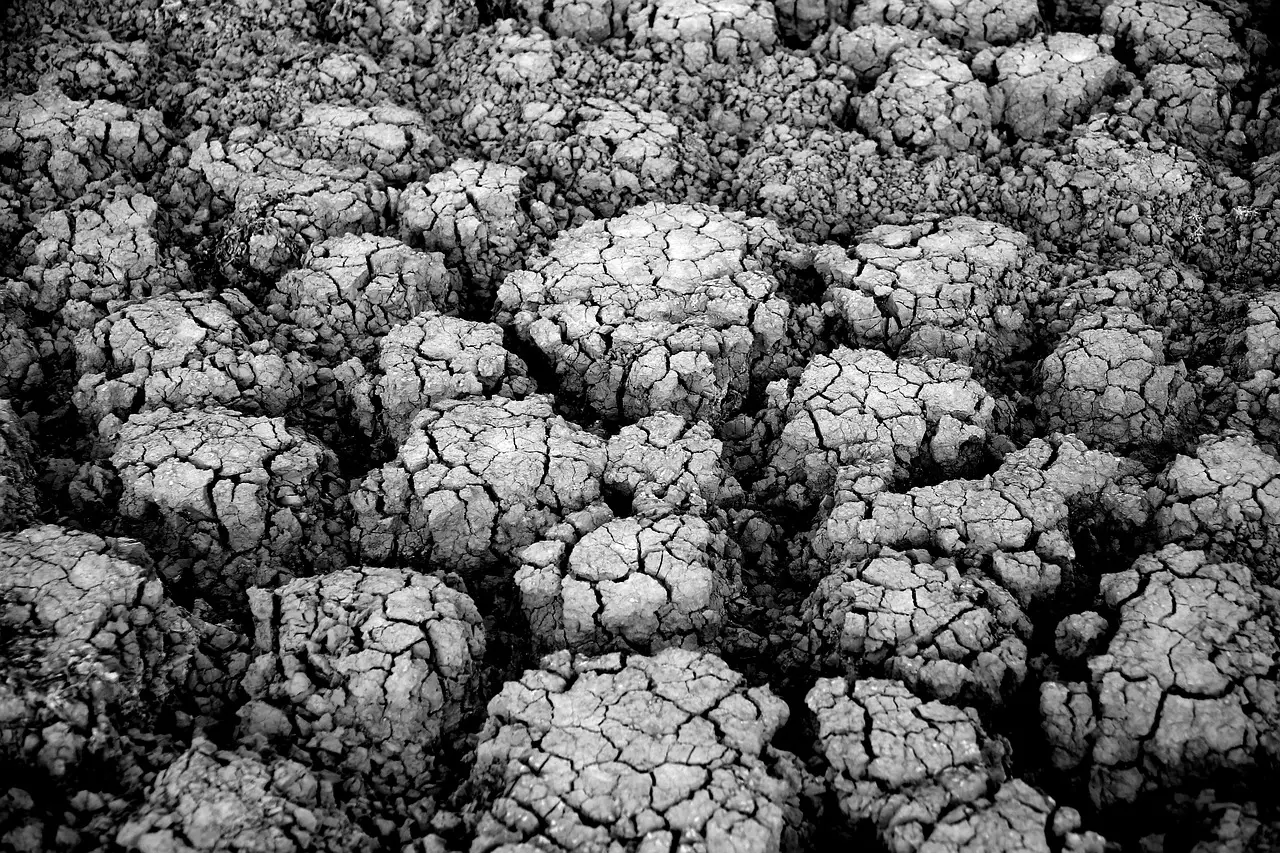
That record heat and moisture is fuelling drought in some regions and torrential rain in others. The effects are already visible:
- Drought in El Salvador has left cattle starving for lack of grass.
- Severe floods have hit Argentina, Paraguay, Uruguay and Chile.
- Indonesia is enduring its worst wildfire season since 2015, blanketing much of Southeast Asia in toxic haze.
Why does this reach European supermarket shelves?
The IHE Delft Institute for Water Education in the Netherlands has warned that El Niño-driven disruptions to staples such as corn and beans could put global food security at risk. Analysts at the institute also flag coffee, cocoa, sugar, palm oil and rice as exposed commodities.
Rice faces particular pressure across South and Southeast Asia, where severe water shortages and high temperatures are compounding already disrupted growing patterns. According to the FAO, fertiliser prices inflated by the war in Iran have pushed farmers to cut back on rice crops this year – a staple more than half the world's population relies on, not just Kellogg's.
The downstream consequence for European operators is a widening exposure of breakfast and bakery supply chains to climate volatility in exporting regions. Kellanova's reformulation is the first visible sign of that pressure in a mainstream branded product.
How have consumers reacted?
Consumers have taken to social media to complain that their Rice Krispies no longer deliver the signature crackle. Some suggest the ingredient change has altered quality, despite Kellogg's assurances that the cereal is unchanged.
The flat Krispies are, however, only a fraction of what El Niño could mean for European supermarkets beyond the cereal aisle.
What does COP31 change?
The summit opens today, 9 November, in Antalya, Türkiye, with a dedicated day on agriculture and food systems. The mounting pressure on harvests worldwide puts food security formally on the agenda.
COP31 will test whether governments commit more funding to protecting food supplies – or whether the crunchless Rice Krispies mark the first in a series of deeper disruptions to European food sourcing, pricing and menu engineering over the next 12 months.
via euronews.com (Source)
More from Elena Vasquez
Show full bio
News editor covering regulation, policy and their impact on European hospitality industry at Eurotables Report.
155 articles
Other tables tonight
- Nº 04Kellogg's drops whole rice from Rice Krispies and Coco Pops in EuropeESNovember 6, 2026
- Nº 41Plant-Based Food Hits $6.6 Billion as Category Outgrows Trend StatusITOctober 30, 2026
- Nº 40Hacked supermarket fridges expose 'vintage' infrastructure risk, Cisco warnsDENovember 18, 2026
- Nº 41Tory plan to scrap UK-EU food deal risks 'huge uncertainty'FROctober 9, 2026
- Nº 07RaboResearch Warns European Food Prices Will Keep Climbing to 2027ITOctober 10, 2026