NLNº 04Food & Beverage Trade
Edonia raises €15m to scale microalgae protein ingredient Edo
Edonia has closed a €15m funding round to industrialise its spirulina-derived protein Edo, with €30m in pre-orders secured across 20 contracts and B2B foodservice expansion planned for Europe, Japan and the US.
· 3 min at the table
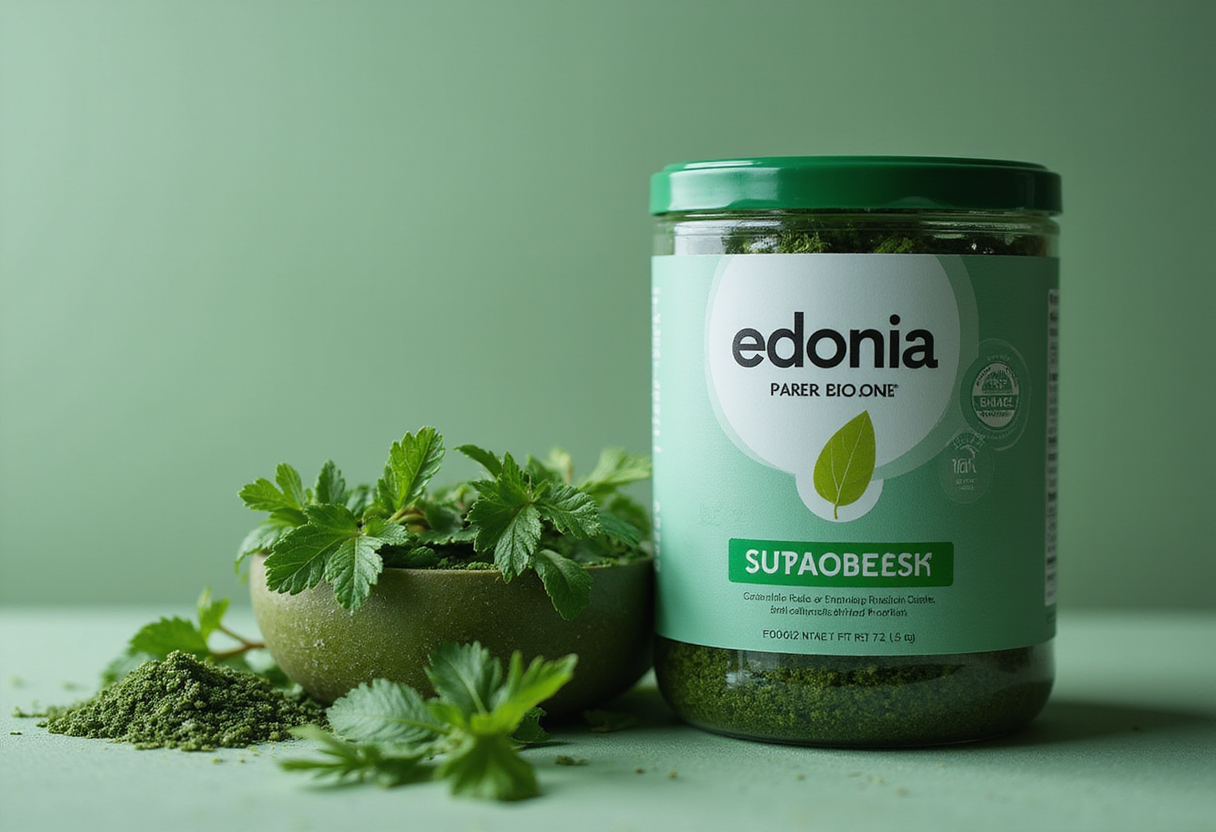
Edonia, a French food-tech start-up, has closed a €15 million funding round to industrialise its microalgae-based protein ingredient Edo, with the company already holding €30 million in pre-orders across roughly 20 industry contracts.
The funding structure breaks down as follows:
- Equity led by Swen Blue Ocean 2, Asterion Ventures and EIT Food
- Non-dilutive funding from Bpifrance under the France 2030 plan
- Bank financing
What is Edo?
Edo is a whole-food protein Edonia derives from spirulina through its patented Edonization technology, co-developed with AgroParisTech. The ingredient substitutes for animal-derived proteins such as meat, cheese and seafood, and can also lift the nutritional profile of everyday foods. EIT Food puts the ingredient's carbon footprint at up to 27 times lower than meat.
The format matters: Edo arrives as a tender grain rather than a powder requiring hydration, binding and flavour masking. For menu engineers and central kitchens, that removes a layer of formulation work that has historically slowed the rollout of plant-based menus.
Why does the €15m matter for European hospitality?
Hospitality and food-service operators across Europe face sustained pressure on protein procurement costs and on emissions reporting tied to scope 3 supply chains. Edo enters that brief as a minimally processed, plant-based whole food that manufacturers and kitchens can incorporate without reformulating around isolates or concentrates.
Demand is anchored in the B2B food-service channel, where buyers include industrial manufacturers and contract caterers seeking protein alternatives that fit existing recipes rather than requiring new product development cycles.
Benoît Lelong, senior investment manager at EIT Food, said: "This investment demonstrates not only the strength of Edonia's technology, but also the growing market demand for innovative protein solutions that combine nutrition, affordability and sustainability."
How will Edonia deploy the capital?
Edonia will use the proceeds to scale up industrial production and open a dedicated new facility through a partnership at an existing shared site in France. The company is now converting pilot volumes into commercial throughput.
The capital also funds international sales expansion across three priority geographies:
- Europe (existing)
- Japan (new)
- United States (new)
A pipeline of 20 signed contracts underwrites the €30 million in pre-orders, anchoring near-term demand and giving industrial buyers line-of-sight on supply.
Why does the technology matter?
AgroParisTech, one of France's leading agronomy schools, co-developed the Edonization process, lending academic backing to the industrialisation roadmap. The process alters the texture and digestibility of spirulina while preserving protein density, enabling the ingredient to function as a centre-of-plate substitute rather than a nutraceutical supplement.
Hugo Valentin, co-founder of Edonia, framed the technical step as a move beyond nutraceuticals: "We firmly believe that microalgae can feed the world in a different way, and our successful step from pilot to large-scale production proves that there are applications far beyond nutraceuticals, particularly in the ready-to-use protein ingredients market."
Valentin added that Edonia is building a new category of nutritious, minimally processed whole-food plant-based proteins usable by industrial manufacturers at scale and competitive prices.
What happens next?
Edonia now moves from pilot to large-scale production at the new French shared site, with first industrial volumes expected to flow to the 20 signed contracts. Watch for further filings on plant capacity, additional food-service partnerships in Japan and the US, and any Bpifrance-linked milestones tied to the France 2030 plan.
via FoodBev (Source)
More from Olivia Hart
Other tables tonight
- Nº 26EU-Startups spotlights 10 European startups commercialising food wasteNLOctober 10, 2026
- Nº 04Food Founders Studio raises €4m for new food-tech venturesITOctober 10, 2026
- Nº 21Parliament Magazine: EU must overhaul food system to stay competitiveFROctober 10, 2026
- Nº 02CORDIS report: Available tech can cut Europe's food-chain emissions by 2050FROctober 10, 2026
- Nº 07Food Firms Urge Europe Not to Ban 'Sausage' Labels for Plant-Based ProductsNLSeptember 30, 2026