FRNº 44Hospitality Tech
Cyber Attack Heated French Supermarket Fridges to 50°C
Hackers pushed fridge temperatures to 50°C at hundreds of French supermarkets, hitting Coopérative U, Intermarché and others via Danfoss remote-control software running outdated firmware.
· 3 min at the table
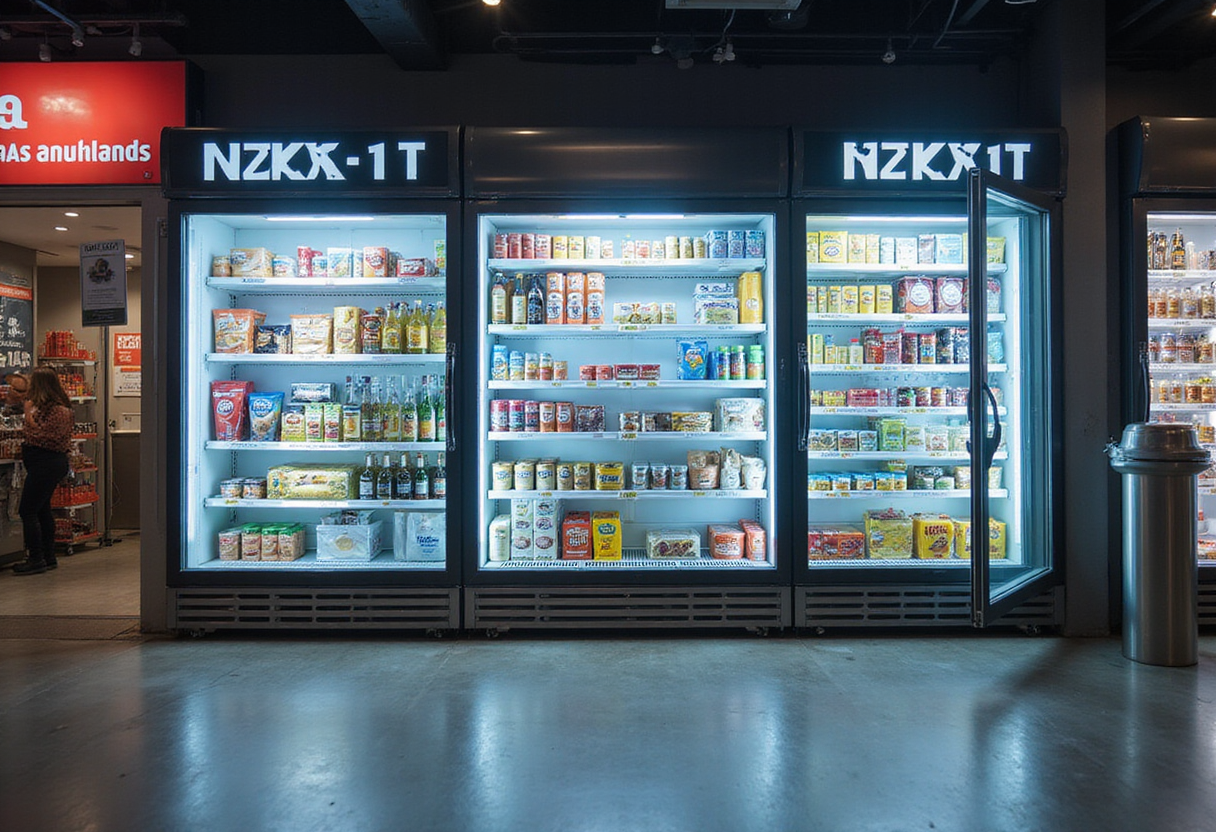
Hackers heated refrigeration units in hundreds of French supermarkets to 50°C overnight, forcing chains including Coopérative U, Intermarché, Carrefour and E.Leclerc to discard fresh stock and absorb significant losses.
The attackers gained access to remote control software that regulates fridge temperatures. The software was reportedly supplied by Danish firm Danfoss. The company said, according to BBC News reporting, that the impacted units were older models running outdated firmware that could not be patched against an identified security risk. That admission raises an obvious question for operators: how much unpatchable equipment sits in their own estates?
More than 100 Coopérative U stores were hit. CEO Dominique Schelcher confirmed the attack on X on 12 October 2026 and called it "unprecedented" and "unacceptable".
"Our teams are fully mobilised, in coordination with refrigeration specialists, to restore the situation as quickly as possible," Schelcher said. "An investigation will be necessary to shed full light on this attack."
He added: "Targeting equipment essential to the preservation of fresh products and to the food supply of the French people is of extreme gravity."
What did the attack destroy?
A spokesperson for Les Mousquetaires, owner of Intermarché, told Reuters that fridges at around 150 of its stores ran at 50°C for six hours. All affected food was discarded to avoid health risk.
The chain has not disclosed the value of the write-off. Neither has Coopérative U quantified its losses. For grocers and hospitality operators running chilled display and cold storage at scale, the incident shows a single firmware-level compromise can convert an entire refrigerated estate into total stock loss within hours.
European Commissioner for Agriculture and Food Christophe Hansen condemned the attack on X: "Food security requires more attention at all levels. Because the weaponisation of food has become a reality."
Why does this matter beyond France?
The attack targeted operational technology rather than payment or data systems. Muhammad Yahya Patel, cybersecurity advisor for EMEA at Huntress, said: "Building management controls, HVAC, cold chain infrastructure – these are the same category of systems that the security industry has been warning about as the next frontier for sabotage attacks, and they've now been weaponised against food retail infrastructure in one of Europe's largest economies. The immediate financial consequences are significant and visible."
For European hospitality businesses, the exposure is structural. Hotels, restaurant groups and contract caterers increasingly run building management, HVAC and cold chain systems on the same class of remote-monitoring software. The Danfoss statement implies the vulnerable units could not be updated at all — meaning detection, network segmentation or replacement are the only defences, not patching.
Separately, Dutch retailer Ahold Delhaize reported a security issue within its network on the same day, though the incidents are not believed to be connected.
"Our teams are taking steps to assess and mitigate the issue. This includes taking some systems offline to help protect them. At this time, our stores are open and serving customers," the retailer said in a statement.
What happens next?
Schelcher has promised a full investigation into the attack. Danfoss faces questions over which other customers run the affected firmware. FoodBev has approached Intermarché, Carrefour and E.Leclerc for comment; their answers, and any regulatory response from Brussels following Hansen's intervention, will determine whether this stays a French incident or becomes a sector-wide compliance moment.
via e.leclerc (Original)
More from Grace Kim
Show full bio
Market editor covering companies, deals and strategy in European hospitality industry at Eurotables Report.
75 articles
Other tables tonight
- Nº 35ClickFix Malware Targets European Hotel Booking DesksFROctober 10, 2026
- Nº 12European Heatwave Prompts Travel Bans and Safety Rules Across SectorNLOctober 10, 2026
- Nº 07At least 100 Dutch hotels hit as booking data breach spreadsFROctober 10, 2026
- Nº 05European poultry sector calls for food security to be treated as securityDEOctober 10, 2026
- Nº 07RaboResearch Warns European Food Prices Will Keep Climbing to 2027ESOctober 10, 2026