DENº 35EU Policy & Regulation
Chef Ivan Manchev calls for 9% VAT on Bulgarian restaurant food
Bulgarian chef Ivan Manchev wants restaurant food VAT cut from 20% to 9%, reviving the hospitality sector's push for a reduced rate in Bulgaria's tax debate.
· 2 min at the table
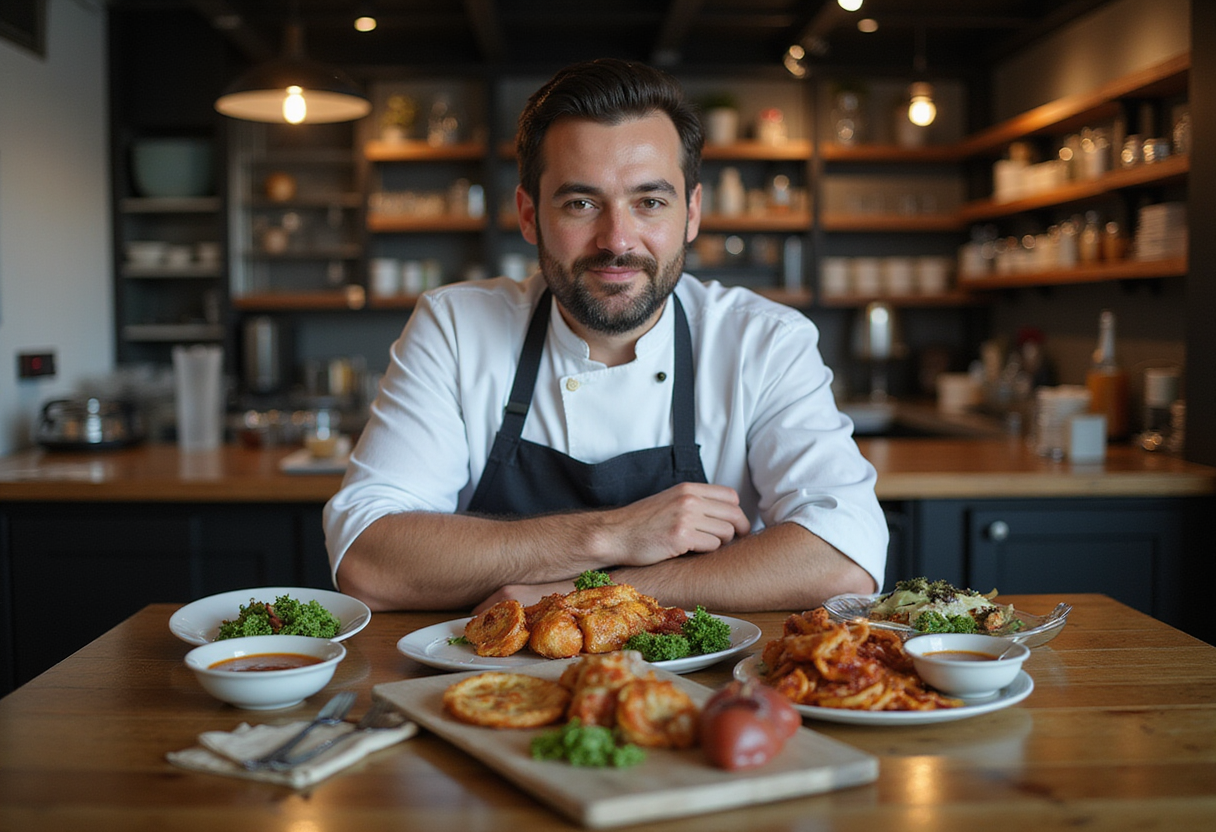
Chef Ivan Manchev has called for Bulgaria to cut VAT on restaurant food from 20% to 9%, putting one of the country's most recognisable culinary names behind the sector's long-running campaign for a reduced rate.
Manchev's demand is straightforward: restaurant meals should carry 9% VAT, not the standard 20% rate that Bulgarian hospitality businesses currently charge on food sales. That 11-point gap sits at the centre of the debate over how the sector prices itself against informal competitors and how it funds wages in an industry known for thin margins.
Why does the 9% figure matter for operators?
A cut from 20% to 9% would change menu economics directly. Operators currently pass the full standard rate onto customers in the final bill. A reduced rate would let businesses either lower menu prices to drive covers or hold prices and redirect the difference into staffing, refurbishment and supplier payments.
For a sector where cash transactions and undeclared sales remain a competitive problem, supporters of reduced rates argue that a lower VAT rate narrows the price gap between compliant restaurants and the grey economy. Every point of VAT cut on restaurant food is a point that makes the formal receipt cheaper relative to an off-books alternative.
What does Manchev's intervention signal?
Manchev is one of Bulgaria's best-known chefs, and his public push for the 9% rate gives the campaign a prominent face at a moment when hospitality costs — food inflation, energy and labour — are squeezing restaurant operators across Europe. His intervention frames the tax question as a matter of sector survival rather than fiscal technicality.
The Bulgarian hospitality trade has repeatedly pressed for a differentiated rate on restaurant services, and the chef's statement keeps that demand in the public conversation ahead of any budget deliberations in Sofia.
How does the Bulgarian position sit in Europe?
Bulgaria's standard 20% rate contrasts with several EU markets that already apply reduced VAT to restaurant and catering services. Operators in those markets have long argued that differentiated rates support formalisation and employment in hospitality. A Bulgarian move to 9% would align the country with the more competitive end of European practice on restaurant taxation.
Any change would require a political decision on lost budget revenue against the sector's argument that lower rates expand the tax base by pulling activity into the formal economy.
What happens next?
Manchev's call now rests with Bulgaria's government and parliament, which must decide whether a reduced 9% rate for restaurant food enters the next budget or tax legislation. Until then, Bulgarian operators continue to charge 20%, and the sector's campaign will keep pressing for a rate decision in upcoming fiscal talks.
via Google News: EU VAT restaurants (Source)
More from Priya Raman
Show full bio
Staff writer covering consumer brands and retail at Eurotables Report.
77 articles
Other tables tonight
- Nº 12Bulgaria Ends Reduced Restaurant VAT Rate in 2025FROctober 10, 2026
- Nº 42Germany sets restaurant food VAT at 7%, retaining pandemic-era rateNLOctober 10, 2026
- Nº 46Irish restaurants split on passing VAT cut to menu pricesDESeptember 29, 2026
- Nº 48The Times Puts Hospitality VAT Cut Back on the UK Policy AgendaESOctober 10, 2026
- Nº 37Portugal Weighs Reversal of Reduced Hospitality VAT RateESSeptember 30, 2026