FRNº 12Restaurants & Dining
Bulgaria Ends Reduced Restaurant VAT Rate in 2025
Bulgaria will end its reduced VAT rate for restaurants in 2025, returning food service operators to a higher tax burden and forcing menu repricing and margin reviews.
· 2 min at the table
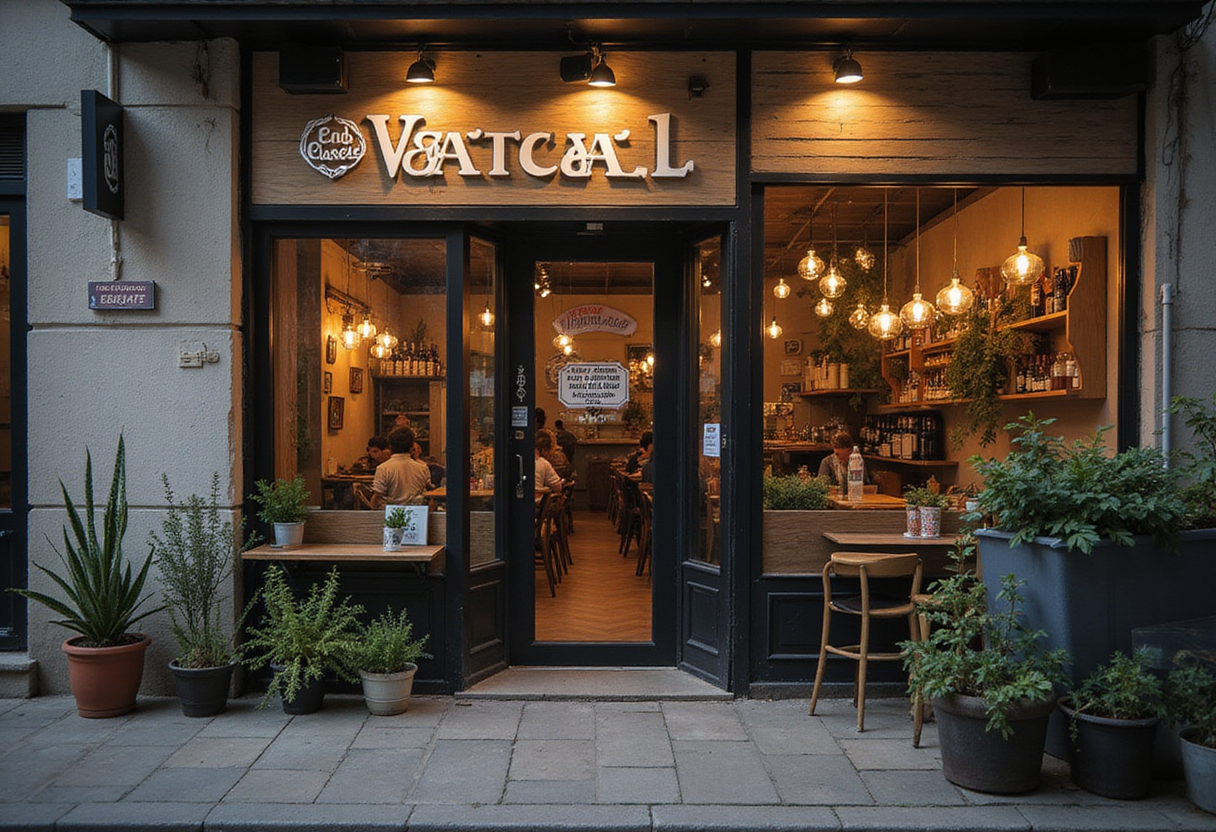
Bulgaria will end its reduced VAT rate for restaurants in 2025, closing a relief measure that the sector has relied on and returning hospitality operators to a higher tax burden on food service sales.
The decision, reported by vatcalc.com, confirms that the preferential rate applied to restaurant and catering services will not continue beyond its current term. For Bulgaria's restaurant sector — a market dominated by independent operators alongside a thin layer of domestic chains — the change hits the profit-and-loss account directly, because VAT on food service is one of the largest single lines in a typical restaurant budget.
What does the expiry change for operators?
The end of the reduced rate means restaurants, cafes and catering businesses must plan for a higher effective tax rate on their turnover from the point the change takes effect in 2025. Operators face three practical consequences:
- Menu repricing decisions, as businesses decide whether to pass the increase to guests or absorb it in margin
- Cash-flow adjustments, since output VAT rises immediately even where consumer prices cannot
- Renewed pressure on input-side costs, from food inflation to labour, which the reduced rate had partly offset
Sector associations across Central and Eastern Europe have consistently argued that reduced hospitality VAT rates protect margins, formalise transactions and support employment in labour-intensive food service. Bulgaria's move runs against the direction seen in parts of the region, where governments have kept or introduced lower rates for restaurants to support tourism-driven demand.
Why does the timing matter?
The expiry arrives in 2025, giving operators a defined window to restructure pricing and supplier contracts before the higher rate applies. Restaurant groups with multi-site expansion plans will need to remodel unit economics; single-site independents, which carry less pricing power in competitive local markets, face the sharpest margin squeeze.
The fiscal logic is straightforward: a government weighing budget consolidation treats a hospitality VAT relief as a revenue giveaway, and returning restaurants to the standard rate recovers treasury income at a rate operators cannot contest. The trade-off lands on a sector where the tax change converts directly into higher prices for diners or lower net margins for owners.
How should the market react?
Investors and lenders to Bulgarian hospitality assets should expect operators to revisit 2025 business plans now, not at the compliance date. Operators that reprice early and communicate value clearly will protect volume; those that delay risk margin erosion in a demand environment where consumers already scrutinise restaurant bills.
The next milestones to watch are the formal publication of the measure in Bulgaria's tax legislation calendar, the exact effective date within 2025, and any sector-association response pressing for a phased return or an extension before the deadline passes.
via Google News: EU VAT restaurants (Source)
More from Priya Raman
Show full bio
Staff writer covering consumer brands and retail at Eurotables Report.
77 articles
Other tables tonight
- Nº 35Chef Ivan Manchev calls for 9% VAT on Bulgarian restaurant foodDEOctober 12, 2026
- Nº 34Germany Reinstates 7% Hospitality VAT Rate from January 2026ESOctober 10, 2026
- Nº 37Portugal Weighs Reversal of Reduced Hospitality VAT RateESSeptember 30, 2026
- Nº 16RAI warns of further closures and job losses without VAT cutESOctober 11, 2026
- Nº 48The Times Puts Hospitality VAT Cut Back on the UK Policy AgendaESOctober 10, 2026