BoE forecasts UK food inflation jump to 5% as rates hit 4%
Bank of England deputy governor Clare Lombardelli expects UK food inflation to climb from 1.3% to 3–5% by mid-2026, with a 26% energy cap rise in January already locked in for operators.
· 4 min at the table
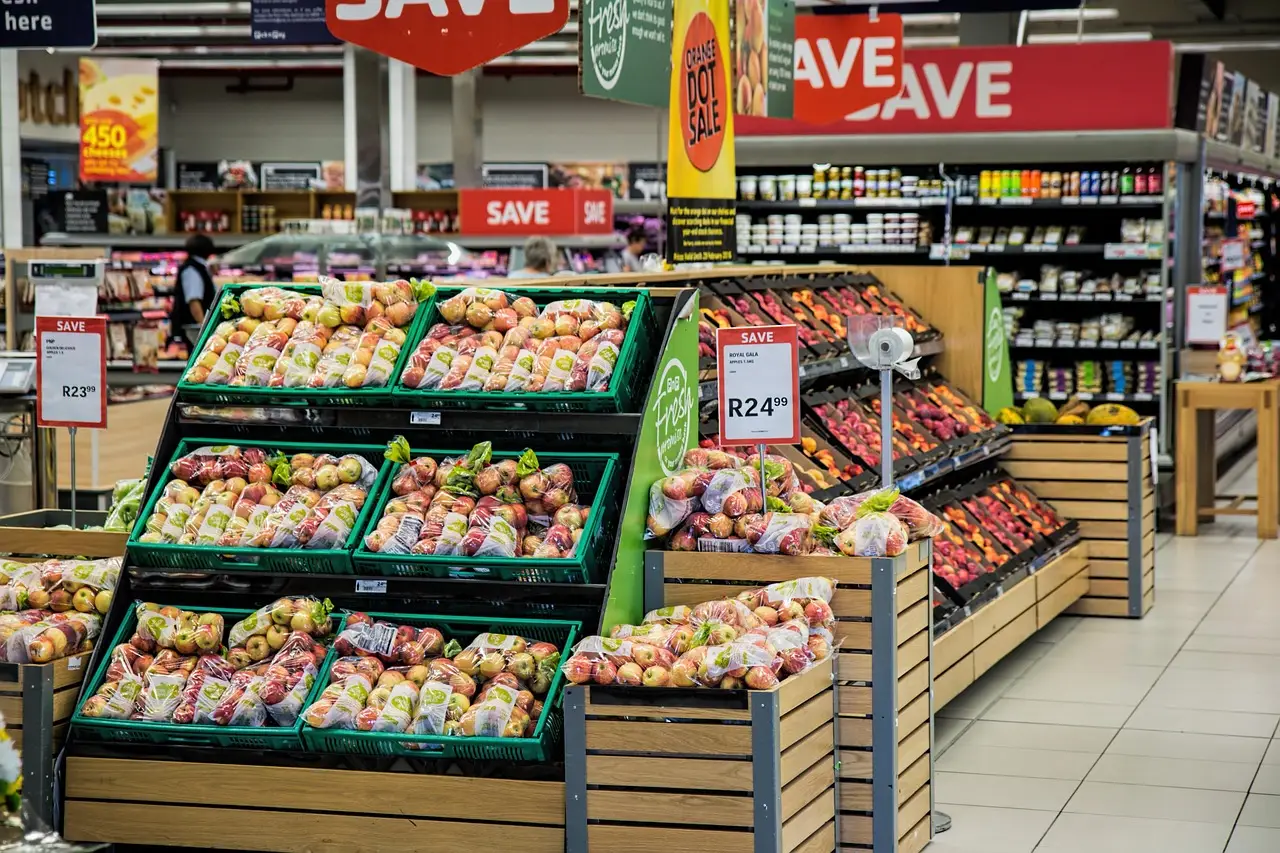
UK food price inflation sits at just 1.3% today, but the Bank of England expects it to reach 3–5% by the middle of next year, deputy governor Clare Lombardelli told the cross-party Treasury select committee in a two-hour hearing alongside fellow members of the monetary policy committee (MPC).
"Food price inflation is coming in under what we expected [it] to be, and in fact under what the industry expected it to be," Lombardelli said. "We think that … it will go up to 3 to 5% in the middle of next year. I mean, obviously that's quite uncertain, but that pressure is there."
For restaurant groups, contract caterers and hotel operators, the forecast sets a budgeting problem: a mid-single-digit food cost trajectory into 2026, layered on top of an energy price cap rising 26% in January and headline inflation already at 3.6%.
What has restrained food prices so far?
Food inflation has fallen well short of the peak above 17% recorded in 2023, when Russia's invasion of Ukraine tightened global supply as the world economy emerged from the Covid-19 pandemic. The escalation of the Iran war pushed oil and gas prices up this year — petrol and diesel costs are more than 33% higher over the past 12 months — yet the knock-on effects have stayed largely confined to energy.
Catherine Mann, an external MPC member who voted for a half-point rate increase this month, credited fierce competition in food retail for holding the line. "We all go shopping ourselves. I can say that Aldi price match in my stores is apparent. Now, it wasn't apparent four years ago. So that's, I think, important," she said.
MPC member Swati Dhingra put the numbers on the comparison with 2022. At a similar point that year, 70% of goods in the consumer price index had seen price rises; so far this year just 20% have reacted. The takeaway for operators: supermarket price discipline has so far shielded input costs from the energy shock, but that protection is not guaranteed into next year.
What is the Bank doing about it?
The MPC raised interest rates by a quarter-point to 4% at its meeting earlier this month to tackle above-target inflation, and signalled further action could be necessary. Inflation has now run above the Bank's 2% target for five consecutive years.
Governor Andrew Bailey said the committee is also watching this year's unusually large El Niño weather event, which could hit future harvests and food prices. "There is uncertainty around this. You know, we still don't know what the impact of this El Niño effect is going to be, for instance, because it will take time for it to manifest," he said.
The committee's divisions were on full display at the hearing. Dhingra, the most dovish member, described this month's rise as a one-off "insurance" measure. Mann took the opposite view, arguing the MPC had undermined public confidence by failing to act more aggressively. "If we let inflation expectations drift away from 2% in the longer term, then monetary policy is going to have to work harder, meaning a higher rate for longer," she said. "The optimal response is to hike more and sooner."
Higher-for-longer rates raise financing costs for leveraged hospitality groups just as food and energy inputs climb — a double squeeze on margins that refinancing operators will price over the next two quarters.
Could oil prices change the picture?
Oil prices have fallen sharply since the Democratic party's sweep in the US midterms raised hopes of an end to the Iran conflict, and as alternative supply sources start to come onstream. Bailey said sustained lower prices would mechanically cut the Bank's inflation peak, which it had expected to reach almost 5% next year.
"The prices are volatile … if these current prices were to stay what they are, the peak of inflation mechanically would be lower," he said. But he and other MPC members stressed that some 2026 inflation pressure is already baked in, citing the 26% rise in the household energy price cap due in January.
Bailey's condition matters for operators: if oil holds at current levels, both the headline inflation peak and the food inflation path could come in below forecast, easing cost pressure on menus and kitchen energy bills.
What happens next?
The MPC's next rate-setting meeting falls on 17 December. A further quarter-point move would push borrowing costs to 4.25%, while the direction of oil and food commodity prices between now and then will determine whether the Bank's 3–5% food inflation forecast holds or softens.
via theguardian.com (Source)
More from Tom Whitfield
Show full bio
Senior reporter covering companies, deals and strategy in European hospitality industry at Eurotables Report.
149 articles
Other tables tonight
- UK inflation reaches 3.6% as fuel and borrowing costs riseNovember 19, 2026
- UK inflation climbs to 3.6% as diesel hits record highNovember 18, 2026
- UK inflation climbs to 3.6% as energy cap rise hits householdsNovember 18, 2026
- Top Chefs Warn UK Closures Threaten Restaurants and JobsOctober 10, 2026
- 80% of UK hospitality operators say cost rises block investmentOctober 30, 2026