ITNº 22Deals & Finance
UK inflation climbs to 3.6% as diesel hits record high
UK inflation rose to 3.6% in October as motor fuel costs jumped 33.2% year on year, but food inflation fell to 0.9% — the lowest since September 2021 — ahead of a 20%-plus energy cap rise.
· 4 min at the table
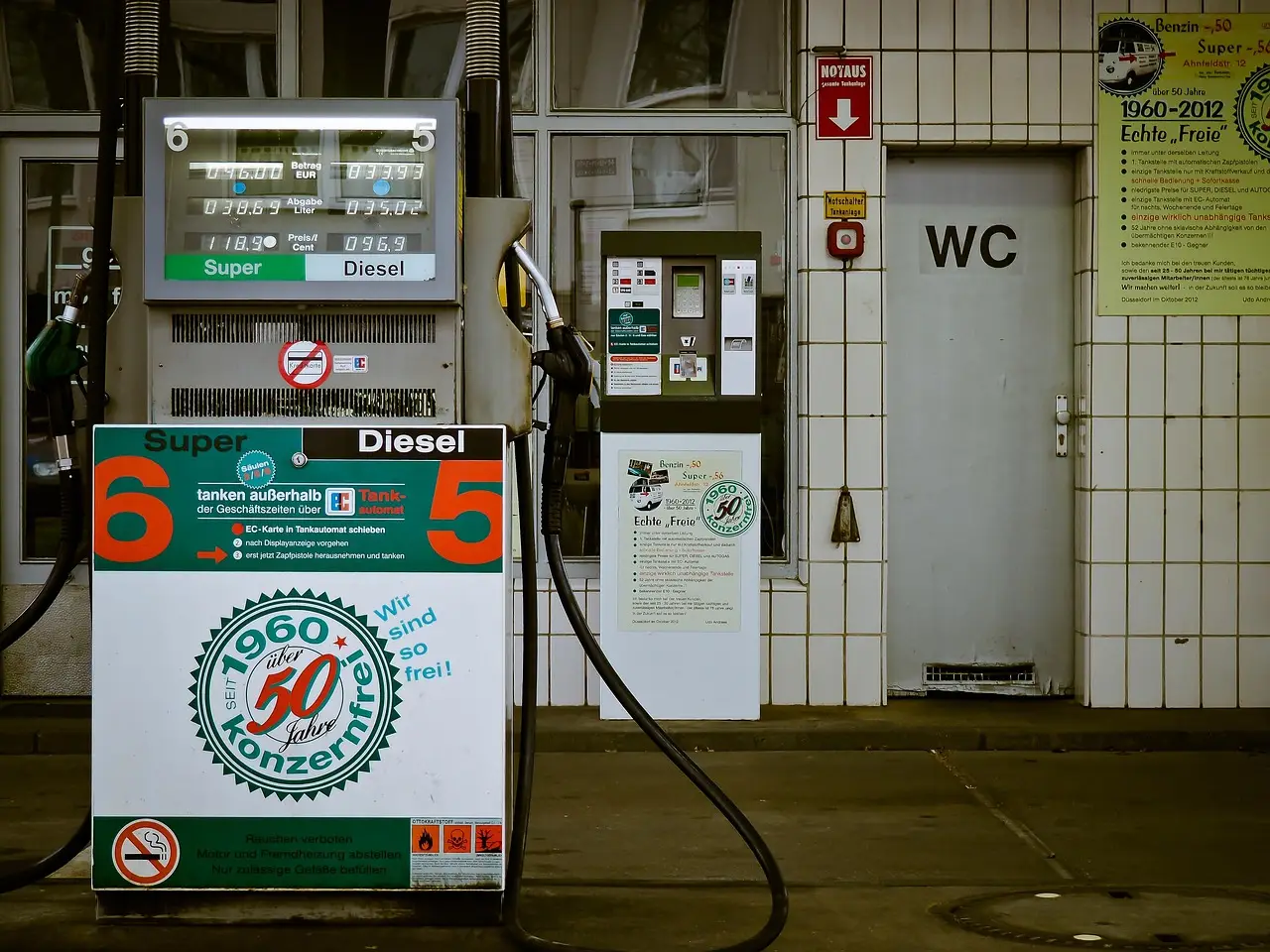
UK headline inflation rose to 3.6% in October, up from 3.5% in September, with motor fuel prices up 33.2% year on year — the fastest increase since July 2022 — and diesel at a record high. For hospitality operators, the print lands one month after the Bank of England raised its main rate by a quarter point to 4%, the first increase in more than three years, tightening the financing and consumer-spending backdrop for pubs, hotels and restaurants across Britain.
Grant Fitzner, chief economist at the Office for National Statistics (ONS), said: "Inflation rose slightly in October, with fuel prices once again a major contributor to the increase in the annual rate." The consumer price index rose 0.5% month on month.
Where the inflation came from
Transport did the damage. Transport prices rose 7.5% in the year to October, up from 6.6% in September, the largest single contributor to the headline increase. Petrol reached its highest level since August 2022.
Food and non-alcoholic drinks moved the other way: inflation there eased to 0.9% from 1.3%, the lowest reading since September 2021. For food-led operators, that is roughly a quarter of the pace of the overall index — a rare period of input-cost relief after the double-digit food inflation of recent years.
Core inflation, which strips out energy, food, alcohol and tobacco, held unchanged at 2.8%.
What does the print mean for interest rates?
The data came in softer than the City expected. Sanjay Raja, Deutsche Bank's chief UK economist, said: "Overall, today's print was far softer than we ourselves expected." He noted that both headline and core inflation ran 0.1 percentage points below the Bank of England's forecasts, and services inflation — the measure the Bank watches closest for wage-driven pressure — held at 3.7%, also below expectations.
"Today's inflation data will give the Bank of England some breathing space," Raja said, while cautioning that inflation remains uncomfortably high.
For hotel and restaurant groups carrying debt or planning capital expenditure, the practical read is that the Bank's November hike to 4% was a response to pressures that October's data partly undercut. The relief is likely temporary.
What happens next?
The forward path is unpromising. Raja said: "Looking beyond October, we still think the worst is yet to come." He expects Ofgem's cap on household energy prices to rise by more than 20% in January, hitting household budgets and therefore discretionary spend on eating and drinking out. Food inflation, he said, is widely expected to rise faster in 2027 despite its current slow pace.
Two temporary tax cuts also expire in July 2027 — one on petrol and diesel, one on household electricity in Great Britain — adding a further mechanical lift to prices at that point.
The Bank of England's November forecast puts inflation at around 5% in mid-2027. In a separate scenario, assuming energy prices rise sharply and stay high, the Bank projects inflation could reach about 6.2% in the third quarter of that year. To put that in scale: a mid-2027 inflation rate of 5% would be more than double the Bank's 2% target, three years after the target was last met.
Raja sits below the Bank on the path. He expects inflation to peak well under the official forecast, arguing higher energy costs will feed through to wages and other prices less than the Bank assumes. His call: "We see CPI pushing above 4% early next year – and sticking above 3% y/y all year." He sees inflation slowing towards 3% by the end of 2027 as earlier energy price rises drop out of the annual comparison and gas prices ease. A sustained return to the 2% target, he said, "looks unlikely before late 2028".
The operator read
Three implications follow for UK hospitality businesses. First, January's expected 20%-plus rise in the Ofgem energy cap squeezes household budgets at the trough of the trading year, dampening spend in the first quarter. Second, a Bank rate held at 4% or higher into 2027 keeps refinancing and capex costs elevated for leveraged groups. Third, food cost relief — 0.9% inflation, the weakest since September 2021 — is a window that analysts expect to close in 2027 as the fuel and electricity tax cuts expire.
The next checkpoint is the January Ofgem cap adjustment, alongside December's CPI release in mid-January, which will test Deutsche Bank's call of inflation breaching 4% early next year.
via euronews.com (Source)
More from Priya Raman
Show full bio
Staff writer covering companies, deals and strategy in European hospitality industry at Eurotables Report.
139 articles
Other tables tonight
- Nº 05UK inflation climbs to 3.6% as energy cap rise hits householdsITNovember 18, 2026
- Nº 1580% of UK hospitality operators say cost rises block investmentESOctober 30, 2026
- Nº 34London Hotels Post Record October RevPAR of £178.81 on BFI Festival DemandDENovember 12, 2026
- Nº 47Top Chefs Warn UK Closures Threaten Restaurants and JobsESOctober 10, 2026
- Nº 43Irish Hospitality Costs Surge Up to 61.7% Against 7.5% CPI, DIGI Report FindsITOctober 10, 2026