ESNº 09Hotels & Groups
Airbnb pushes hotel-style listings as EU short-term rental rules tighten
Airbnb is widening its hotel-style inventory across Europe as municipal caps and licensing rules shrink peer-to-peer supply, signalling a structural pivot for the platform.
· 2 min at the table
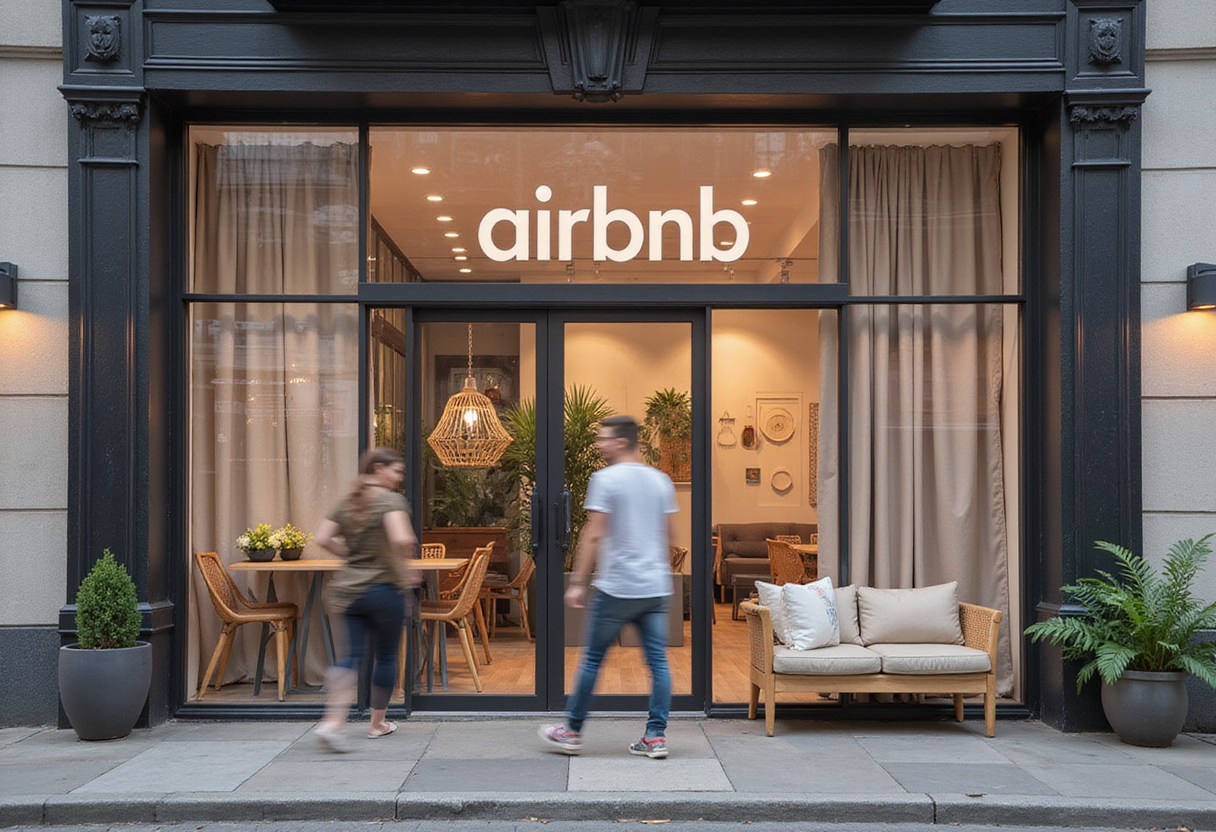
Airbnb is expanding its hotel-style inventory on the platform as European cities tighten short-term rental regulation, according to a Hospitality Investor report. The move comes amid a wave of municipal caps, licensing requirements and primary-residence rules that have shrunk the addressable supply of whole-apartment listings in major urban markets.
What is Airbnb adding?
The company is broadening the share of listings run by professional hospitality operators rather than individual hosts. Hotel rooms and serviced apartments — categories Airbnb has built out over the past three years — now represent a growing portion of its European bookable supply, a strategic shift away from the peer-to-peer model that defined its first decade.
Why does regulation matter?
Short-term rental rules in cities such as Amsterdam, Paris, Barcelona, Lisbon and Berlin have curtailed the number of nights a property can be rented, raised registration fees, and required hosts to hold licences. Several municipalities have set hard caps on the number of days a non-primary residence can be let per year, effectively pricing amateur hosts out of the market. Airbnb has adapted its product by:
- Defaulting city pages to compliant listings first
- Requiring host registration numbers before a property goes live in regulated markets
- Removing or hiding listings that fail to display valid permits
These mechanics push demand toward licensed hotel rooms, aparthotels and serviced apartments that the platform now markets more prominently.
What does this mean for operators?
For hoteliers, the change opens a new direct-distribution channel with a global traffic base. For aparthotel and serviced-residence operators, it formalises a category that previously lived on the fringes of the platform. For investors, it signals that the platform's growth in Europe depends less on individual hosts and more on supply that can withstand regulatory scrutiny.
Airbnb has not disclosed the share of European nights booked through hotel-style listings, and the Hospitality Investor piece does not break out country-level figures. The company has previously reported that more than 300,000 hotel-style listings are active globally, though the European split remains undisclosed in the public material cited.
What happens next?
Operators should expect further regulatory filings as Airbnb negotiates data-sharing agreements with municipalities that require guest-night registries. Additional European capitals are scheduled to introduce or amend STR rules over the next 12 months, which will continue to reshape the supply mix on the platform. Hotel chains and serviced-residence groups watching the shift should prepare distribution integrations, as Airbnb's hotel inventory grows in regulated markets.
via Google News: EU hospitality regulation (Source)
More from Elena Vasquez
Show full bio
News editor covering marketplaces and e-commerce at Eurotables Report.
91 articles
Other tables tonight
- Nº 44Financial Times: holiday rentals are winning Europe's city centresITOctober 10, 2026
- Nº 37Croatia sets 2027 deadline for new short-term rental lawFROctober 10, 2026
- Nº 45Croatia brings new short-term rental rules into forceITOctober 10, 2026
- Nº 02Cyprus hotel-Airbnb licensing chaos sparks industry reform callsNLOctober 10, 2026
- Nº 02EU Short-Term Rental Data Rules Take Effect TomorrowNLOctober 10, 2026