ESNº 37Food & Beverage Trade
700-Plus French Retail Fridges Hacked as France Accuses Iran
France blames Iran for hacking refrigeration at more than 700 retail sites overnight on 11-12 October. Iran denies it as similar disruptions spread across six European countries.
· 3 min at the table
By Priya Raman
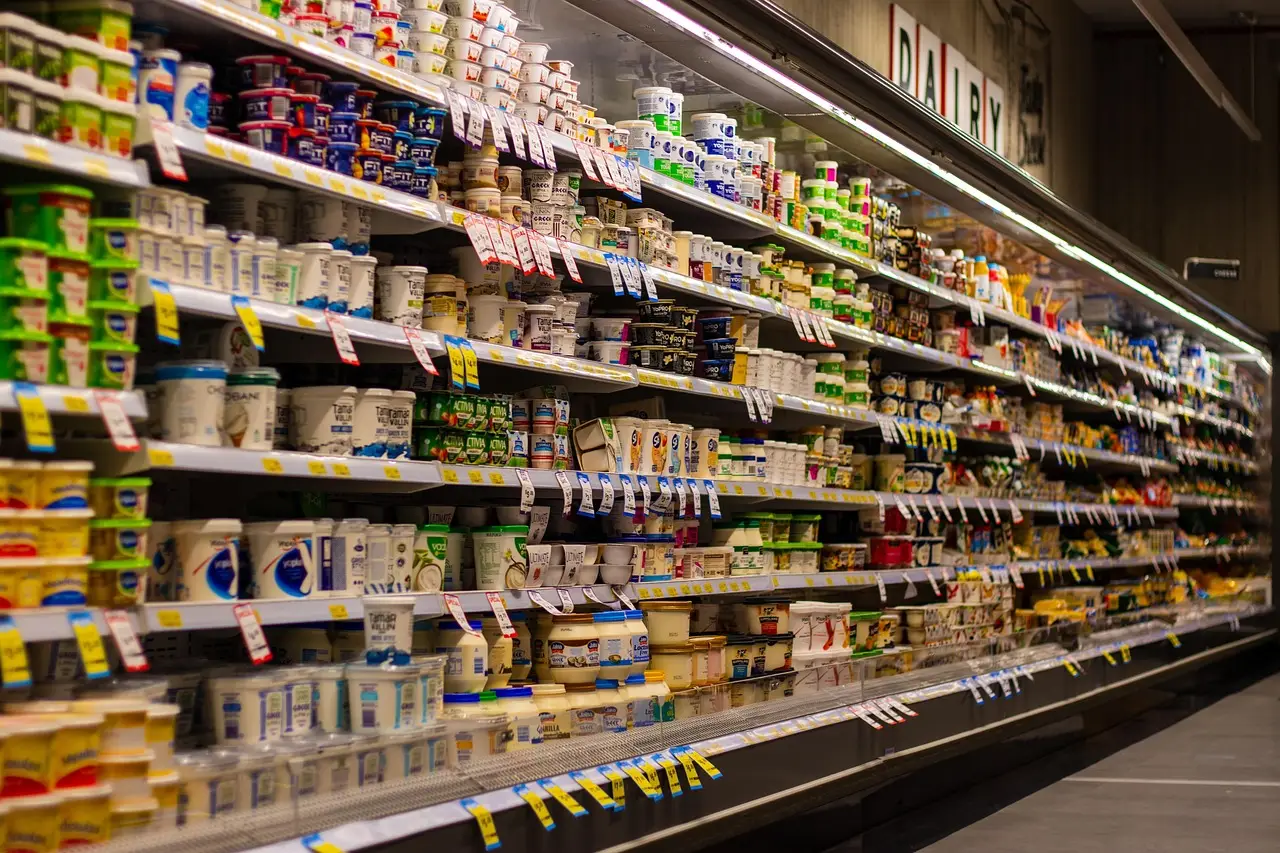
Cyber attackers remotely controlled refrigeration software at more than 700 French retail sites and heated the systems to 50°C overnight from 11 to 12 October, according to the French government.
The attacks caused significant food spoilage and waste, with the government estimating the spoiled food at tens of millions of euros. Retailers also faced substantial financial losses. Intermarché, Carrefour and E.Leclerc were reportedly among the affected chains.
France’s Ministry for Europe and Foreign Affairs attributed the attacks to Shahid Kaveh, a cyber unit affiliated with the Electronic Warfare and Cyber Defence Organization of the Islamic Revolutionary Guard Corps.
The ministry said: “Inexcusable and contrary to international law.” France said it would use all available means of response, including within the EU and alongside European and international partners, to anticipate, prevent, deter and respond to destabilising and destructive cyber actions against France.
France will summon the ambassador of the Islamic Republic of Iran in France to condemn the attacks. It also plans to propose further sanctions against Iran in consultation with European partners.
What rests on France’s attribution?
France shared little detail on how it reached its conclusion, saying only that the finding followed investigation by government agencies. Iran’s Ministry of Foreign Affairs rejected the accusations as “baseless and biased.”
Iran said the French allegations sought to divert public attention from French government policies and governance failures. It also criticised what it called negligence in addressing weaknesses in corporate administrative systems after the remote attack.
Attribution remains contested.
Limited technical detail leaves operators and investors without a clear view of exposure. A government attribution can support coordinated sanctions without identifying the compromised technology or the route into it.
How far did the disruption spread?
The first wave covered more than 700 sites in France. A second wave, reported last week, reached six countries:
- Sweden
- Belgium
- Luxembourg
- Ireland
- Estonia
- United Kingdom
The pattern now spans six markets. Some supermarket chains, including Carrefour, Coop and Delhaize, reported similar problems with refrigeration heating across several countries. The BBC reported attacks on the UK meat supply chain, where cold storage was affected through exploitation of what it described as vulnerable technology.
What should operators and investors watch?
For hospitality operators, the immediate concern is supplier continuity, not the nationality of the alleged attacker. Hotels, restaurants and contract caterers should ask chilled and frozen-food suppliers how they control remote access, monitor temperature changes and manage stock loss if refrigeration fails.
The reported 50°C heating shows why temperature monitoring and supplier contingency planning matter to buyers of chilled and frozen products. A compromise in the cold chain turns an infrastructure problem into a sourcing and food-waste problem.
Investors should separate the estimated food loss in France from the wider operational exposure created by the multi-country pattern. Business losses were substantial, while the spread across six national markets tests the resilience of shared cold-chain infrastructure.
France’s proposed sanctions and ambassadorial summons add a diplomatic track to the response. Neither the ministry’s statement nor Iran’s denial sets out a timetable for those steps.
The next tests are France’s summons of Iran’s ambassador, European consultations on sanctions, and whether further cold-chain attacks extend the disruption beyond the six countries already reported.
via FoodBev (Source)
More from Priya Raman
Show full bio
Staff writer covering companies, deals and strategy in European hospitality industry at Eurotables Report.
139 articles
Other tables tonight
- Nº 38France blames Iran's IRGC for fridge hack hitting 700 retailersITNovember 10, 2026
- Nº 19Iran rejects French accusation over supermarket fridge cyberattacksNLNovember 17, 2026
- Nº 13France Blames Iran's IRGC for Freezer Hack That Hit 700 StoresESNovember 10, 2026
- Nº 46France blames IRGC hackers for supermarket fridge attacksFRNovember 17, 2026
- Nº 44Cyber Attack Heated French Supermarket Fridges to 50°CFROctober 13, 2026