DENº 10Hotels & Groups
53% of European ski resorts face high snow risk at 2°C warming
A 2023 Nature Climate Change study of 2,234 European ski resorts found 53% face high snow risk at 2°C warming without snowmaking — rising to 98% at 4°C.
· 4 min at the table
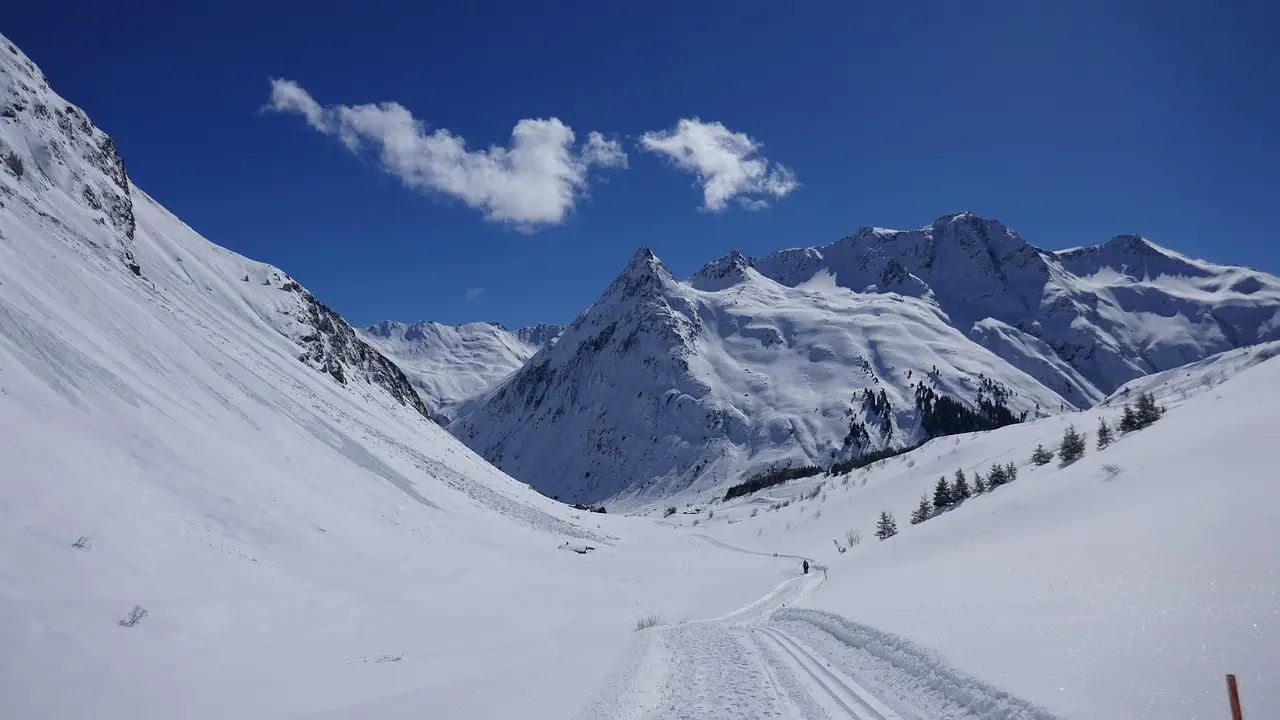
A 2023 study published in Nature Climate Change examined snow conditions at 2,234 European ski resorts and found that 53% would face a very high risk of insufficient snow under a 2°C global warming scenario without snowmaking. At 4°C of warming, that proportion rises to 98%. The finding anchors a problem now moving up the agenda for hotel owners and investors across France, Switzerland, Austria, Italy and other mountain markets: winter itself has become a commercial variable.
Byline: Olivia Hart
What does the snow data mean for mountain hotels?
Accommodation demand in ski destinations tracks snowfall and lift access closely. When snow arrives late or temperatures spike, ski areas struggle to hold conditions, and hotels absorb cancellations, weaker bookings and a shorter peak trading window. Lower-altitude resorts carry the most exposure, because warmth cuts both natural snowfall and the temperature window for making artificial snow.
Snowmaking only partly fixes this. It needs cold air, water and energy, and it raises costs and environmental pressure at the same time. The revenue hit spreads past rooms into restaurants, spas and equipment rental. Hotels weighing expansion must now ask whether the property can earn year-round before they commit capital. In plain terms: a ski hotel's value now depends partly on ski lifts, roads and local attractions its owner doesn't control.
Where are the pressures — and the openings?
The effects aren't uniform. Alpine hotels face snowfall uncertainty, while Mediterranean destinations could pull visitors into traditionally quiet winter months. Rome, Athens and coastal southern Europe can build walking holidays, cultural tourism and city breaks on existing attractions. But mild weather alone doesn't deliver guests; transport links, events and infrastructure still decide demand. Any hotel extending its season must weigh staffing, heating, maintenance and food-service costs against realistic occupancy and rate expectations.
North American resorts split by elevation, though altitude alone doesn't remove risk. Japan's Hokkaido and Honshu mountain regions, Finnish Lapland's snow-dependent offer, and Southern Hemisphere ski markets in Australia, New Zealand, Chile and Argentina all face comparable questions about long-term snow reliability — their seasons just sit at different points in the calendar. Local climate assessments matter more than global headlines.
How does volatile weather hit pricing and operations?
Seasonal pricing leans on history, and history is becoming a weaker guide. Delayed snowfall, warm spells or severe storms push demand below forecast, forcing revenue teams to react to cancellations and last-minute bookings without wrecking rate integrity. Dynamic pricing systems that track occupancy, booking pace and market demand help; weather forecasts add context but shouldn't replace booking data or commercial judgement. Flexible cancellation policies reassure guests, but they also raise cancellation rates.
On the engineering side, sudden cold spikes drive heating demand, while storms disrupt power, deliveries and access. Repeated freeze-thaw cycles crack pipes, walls and drainage. Preventive checks on roofs, drainage, heating plant and water infrastructure — plus backup power and emergency procedures — are the practical defence. The Intergovernmental Panel on Climate Change (IPCC) flags snow and ice changes and flooding as core tourism hazards across regions.
What should owners do next?
Energy performance is a cost lever: insulation, glazing, efficient heating and occupancy-based controls cut spend, though a solution suited to a modern city hotel won't fit a historic mountain property. Investors should run climate due diligence covering hazard maps, infrastructure reliability, insurance terms and upgrade costs — premiums won't automatically rise, but coverage needs checking. The IPCC names non-snow activities and year-round tourism as the main adaptation path, and partnerships with local activity providers offer a low-cost way to test guided walking or wellness products before major spend.
Guidance from the World Meteorological Organization and the International Ski and Snowbook Federation — developed with the International Ski and Snowboard Federation — underlines the value of weather, snow and climate data in decisions from daily operations to infrastructure investment. Operators should start with a review of local weather risks and past disruption, stress-test capex against different climate and demand scenarios, and revisit the assessment as conditions shift. The distinction that decides asset values is the one owners must now make explicitly: temporary disruption versus permanent change.
via Hotel Management Network (Source)
More from Olivia Hart
Show full bio
Correspondent covering money, funding and market shifts around European hospitality industry at Eurotables Report.
136 articles
Other tables tonight
- Nº 42Hoteliers Warn Rising Temperatures Could Reshape European Travel PatternsESOctober 1, 2026
- Nº 31Tour Operators Pivot to Long-Haul as European Hotel Prices BiteDEOctober 10, 2026
- Nº 17Heatwaves reshape hotel demand in Europe, Yahoo Finance reportsFROctober 18, 2026
- Nº 25Colliers names Maspalomas a 2026 European hotel investment hotspotESOctober 10, 2026
- Nº 04European Hotel Growth Slows as Occupancy PeaksITOctober 10, 2026