FRNº 44Cafes & Bakeries
World Coffee Portal publishes Project Café Europe 2025
World Coffee Portal has released Project Café Europe 2025, the publisher's annual flagship intelligence report covering chain activity, market sizing, and category forecasts across the European branded coffee shop sector.
· 3 min at the table
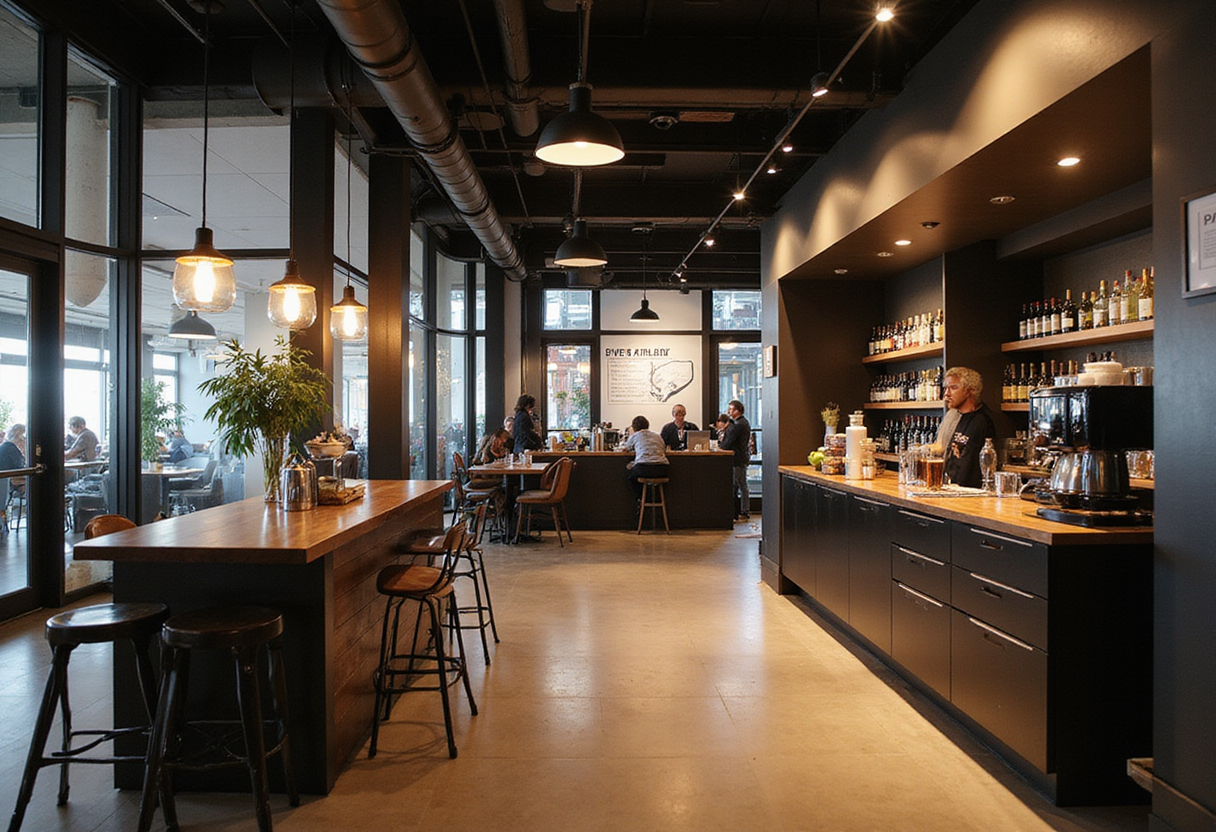
World Coffee Portal released Project Café Europe 2025, its flagship annual intelligence report on the European branded coffee shop sector, providing hospitality operators, franchise groups, and investors with reference data on chain activity, market sizing, and category forecasts across the continent.
The London-based trade publisher distributes Project Café Europe each year to track the continent's café industry. The 2025 edition continues the publication's established methodology, applying country-level analysis of store counts, system-wide sales, average ticket values, and like-for-like growth across the European market.
The report tracks both international chains operating in Europe — Starbucks, Costa Coffee, Tim Hortons, and McCafé among them — and regional brands with strong home-market positions, such as Segafredo Zanetti Espresso in Italy, Coffee Fellows in Germany, and Espresso House across the Nordics. Coverage spans the developed UK, German, French, Italian, and Spanish sectors and extends into faster-expanding Central and Eastern European markets, including Poland, Romania, and the Baltic states.
For hospitality operators, the report serves as a comparable intelligence service to hotel industry data providers such as STR. The dataset supplies per-store sales productivity figures, transactions per day, and benchmark ticket sizes, allowing groups to assess competitive density in primary and secondary European cities. Franchise groups apply the data to site acquisition and unit economic modelling. Equity investors rely on the figures for due diligence, market sizing, and the construction of category comps.
What does the report measure?
Project Café Europe tracks four core data points per market: total branded coffee shop store count, system-wide sales value, average ticket size, and same-store sales growth. The 2025 edition places emphasis on drive-through formats — an expanding channel across continental Europe, particularly in markets where car-based consumption supports off-premise locations — and on the impact of ready-to-drink coffee products, which have shifted margin structures in the out-of-home segment.
The report categorises operators by format: traditional high-street cafés, bakery hybrids, convenience-led grab-and-go units, and travel-location concessions. Each format carries distinct unit economics, and the publication separates performance metrics by category so operators can benchmark against like-for-like competitors rather than averaging across the segment.
Why does it matter for European hospitality?
The café segment intersects directly with hotel food and beverage. Hotel operators running lobby cafés, grab-and-go outlets, and breakfast service compete for morning-daypart traffic against branded chains. The pricing and traffic data in the report allow hotel F&B managers to benchmark covers and average spend against category leaders active in the same city.
The publication also documents private-equity activity in European coffee. Independent operators and mid-sized chains have drawn sponsor interest attracted by recurring revenue, high footfall, and asset-light franchise models. The 2025 edition positions recent transaction multiples in Italy and Germany against the broader sales base, giving investors a clearer read on entry pricing across the region.
For hotel groups evaluating mixed-use or F&B-heavy real estate, the café density data in the report offers an early read on footfall patterns in city centres, transport hubs, and retail parks — three of the formats where hotel and café operators compete for the same prime sites.
What happens next?
Subscribers will receive country-level briefings in the coming weeks, ahead of the World Coffee Portal Symposium, where the report's headline findings are typically presented to operators and investors. The publisher's next Project Café Europe edition is scheduled for release in 2026, with expanded tracking expected for plant-based beverage performance, energy-drink crossover categories, and the European rollout of Asian coffee chains entering Western markets.
via Google News: cafe bakery industry Europe (Source)
More from Tom Whitfield
Show full bio
Senior reporter covering consumer brands and retail at Eurotables Report.
71 articles
Other tables tonight
- Nº 04European Coffee & Hospitality Awards 2025: full winners list publishedDEOctober 10, 2026
- Nº 12Finalists revealed for European Coffee & Hospitality Awards 2025DEOctober 10, 2026
- Nº 35Le Paris Café Festival 2026: ten lessons for coffee operatorsFROctober 10, 2026
- Nº 16European branded coffee shops post fastest growth in five yearsFROctober 10, 2026
- Nº 42Espresso House Eyes New European Expansion FrontDESeptember 29, 2026