UK-EU Reset Draft: Cheese Deal Waits Until 2028, Youth Mobility Until 2030
A leaked 72-paragraph draft shows the UK-EU reset is largely agreed ahead of Friday's signoff: youth mobility by 2030, cheese SPS rules in 2028, no pet passports, no EV tariff deal yet.
· 3 min at the table
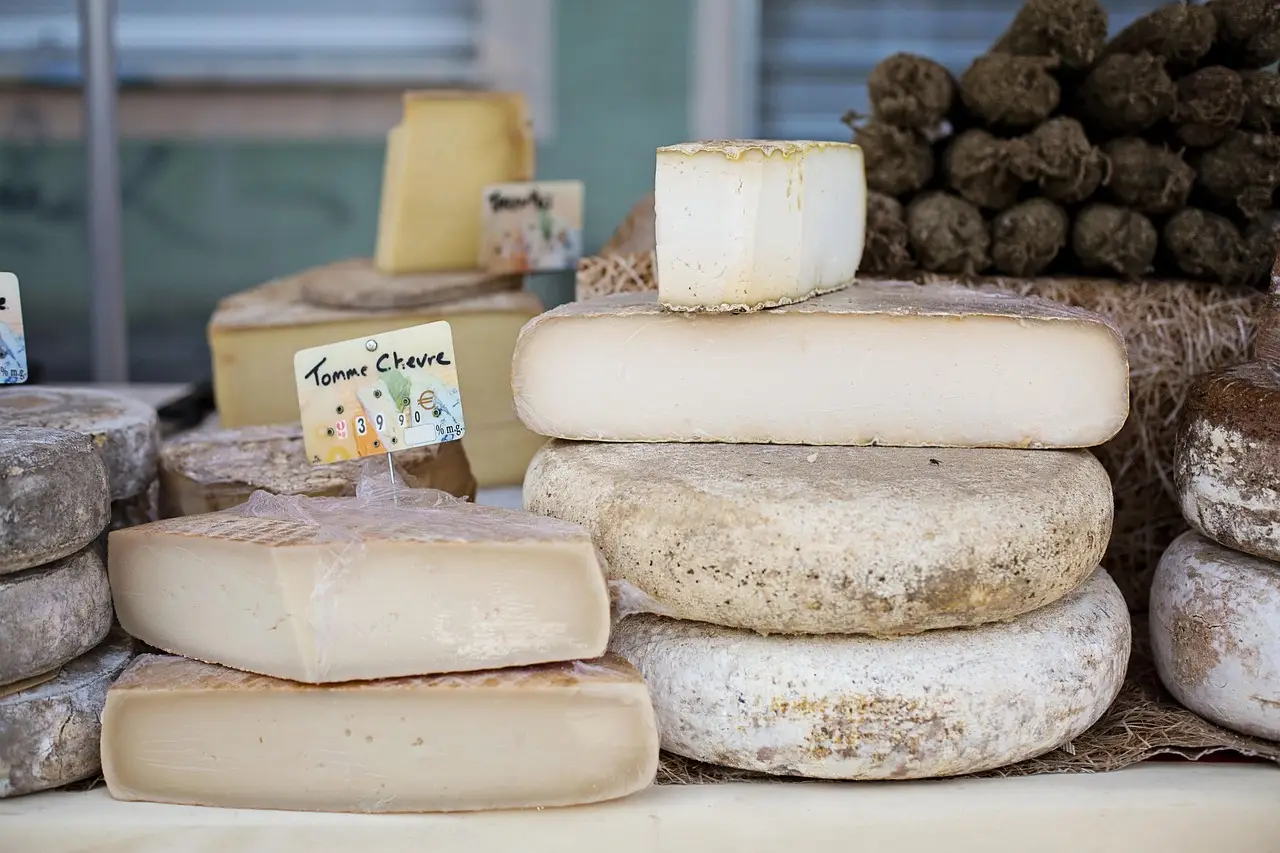
The UK-EU sanitary and phyto-sanitary agreement covering cheese exports will not take effect until 1 March 2028, according to a leaked second draft of the "relationship reset" communique expected to be signed off in Brussels on Friday. The 72-paragraph text shows negotiators have largely closed the deal, with a handful of contested points still open.
The agreement, launched in earnest under Keir Starmer, is due for signoff by Andy Burnham on Friday. Here's what the draft actually commits to, and what it leaves hanging.
What does the youth mobility scheme deliver?
The scheme lets under-30s from the UK and EU "reside for up to three years to engage in activities such as work, studies, au pairing, volunteering, or simply travelling", the draft says. Don't pack yet: the draft states both sides "aim to apply this agreement no later than 2028 and endeavour to ensure that opportunities under the scheme will be available to our young people no later than January 2030". The delay exists because work permits sit with national governments, not Brussels.
Numbers are still disputed. Britain wants a cap of 50,000 to 80,000 places to limit net migration; the EU wants at least 100,000. Germany is among member states open to letting unlimited numbers of British young people in, regardless of UK reciprocation.
What happens to EU student fees?
Nothing is settled. The draft offers two options: "significantly reduced undergraduate" fees — a halfway house between international and home rates — or "equal treatment" with UK nationals. Irish students already pay home fees under a separate longstanding arrangement.
Do touring artists get a fix?
Yes, partially. Since 2021, gigging bands and theatre groups have faced heavy bureaucracy and cost touring Europe — a flaw Elton John has long pressed the government to fix. The EU resisted negotiating because work permits are a national remit. But touring artists now appear in the draft text, and the win depends on primary legislation the UK must pass to dynamically align with EU standards.
Are pet passports back?
No. Pet passports tie into the SPS deal, so British travellers still pay up to £200 each time they take a dog or cat to the EU. Travel operators want that timetable accelerated. "Around 15% of our customers have pets with them. For them it will make a huge difference," Yann Leriche, chief executive of Getlink, which owns Eurotunnel, told the Guardian.
Has the UK signed up to Chinese EV tariffs?
No. The EU has pressed the UK to mirror its trade defence measures — quotas on Chinese hybrid-electric cars and tariffs on fully electric models. Britain says it won't be coerced, but demands UK manufacturers aren't locked out of the upcoming Made in Europe legislation in exchange for an auto trade club with the EU. The draft records both positions side by side: the EU proposes "the UK would be bound to ensure in its policies and national legal order the same outcomes" as EU measures, while the UK's text says: "We will aim to protect supply chains consistently across our markets and guard against potential risks of circumvention."
What about security, data and the 'trusted partnership'?
The vague "trusted partnership" label is gone, replaced by a "partnership for economic resilience", with language tightened up in a concession to the UK, diplomats say. Britain's push to restore pre-Brexit access to EU databases won't be agreed on Friday; instead the EU will explore access to its proposed Prüm International scheme "on data exchange for police cooperation to chosen third-country partners". Eurodac, the biometric database of asylum seekers, gets no mention — diplomats say the data wasn't collected for law enforcement. The EU will "continue exploring ways to reinforce mutual and reciprocal exchanges of data on criminal records of third-country nationals".
The takeaway: Friday's signoff locks the framework, but the big money items — youth mobility caps, student fees, EV tariffs, pet passports — all depend on follow-up legislation and negotiations running well past 2028.
via theguardian.com (Source)
More from Olivia Hart
Show full bio
Correspondent covering money, funding and market shifts around European hospitality industry at Eurotables Report.
155 articles
Other tables tonight
- EU–UK Deals Worth £17bn to GDP Carry Six-Month Tuition Fee UltimatumNovember 22, 2026
- UK-EU food deal hangs on rule-making fight hours before summitNovember 20, 2026
- CBI urges 2027 action on post-Brexit business mobilityNovember 18, 2026
- UK-EU Brexit reset lands in Brussels: food deal, carbon link, youth cap of 100,000November 20, 2026
- UK-EU SPS draft targets lower barriers and fresher supplyNovember 4, 2026