FRNº 06Hospitality Tech
Statista Catalogues Seven Barriers Slowing Tech Adoption in European Hospitality
Statista published 'Seven Barriers to Tech Adoption in European Hospitality,' cataloguing operational, financial and structural obstacles operators cite when scaling or deferring digital investment across European markets.
· 3 min at the table
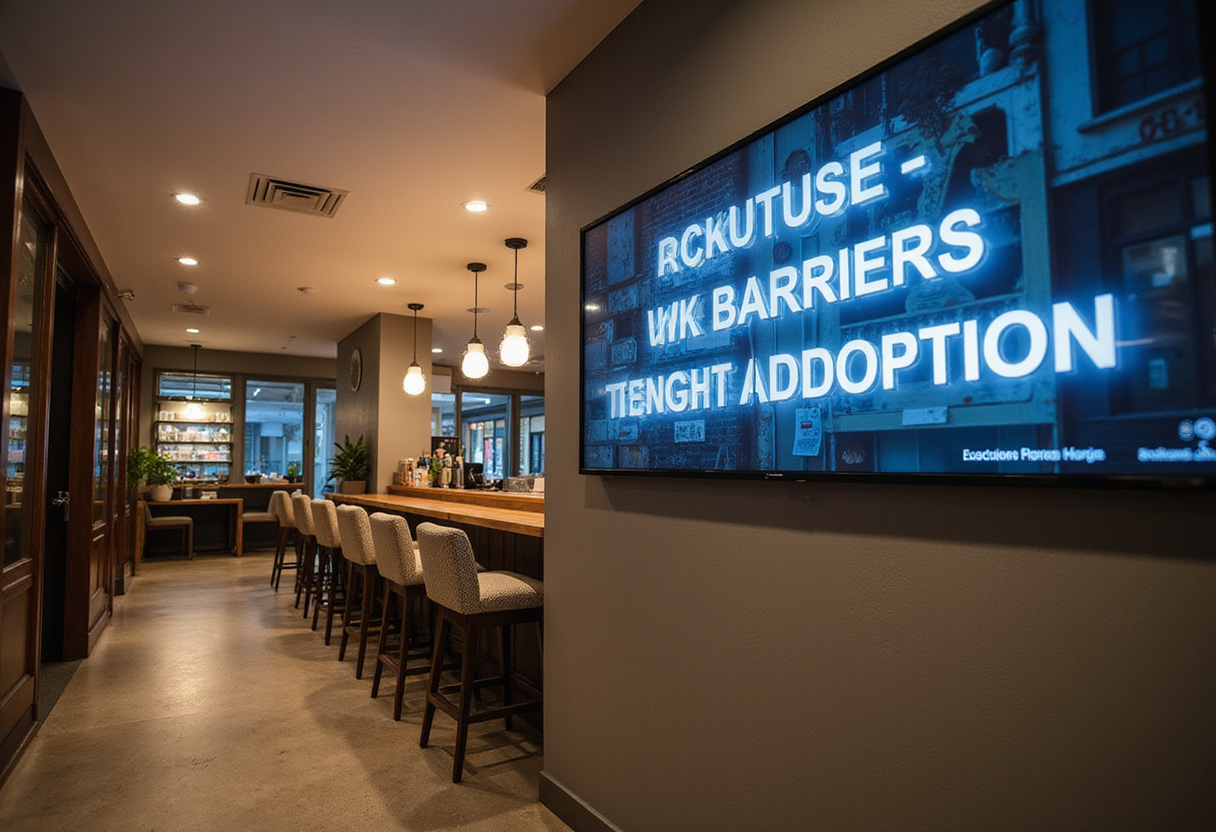
Statista published an analysis titled "Seven Barriers to Tech Adoption in European Hospitality," cataloguing the operational, financial and structural obstacles that hotel, restaurant and accommodation operators cite when scaling or deferring digital investment across the region.
What does the Statista analysis cover?
The data platform's piece organises the topic into seven distinct barriers, addressing factors European hospitality businesses report when rolling out property management systems, guest-facing applications, back-office automation and data analytics tools. Statista operates as a recurring sector monitor, publishing survey-driven and statistical coverage of accommodation and food services across European markets, and the seven-barrier framework fits its standard quantitative template for sector adoption studies.
Why does the timing matter for technology buyers?
The publication lands against a compliance calendar that directly shapes technology-buying cycles at hotel groups. European operators face a stack of regulatory deadlines that influence when and how they commission new systems:
- The EU AI Act entered phased application on 2 August 2024; obligations for high-risk systems apply from 2 August 2026, with general-purpose AI provisions already in force.
- The Digital Operational Resilience Act (DORA) applied from 17 January 2025 to in-scope financial entities, affecting payment and treasury infrastructure at hotel groups that fall within scope.
- Payment Services Directive 3 (PSD3) and the related Payment Services Regulation continue through the EU legislative pipeline, with adoption expected during the current parliamentary term.
- The NIS2 directive applied from 18 October 2024, expanding cybersecurity obligations on hotels classified as essential or important entities.
Each deadline raises the cost of operating legacy or non-compliant systems, sharpening the financial case for replacement and reinforcing the urgency of overcoming the barriers Statista identifies.
Where does the sector stand on adoption?
Hospitality remains one of the more fragmented sectors for technology adoption in Europe. Independent hotels and small chains still operate with thin IT budgets relative to large international operators, where centralised platforms dominate. Cloud-based property management, integrated revenue management and AI-driven pricing tools have gained ground, but penetration varies by market, segment and operator size.
Statista's framework of seven barriers sits within this wider picture. Adoption surveys across European markets typically surface recurring obstacles around upfront capital cost, integration with legacy property management systems, staff training and turnover, GDPR-aligned data privacy compliance, vendor fragmentation, uncertain ROI horizons and resistance to operational change at property level.
The implications cut across the operator base. Hotel groups with multi-country footprints face the highest integration burden, often running parallel systems across markets. Smaller operators, by contrast, encounter the steepest per-unit cost of acquiring enterprise-grade platforms and often default to fragmented stacks of point solutions.
What comes next?
The next industry reading will come from the wave of mid-2025 statutory filings and full-year disclosures across listed hotel groups, where digitalisation spending and AI deployment metrics become visible. Subscribers and analysts will watch Statista's follow-up coverage for survey breakdowns, market-level data and quantitative comparisons of the seven barriers named in the current piece. Implementation of the EU AI Act's high-risk provisions on 2 August 2026 will shape capital allocation decisions across the sector through the next 18 months.
via Google News: hospitality workforce Europe (Source)
More from Olivia Hart
Other tables tonight
- Nº 33Hotels race to meet EU and UK accessibility rulesFROctober 10, 2026
- Nº 09Direct Bookings Now Exceed 50% of European Hotel StaysDEOctober 10, 2026
- Nº 31Hotel Chains Hold Lead in European Accommodation, Statista 2026 Barometer FindsESOctober 10, 2026
- Nº 15EU moves to bind hotels to new sustainability compliance regimeNLOctober 10, 2026
- Nº 21EU AI Act Reshapes Hotel Marketing as Transparency Rules Take EffectITOctober 10, 2026