DENº 04Restaurants & Dining
One kerbside space, £146,000: thinktank makes the cheap case for street decluttering
A Create Streets report says one parking space brings £73,000 a year in shop spend, but nine shared e-bikes on the same 12 sq m generate £146,000 — and outdoor dining adds £120,000.
· 4 min at the table
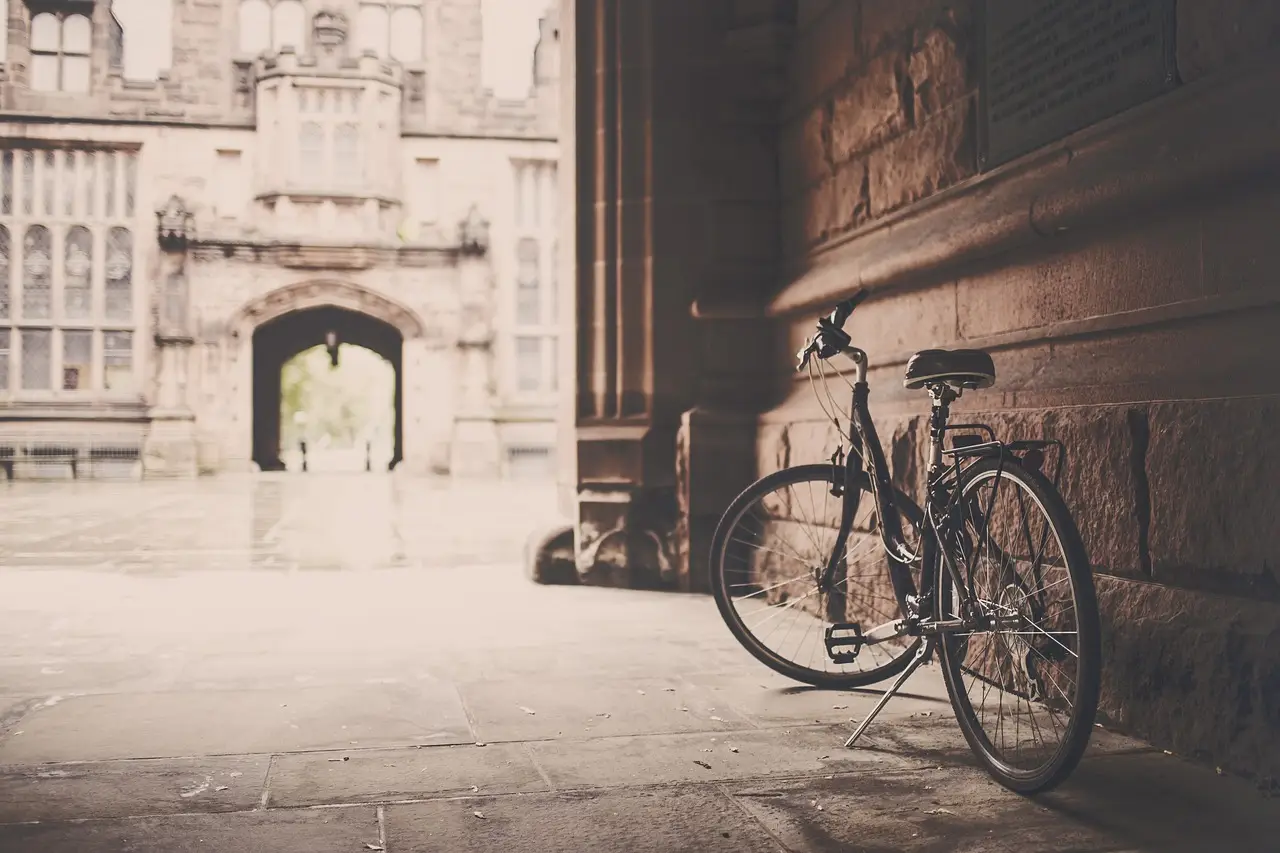
A single high street parking space in a market town carries about 3.5 vehicles a day and generates just over £73,000 a year in spending at nearby shops. The same 12 square metres, holding nine shared e-bikes, produces 13 trips a day and more than £146,000 a year in spend — double the return, even after accounting for lower average spend per person.
That is the central calculation in a new report led by the urban thinktank Create Streets, produced with Cyclehoop, the bike storage manufacturer. Its argument is aimed squarely at councils and operators weighing regeneration budgets: cheap kerbside changes can outperform multimillion-pound revamps.
What does the report actually propose?
The study calls for a cultural rethink built on low-cost interventions:
- Remove or tame motor traffic in town and city centres
- Rip out unnecessary street furniture, with "a presumption of removal where an item cannot be justified"
- Repurpose kerbside parking into bike docks or outside drinking and dining areas
- Prioritise permanence — trees in the ground, not plant pots
Urban centres are too often "designed to be driven through, not for time to be spent in," the report says, blaming planning regulations that favour conformity and treat speeding cars as a given to which everything else must adjust.
"The default high street is engineered for traffic and furnished from a catalogue: a tarmac pavement, guardrails penning people at the kerb, litter bins ordered from a procurement catalogue, a row of plastic planters — public investment that is joyless," it states.
Why should hospitality operators care?
The economics of kerbside conversion bear directly on pubs, cafes and restaurants trading on high streets. In a busier city, where share bikes get heavier use, the estimated annual spend from a converted space rises above £300,000. Outdoor dining delivers smaller but material gains: roughly £120,000 in extra annual spending per city-centre space.
Planners have historically measured town centre health through car access. The report's numbers challenge that assumption directly. For operators, the implication is that pavement licences and kerbside dining schemes are not cosmetic add-ons but measurable revenue infrastructure.
The report also names a policy obstacle: Secured by Design, the guidelines on cutting neighbourhood crime, which critics say can lead to benches and plants being removed on police advice, supposedly to discourage antisocial behaviour. It calls this "the absurdity of modern public realm management."
What is the evidence it works?
The report points to Altrincham in Cheshire, where a walkable, car-free urban area helped cut retail vacancies from over 30% to 7% in less than a decade. That is a fall of more than three-quarters in the empty-shop rate.
Costs can be minimal. An unused patch of land next to a church in Grimsby became a park for less than £20,000 — a rounding error against most regeneration budgets.
It also flags removing pedestrian guardrails beside roads as "the most cost-effective upgrade for the majority of high streets," calling them an eyesore with minimal safety benefits. Family use is the test: "the indicator species of a healthy high street," measured by "the wrist test" — whether it feels safe to let go of a young child's wrist so they can roam freely.
How does this fit government policy?
Andy Burnham has pledged to reverse high street decline, announcing a £210m regeneration fund in September. But the bulk of that money targets buildings: converting old shops into shared workspaces or community cafes, or keeping pubs and clubs in business.
The report's counter-argument is blunt. Renovating buildings is pointless if the street outside is unappealing.
"Streets that are ugly are not so because councils lack the desire to change them, but because the system is counting the maintenance liabilities, not the benefits," said David Milner of Create Streets. "What works is cheap: trees in the ground, benches people want to sit on, clutter taken away."
He added: "So much of what is built now seems to be temporary, looking more like road works than public realm improvements, so we encourage the concept of permanence; more trees in the ground, not in giant plant pots, for example."
What happens next?
Councils deciding how to allocate the £210m fund will face a choice between capital projects and street-level interventions. Expect Create Streets and Cyclehoop to press transport authorities on kerbside trials; operators with pavement licences should watch local cycling and dining conversion schemes, where the spending evidence now sits in print.
via theguardian.com (Source)
More from Priya Raman
Show full bio
Staff writer covering companies, deals and strategy in European hospitality industry at Eurotables Report.
139 articles
Other tables tonight
- Nº 48Investors Buy Efficiency, Not the Green PremiumITOctober 14, 2026
- Nº 44Financial Times: holiday rentals are winning Europe's city centresITOctober 10, 2026
- Nº 19UK cuts glass EPR fees up to 40% and ends pub double chargingFRNovember 12, 2026
- Nº 47Cornwall Could Land Its 13th McDonald's in A39 Service Station PlanDENovember 8, 2026
- Nº 46MCR Pays GBP3 Million for Holland Park Hostel to Launch LOOP LondonFROctober 26, 2026