FRNº 16EU Policy & Regulation
Ireland to Cut Hospitality VAT to 9% from 1 July 2026
Ireland's hospitality VAT rate drops from 13.5% to 9% on 1 July 2026, according to a Vatcalc calendar entry, giving hoteliers, pubs and restaurants twelve months to reconfigure pricing ahead of the peak season.
· 3 min at the table
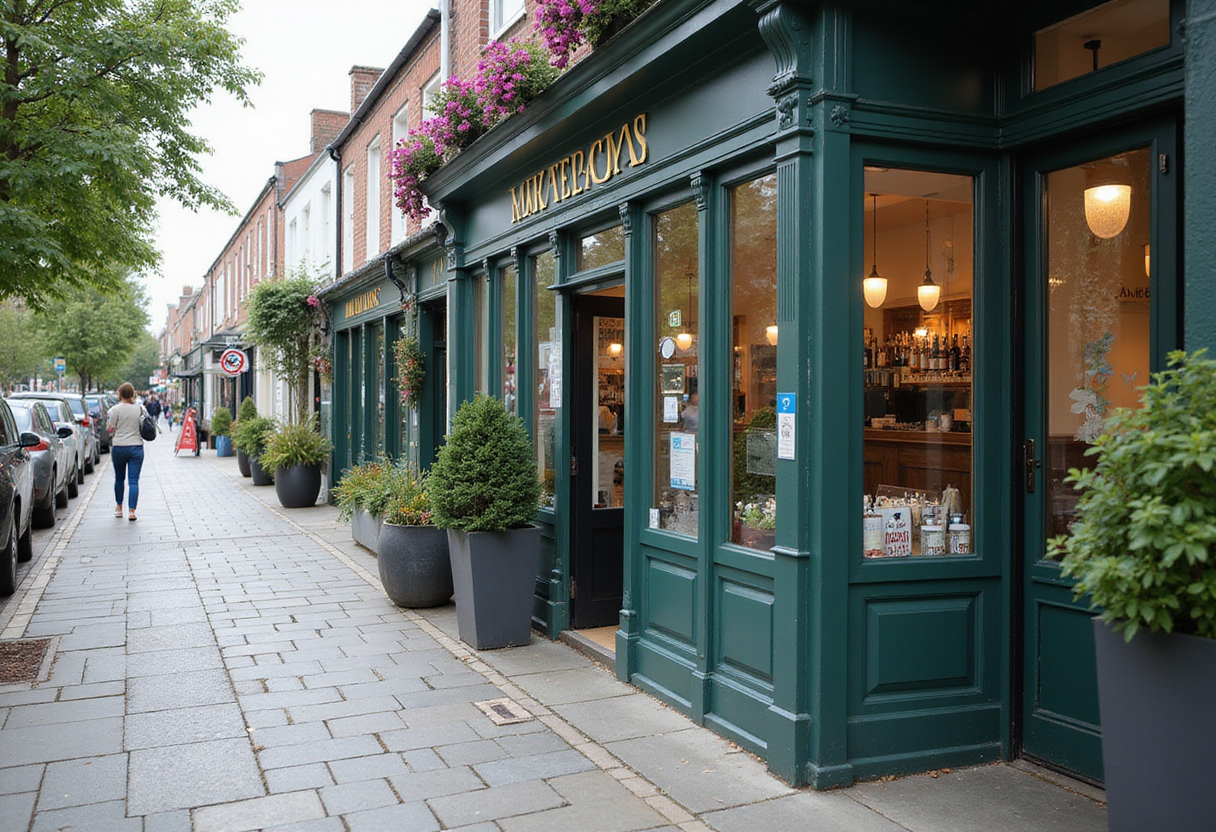
Ireland's hospitality sector will move to a 9% VAT rate from 1 July 2026, according to a calendar entry published by Vatcalc.
The headline figure confirms a scheduled rate change for the Republic of Ireland's accommodation, food and tourism-related services. The mid-summer effective date falls ahead of the peak tourism window, giving operators roughly twelve months to update systems.
What does the announcement actually state?
Vatcalc's calendar lists the cut at exactly 9%, applying across the hospitality sector. The 1 July 2026 start date points to a forward-scheduled legislative step rather than an immediate budget revision. The current Irish hospitality rate stands at 13.5%, making the 4.5 percentage-point reduction material to operating economics.
The standard 9% reduced rate already applies to certain tourism activities in Ireland, including cinema and theatre admissions, certain sporting facilities, traditional hotel lettings, and restaurant supplies consumed on the premises. Bringing the wider hospitality basket into the 9% band extends that treatment across food service, accommodation and ancillary tourism services.
What does a 9% rate mean for operators?
For hoteliers, pub operators and restaurant groups, the cut reduces VAT collected from 13.5% to 9%. On a €100 inclusive bill, VAT collected drops from €11.85 to €8.26. The €3.59 per-transaction differential compounds across occupancy, cover counts and average spend.
Operators face a clear strategic choice: absorb the cut into headline pricing to gain share in a competitive Dublin, Cork and Galway market, or retain the margin to fund refurbishment programmes and wage pressure. Both paths improve competitiveness versus UK and EU peers operating under higher indirect tax burdens.
Ireland's tourism and hospitality bodies have lobbied successive governments for a reduced rate for over a decade. Aligning hospitality with the existing 9% tourism band removes the two-tier VAT structure that complicated invoicing for mixed-use operators running rooms, restaurants and events.
Where will the cut be felt most?
Dublin hoteliers carry the highest absolute benefit. Rooms revenue at average daily rates of €180–€220 means the VAT saving per occupied night reaches €6.40–€7.80 before any pricing adjustment. Regional operators in Kerry, Galway and the Wild Atlantic Way corridor benefit on volume during the peak June–September window.
Pub and restaurant groups see a smaller per-cover headline figure but a wider transaction base. A typical €45 main-and-drink cover saves the operator around €1.61 in VAT per guest. Across 300 covers a day, that approaches €175,000 annually for a high-volume site.
What remains unconfirmed?
The Vatcalc entry does not specify the legislative vehicle, parliamentary timetable or budget statement that enacted the change. Operators should verify precise scope with Revenue before repricing menus, rate cards and conference packages.
Affected categories, transitional rules for forward bookings, and the treatment of package holidays, conferences and venue hire will require confirmation through official Revenue guidance. The treatment of off-premises food sales, currently at 0% or 4.8% depending on category, is a separate question unaffected by this announcement.
When does implementation begin?
The 1 July 2026 effective date gives the sector a full year to update point-of-sale systems, reissue menus and renegotiate rate-sensitive supplier contracts. Booking engines holding summer 2026 reservations must clarify which rate applies to stays straddling the cutover date.
VAT reporting software, revenue management systems and rate parity agreements all require updating by Q2 2026. Operators should expect further filings, including updated Revenue guidance and parliamentary records, ahead of implementation. Watch for departmental statements in the run-up to the summer 2026 budget cycle.
via Google News: EU VAT restaurants (Source)
More from Grace Kim
Show full bio
Market editor covering consumer brands and retail at Eurotables Report.
69 articles
Other tables tonight
- Nº 44Irish minister warns VAT cuts may not reach consumersITOctober 10, 2026
- Nº 28Germany VAT 2026 Update: Hospitality Operators Face Revised Rate FrameworkESOctober 10, 2026
- Nº 29Irish takeaway prices to rise despite July VAT cut, RTE analysis warnsITOctober 10, 2026
- Nº 26UK 20% Hotel and Restaurant VAT Anchors European Rate ReviewDEOctober 10, 2026
- Nº 32UK government responds to hospitality VAT cut lobbyingESOctober 10, 2026