ESNº 42Food & Beverage Trade
Heriot-Watt Study: Stronger Whisky Wash Could Cut Distillery Emissions 16%
Heriot-Watt researchers model a 16% emissions cut and 55% less pot ale by raising wash strength from 8% to 10-14% abv — but flavour effects remain unstudied.
· 2 min at the table
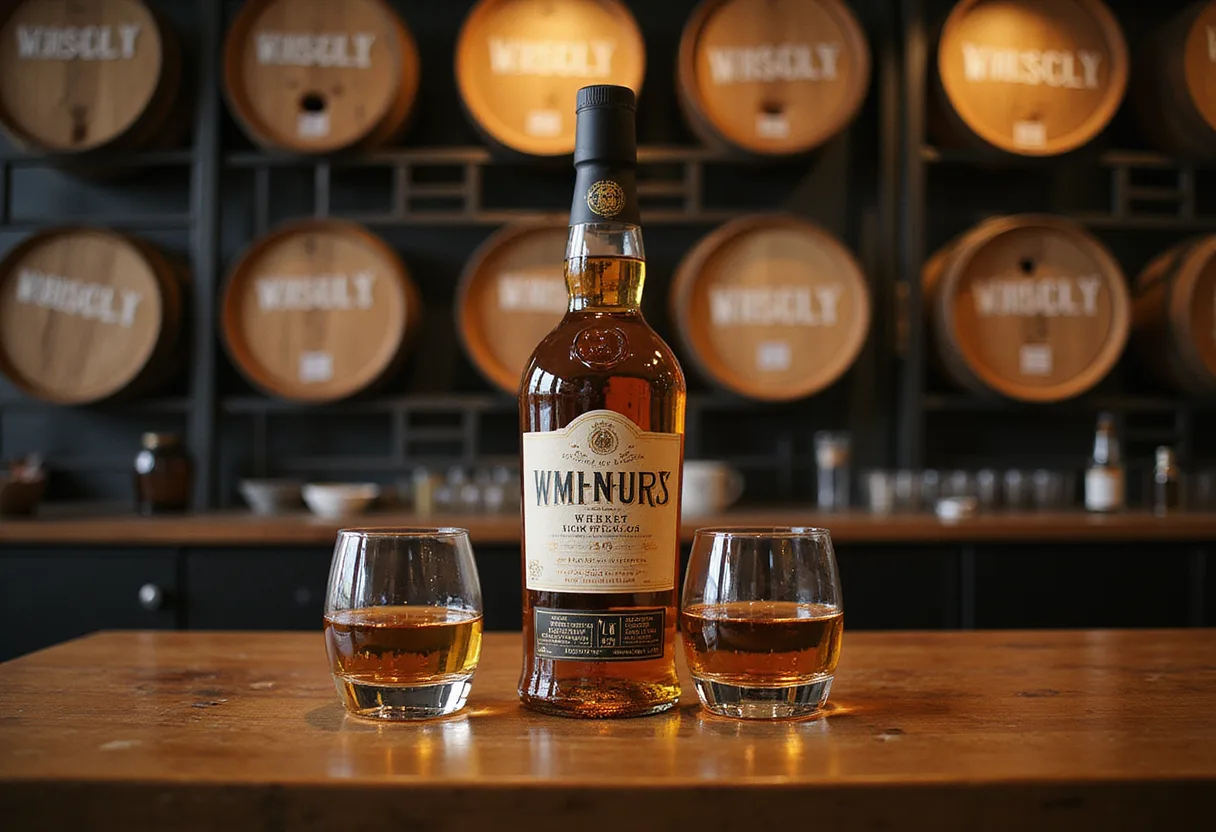
Scotch malt whisky distilleries could cut emissions by up to 16% per litre of pure alcohol simply by fermenting a stronger wash, according to new research from Heriot-Watt University's International Centre for Brewing and Distilling.
The study, led by assistant professor Dr Shiwen Zhuang with assistant professor Dr Jane White and Professor Chris Boulton, modelled the effect of raising wash strength from the conventional 8% abv to between 10% and 14% abv. The model, the university said, "reflects real-world fermentation and traditional two-pot distillation".
The numbers are concrete. Beyond the 16% emissions reduction per litre of pure alcohol produced, stronger wash would curb pot ale volumes — the liquid left in the wash still after first distillation — by 55%. Spent lees, the residue after the second distillation, would fall by more than 30%.
What does this change for operators?
For existing distilleries, the answer is capacity without capital. Zhuang said the benefits "could be achieved in different ways": existing sites "may be able to increase output without expanding fermentation capacity", while new or growing distilleries "could produce the same amount of whisky using smaller equipment and lower processing volumes".
Co-author White pointed to the cost side. The study "also identified potential economic benefits", she said. "Lower volumes of pot ale and spent lees could reduce handling, transport and treatment costs, while maintaining the concentration of valuable materials that could be recovered and reused from these residues."
That last clause matters. Pot ale and spent lees are not pure waste; processors recover protein and other materials from them. The study claims concentration of those recoverables holds even as volumes fall — a claim that will need plant-level verification before anyone banks the savings.
What the study does not say
The authors concede real obstacles. Producing higher levels of fermentable sugars "may require new approaches to mashing", the university noted, while the effects on yeast performance, flavour development and the wider production process "need further study".
Flavour is the unresolved question. Scotch malt whisky sells on character protected by law; a 16% emissions saving means little if the spirit profile shifts. The modelling covers fermentation and distillation mechanics, not sensory outcomes.
The economics are also untested outside the model. Handling, transport and treatment cost reductions are projections, not audited results from a working distillery.
Zhuang framed the finding as "the potential environmental and operational benefits of stronger wash" — potential being the operative word. No distillery has committed to trialling the approach, and no implementation timeline exists.
What happens next
Expect peer review publication and follow-up work on yeast performance, mashing modifications and flavour impact before any operator moves. Distilleries with sustainability targets tied to net-zero deadlines will watch those trials closely; a fermentation tweak that cuts emissions 16% without new stills is cheaper than almost any alternative on the table.
via commons.wikimedia.org (Original)
More from Grace Kim
Show full bio
Market editor covering companies, deals and strategy in European hospitality industry at Eurotables Report.
90 articles
Other tables tonight
- Nº 43Irish Whiskey: US Tariff Removal Restores €450 Million Export TradeNLOctober 10, 2026
- Nº 02Heaven Hill Sells Irish Mist to Dublin's Old Canal Quay SpiritsDEOctober 10, 2026
- Nº 06One Quarter Of Ireland's Pubs Closed Since 2005: DIGI ReportFROctober 10, 2026
- Nº 39Modal Wines launches Nuvo Nivo range with majority under £20NLOctober 10, 2026
- Nº 42Germany sets restaurant food VAT at 7%, retaining pandemic-era rateNLOctober 10, 2026