FRNº 43EU Policy & Regulation
Germany's 'Bratwurst Tax' Puts Volunteer Fire Brigades in VAT Firing Line
Section 2b of Germany's VAT Act takes effect on 1 January, making municipalities liable for VAT on commercial activity — including volunteer fire brigades' bratwurst sales at festivals.
· 3 min at the table
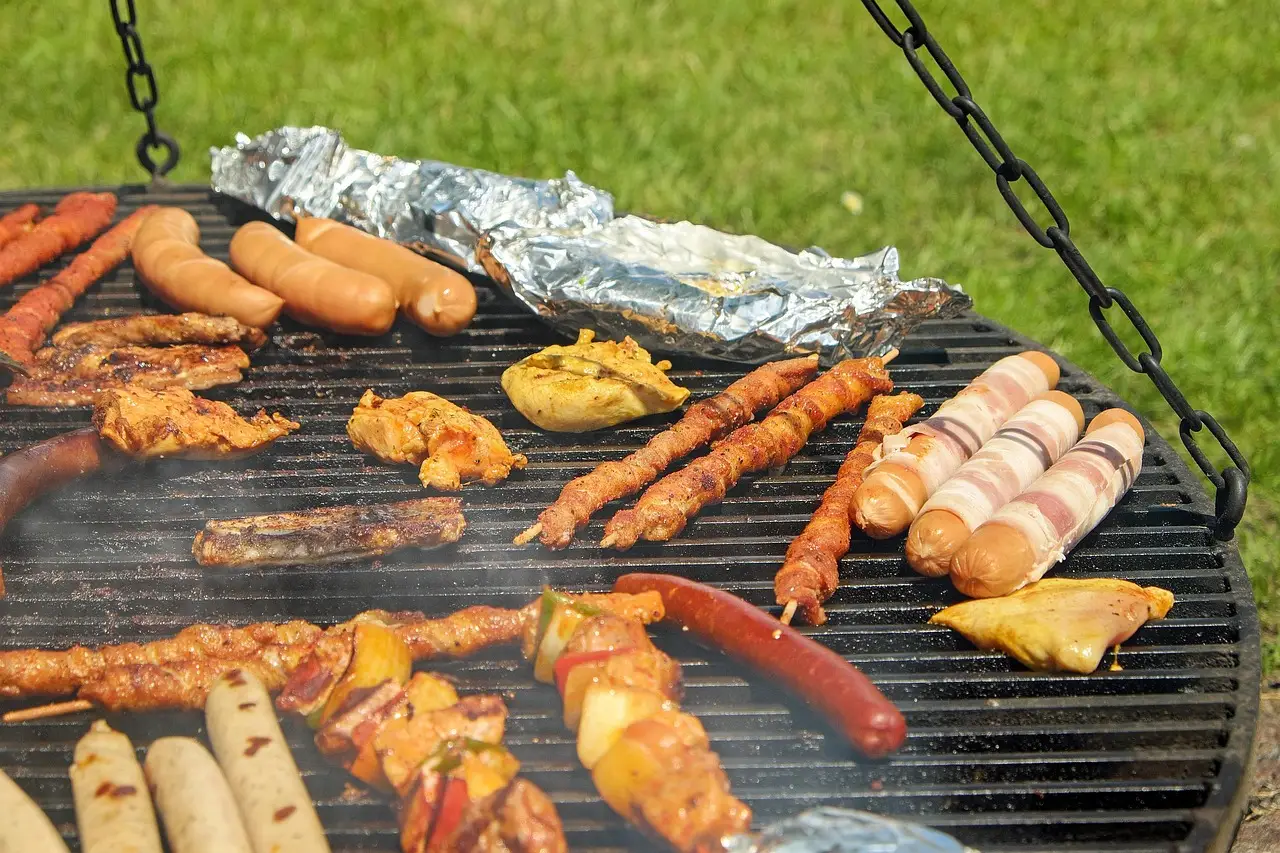
Germany's volunteer fire brigades face VAT bills on bratwurst sales from 1 January, when section 2b of the country's VAT Act finally takes effect after repeated delays. The provision makes public bodies such as municipalities and towns generally liable for VAT on their commercial activities.
The change reaches deep into local event economics. If a volunteer fire brigade operates as part of a municipality rather than as an independent association, VAT falls due on sales at village festivals and similar community gatherings. Food sold at snack bars or in restaurants attracts a reduced 7% rate in force since 1 January 2026, but affected sellers must also keep detailed records of sales and issue receipts — a compliance burden that volunteer organisations rarely have the administrative capacity to absorb.
Who is pushing back?
In the Schleswig-Holstein state parliament, the CDU, Greens and FDP jointly demand that Berlin suspend the rules or carve out additional exemptions. "If the bratwurst at the Easter bonfire becomes a case for the tax office, something has gone seriously wrong," Christopher Vogt, chair of the FDP parliamentary group, told NDR. Vogt urged the state government in Kiel to "urgently provide support for local volunteers."
One state has already acted. North Rhine-Westphalia's finance minister, Marcus Optendrenk, issued a decree clarifying that bratwurst sales by volunteer fire brigades remain exempt from VAT. "Anyone who volunteers with the local fire brigade deserves a tailwind rather than paperwork," Optendrenk said.
Satirical criticism is spreading on the municipal affairs website Kommunal.de, where Christian Erhardt-Maciejewski published a piece titled "Hurrah, the tax office is grilling the fire brigade." He predicted the practical response: "The most resourceful brigades will set up a support association so that they can carry on selling sausages. The fire brigade festival becomes an association festival, the grill master turns into a treasurer, mustard becomes a question for the statutes. A whole new form of volunteering is born in Germany: finding ways to dodge the tax authorities."
What does the ruling change for operators?
For hospitality businesses across Germany, the mechanics matter more than the sausage. The affected sales already fall under the 7% reduced rate that applies to food at snack bars and restaurants, so the fiscal exposure per transaction is modest. The real cost sits in administration: detailed sales records and mandatory receipts for volunteer stands that previously operated entirely outside the tax system.
There is also a competitive distortion. Independent associations — the structure most brigades can adopt — escape the liability, while municipality-integrated units do not. Restructuring into support associations, as Erhardt-Maciejewski forecasts, becomes the rational move, shifting the same sales outside municipal VAT scope entirely.
State-level divergence is now the variable to watch. North Rhine-Westphalia has set an exemption precedent with the Optendrenk decree; Schleswig-Holstein's three-party parliamentary initiative signals broader political pressure. With the 1 January start date fixed and section 2b already delayed several times, the next moves land either in state finance ministries' decrees or in a federal amendment adding volunteer-sector exemptions.
via euronews.com (Source)
More from Elena Vasquez
Show full bio
News editor covering regulation, policy and their impact on European hospitality industry at Eurotables Report.
155 articles
Other tables tonight
- Nº 47German 21% VAT plan would wipe out labor tax cut fundingFROctober 10, 2026
- Nº 28Germany VAT 2026 Update: Hospitality Operators Face Revised Rate FrameworkITOctober 10, 2026
- Nº 42Germany sets restaurant food VAT at 7%, retaining pandemic-era rateNLOctober 10, 2026
- Nº 34Germany Reinstates 7% Hospitality VAT Rate from January 2026ITOctober 10, 2026
- Nº 18Pub operators back VAT cut call as business rates 'crucify' tradeESOctober 10, 2026